For years, many industrial HVAC systems continued operating with traditional AC belt-driven fans simply because:“The system was still running.”But in reality, “running” does not mean “efficient”.
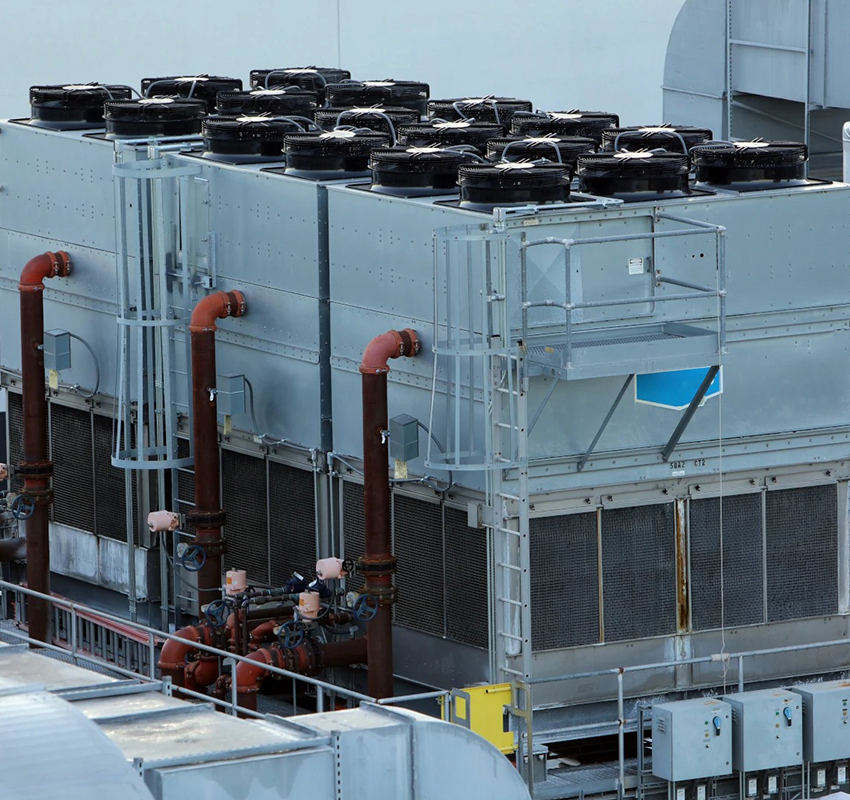
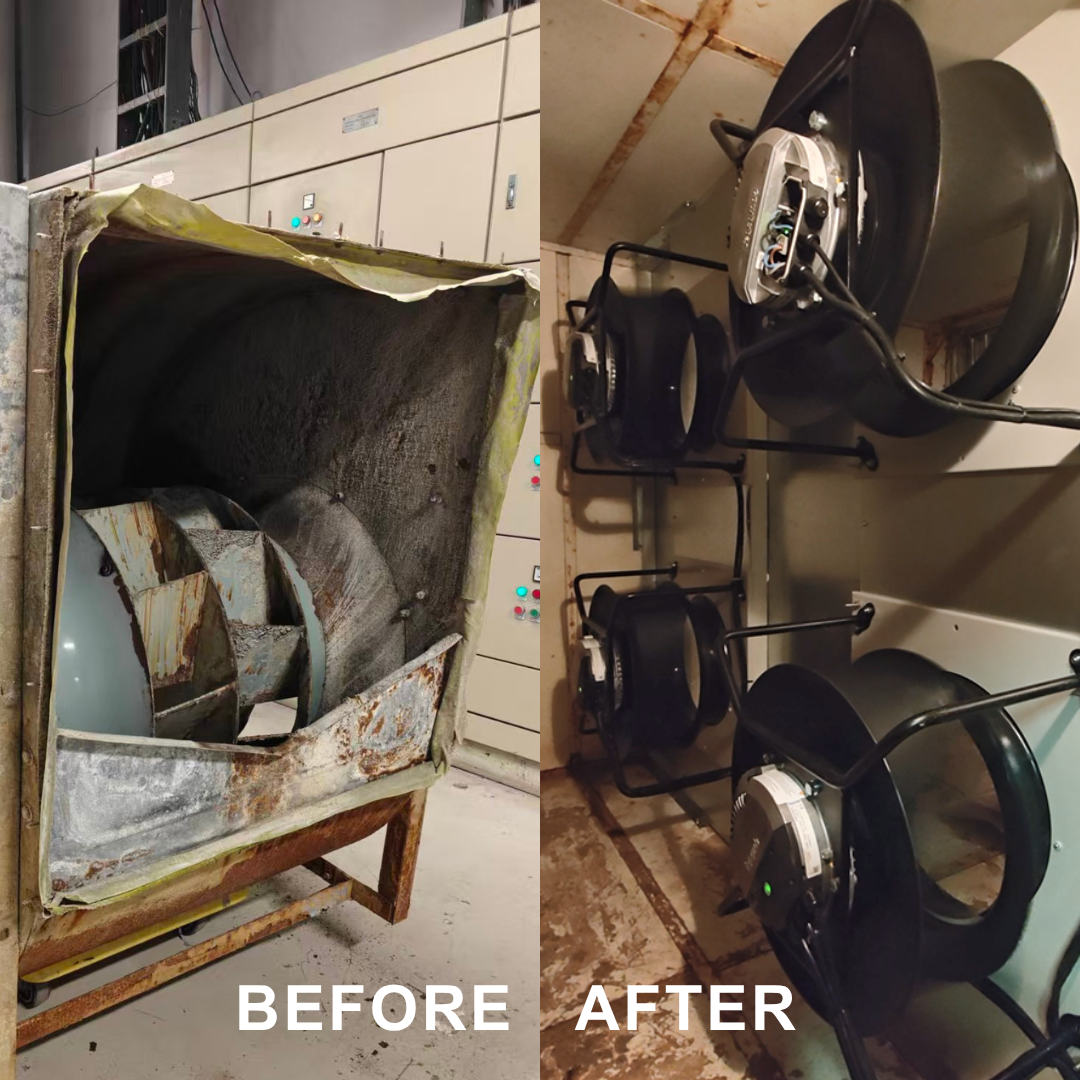
Recently, Beijing Hengrui completed a multi-unit AHU retrofit project for a large electronics manufacturing facility. The goal was not to replace the entire HVAC infrastructure — but to solve a growing operational problem:
Increasing energy consumption, aging fan systems, rising maintenance frequency, and unstable airflow performance under long-term operation.
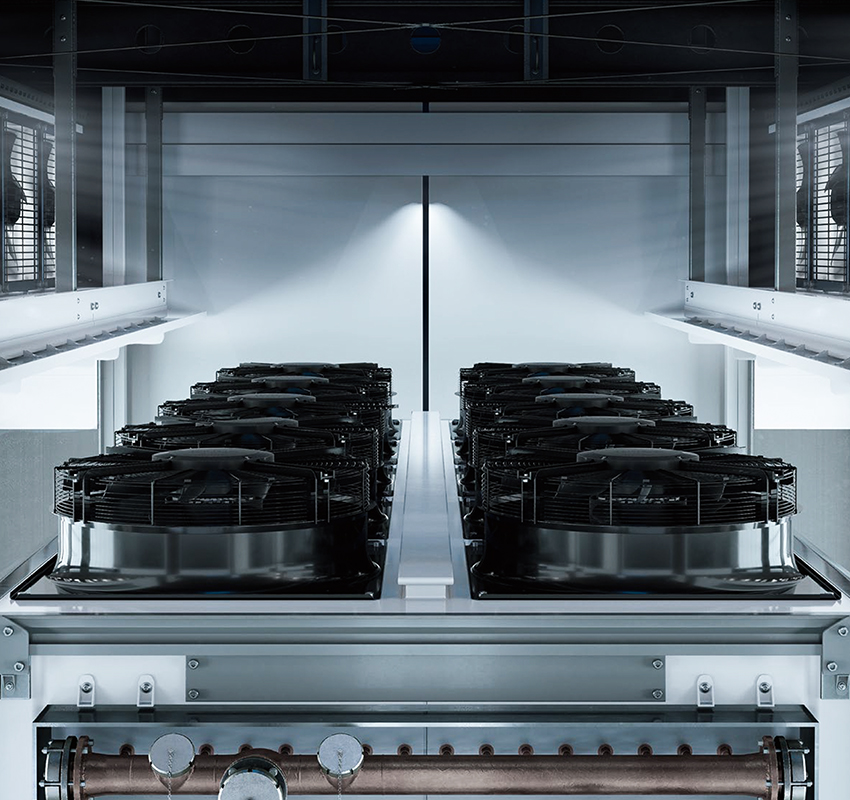
Instead of adopting a costly “rip-and-replace” strategy, the project focused on upgrading the existing AHUs with EC Fan Wall systems based on ebm-papst EC technology.
The challenge was significant.The original systems covered multiple airflow and pressure ranges:
· 7,110 m³/h to 50,000 m³/h airflow
· Static pressure up to 1,404 Pa
· Legacy AC fan systems with power ratings from 5.5 kW to 37 kW
The retrofit strategy focused on maintaining the original operating points while significantly reducing power consumption through EC direct-drive technology.
And the results were substantial.

Several AHU units achieved energy savings above 50% after retrofit:
· One 50,000 m³/h AHU reduced operating power from 37 kW to 14.7 kW — a 60% energy reduction.
· Another 16,000 m³/h unit reduced power consumption from 11 kW to 3.4 kW, achieving nearly 69% energy savings.
· Even under high static pressure conditions above 1,300 Pa, the EC Fan Wall systems still achieved around 31–33% energy reduction while maintaining the original airflow targets.
But the most important improvement was not only energy efficiency.
It was operational stability.
Compared with traditional belt-driven systems, EC Fan Wall retrofits significantly reduced:
· Mechanical transmission loss
· Belt maintenance requirements
· Airflow fluctuation
· And long-term reliability risks caused by aging mechanical components
At the same time, the modular Fan Wall structure improved redundancy and simplified future maintenance planning — an increasingly important factor for facilities operating continuously under demanding production environments.
This is why more facility operators are beginning to rethink HVAC retrofits.The question is no longer:“Can the old system still run?”The real question is:“How much hidden operating cost is the current system creating every year?”
At Beijing Hengrui, we support AHU retrofit, EC fan replacement, and Fan Wall upgrade projects across industrial HVAC and ventilation applications.Today, HVAC efficiency is no longer only about energy savings — it is also about system reliability, controllability, and long-term operating performance.As more facilities face aging AC fan systems, airflow instability, and rising maintenance costs, EC upgrades are becoming an increasingly practical solution for modern ventilation systems.
Feel free to connect if you are evaluating fan retrofit projects or exploring more efficient airflow solutions for your HVAC systems.
The following is a display of related products

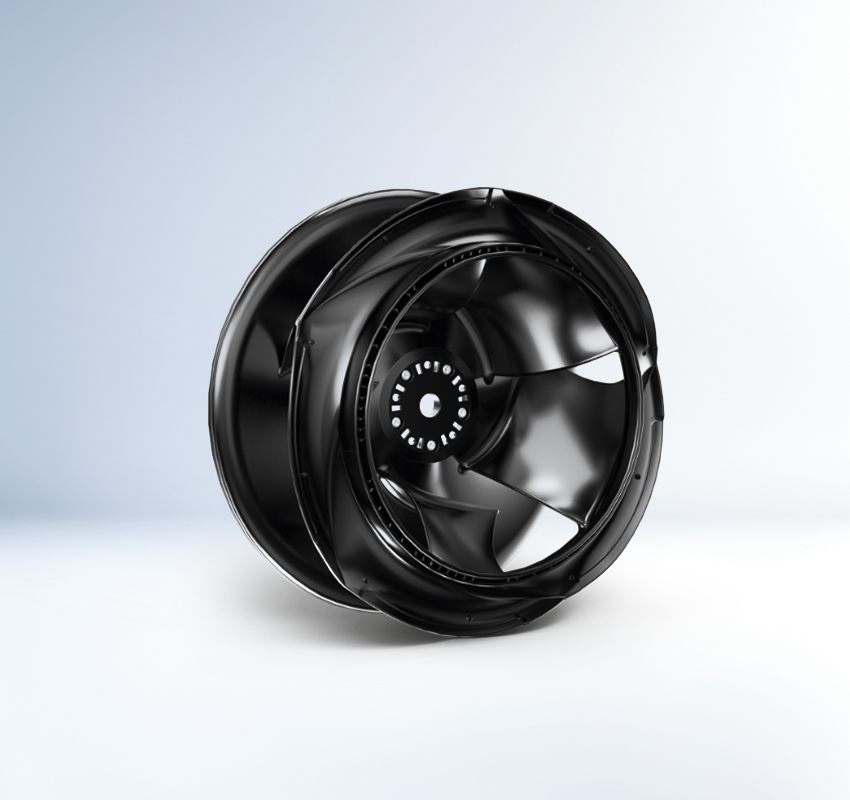
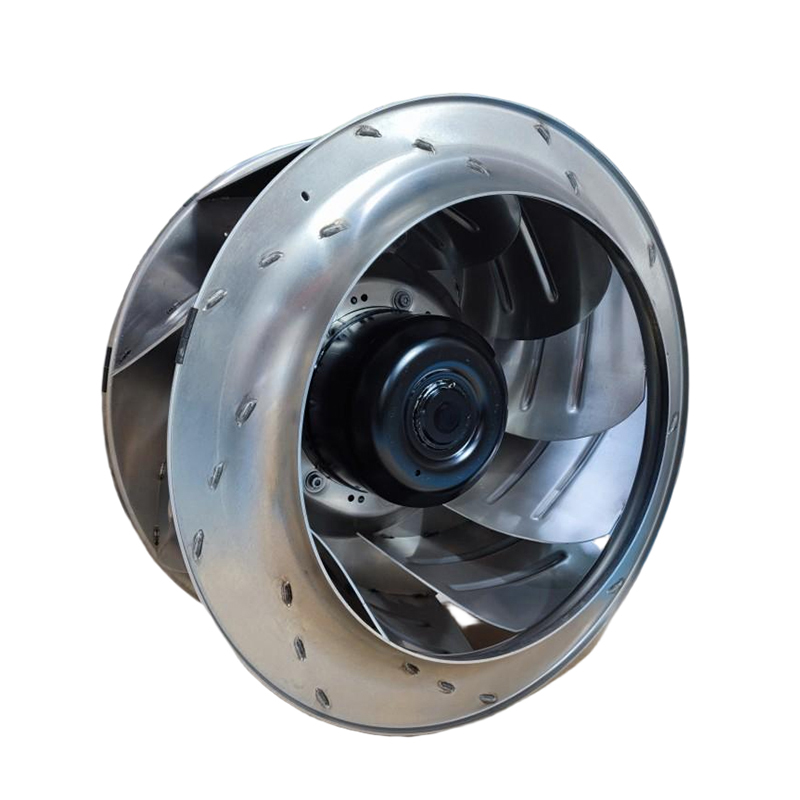
The ebm-papst R3G630-PC08-03 is a high-performance EC centrifugal fanfrom the renowned RadiPac series, engineered specifically formission-critical data center cooling applications.

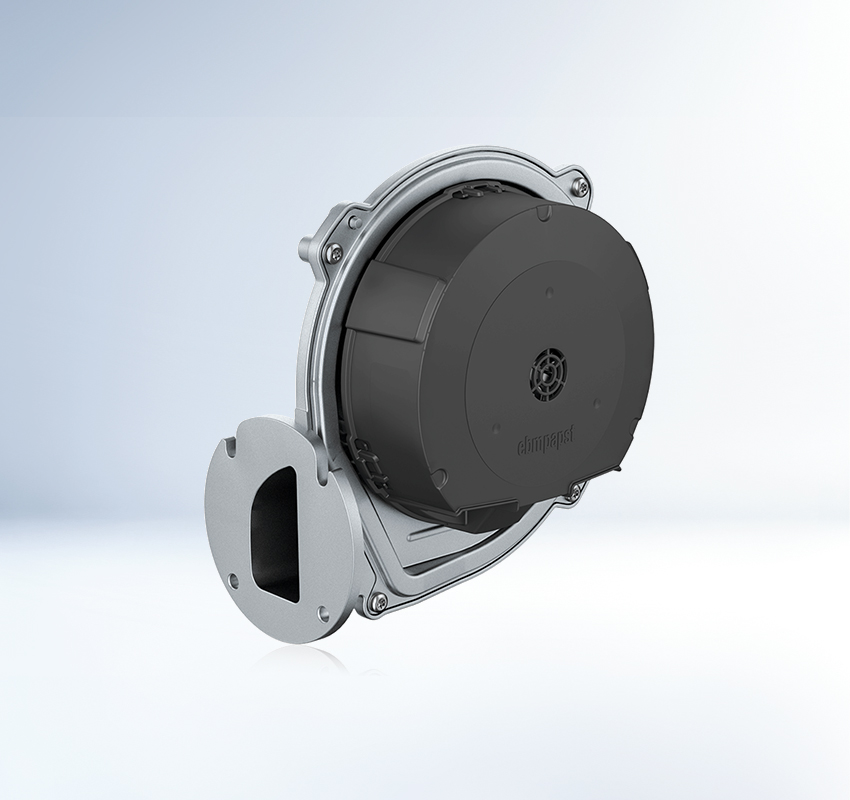
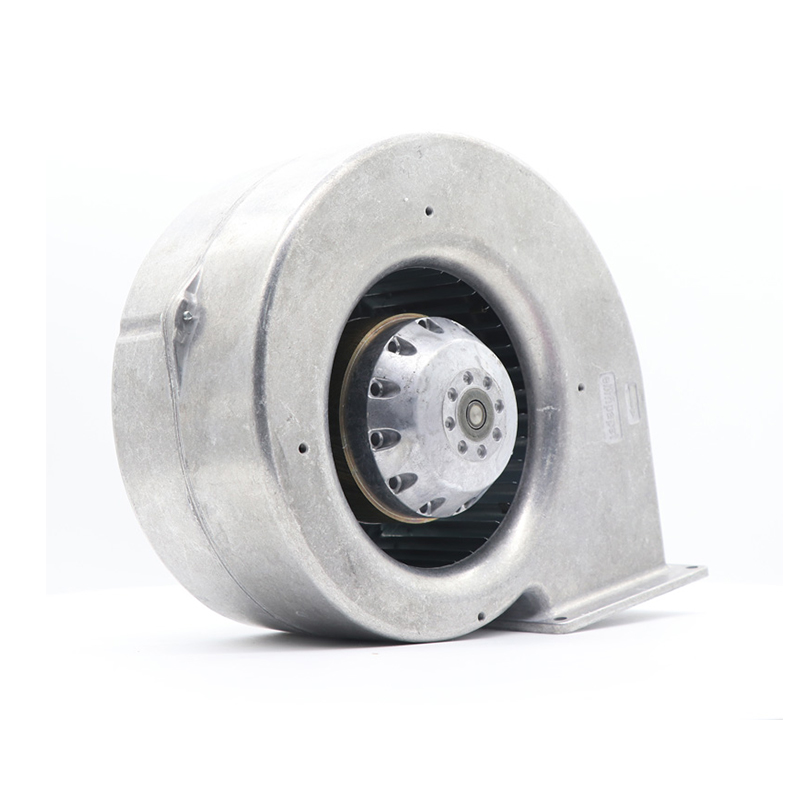
A 480 V AC centrifugal blower for hvac, G2D160-AF28-38 has a clearly defined selection profile. Among the supplied ratings, a 365 W input rating with 750 Pa pressure clearly differentiates this variant.

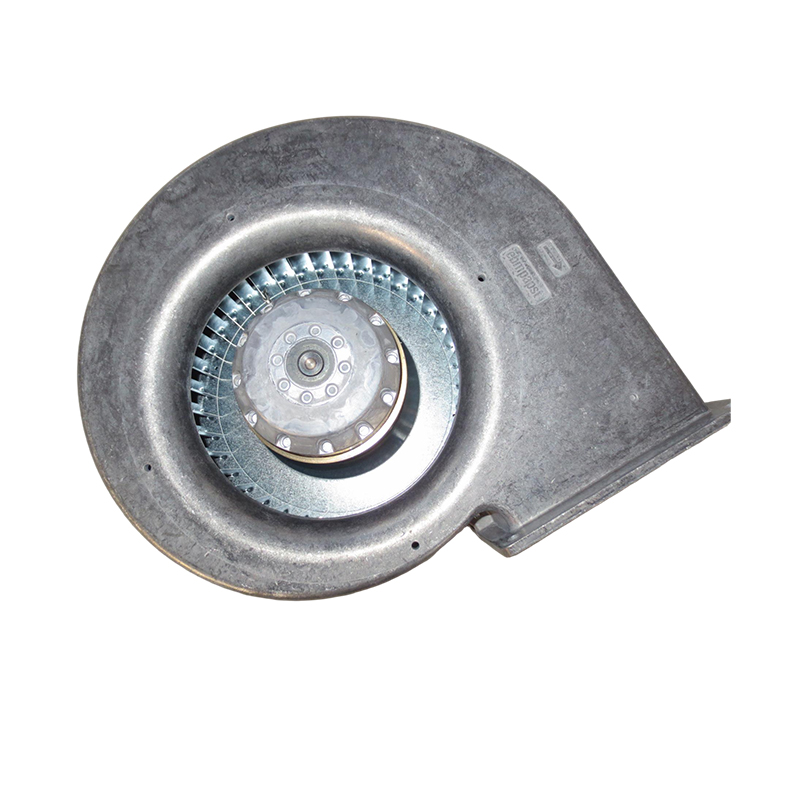
Targeting hvac, G2D180-AE02-01 pairs 400 V operation with a AC centrifugal blower layout. 2,850 rpm operation with a 385 W input rating is its clearest differentiator in the supplied data.

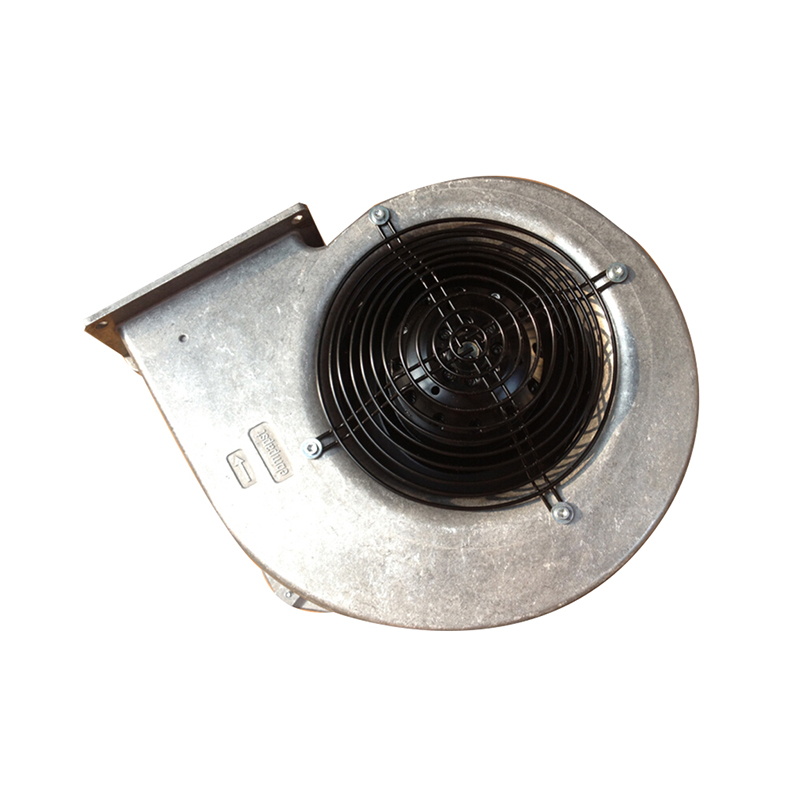
In hvac, G2D180-AE02-26 serves as a 400 V AC centrifugal blower. The supplied specifications highlight IP44 protection with 2,850 rpm operation. It supports exact-model comparison for OEM sourcing and replacement work.
I agree to receive marketing emails from Hengrui. I understand that I can unsubscribe at any time. Please see our Privacy Policy.