Get Quote
Home > DC Compact Centrifugal

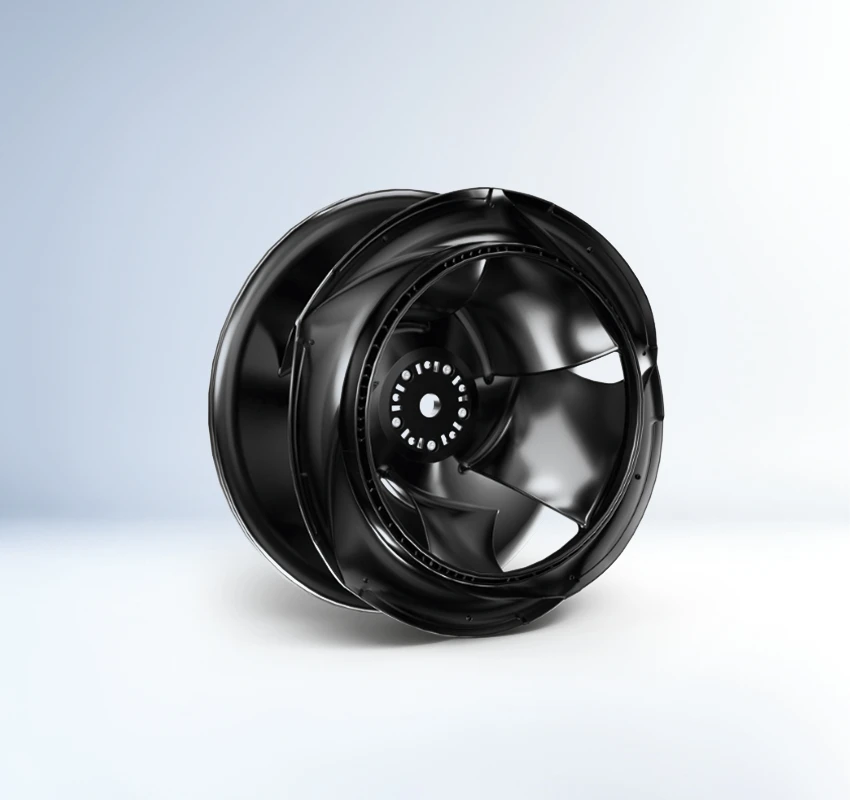
DC Compact Centrifugal

By type

By industry

Rated Voltage(V)

Size(mm)

Max.Air Flow(m³/h)

Max.Pressure(Pa)

Input Power(W)

Speed(rpm)

Noise(db)

Stocking Options

Environmental Options

Media

Exclude

1 results

Applied Filters

Showing
1-1
1-1
of 1
Download Table
Mfr Part # Rated Voltage(V) Size(mm) Max.Air Flow(m³/h) Max.Pressure(Pa) Input Power(W) Speed(rpm) Noise(db)
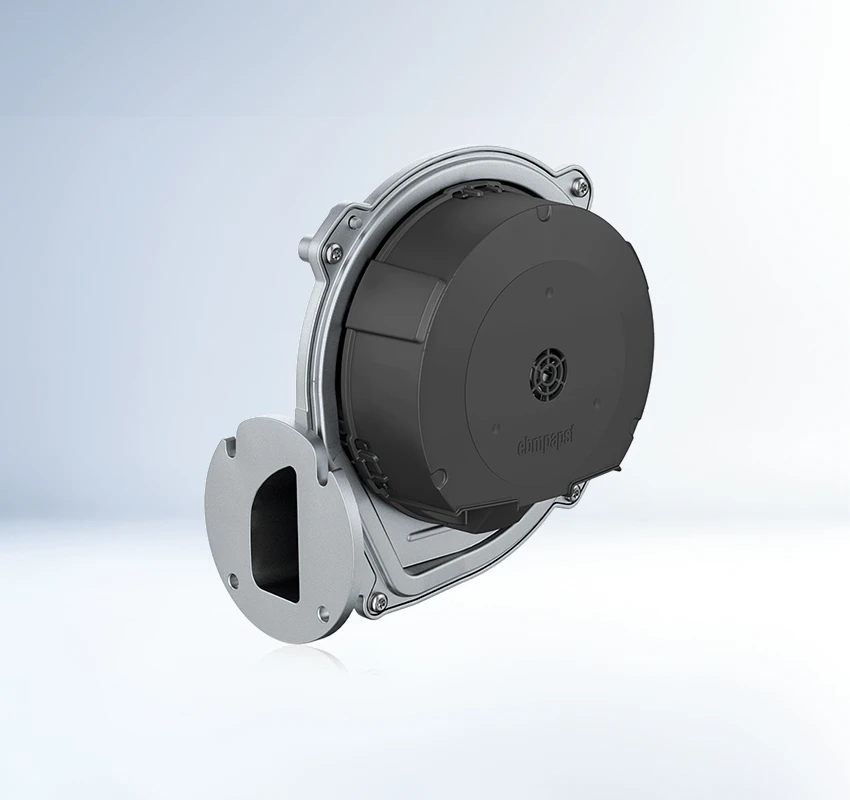
AB05012DX200300(0APXL1) | ebm-papst 12VDC 0.96W DC Centrifugal Blower for data center cooling

AB05012DX200300(0APXL1) is a 12 VDC centrifugal fan for servers, medical equipment, laboratory equipment. Its main supplied feature is 2.72 m³/h maximum airflow stated for this model. It also lists a 50*50*20 mm size specified in the upload data. Review airflow path for installation planning.

12 50*50*20 2.72 - 0.96 3700 25.6
Showing
1-1
1-1
of 1

About DC Compact Centrifugal

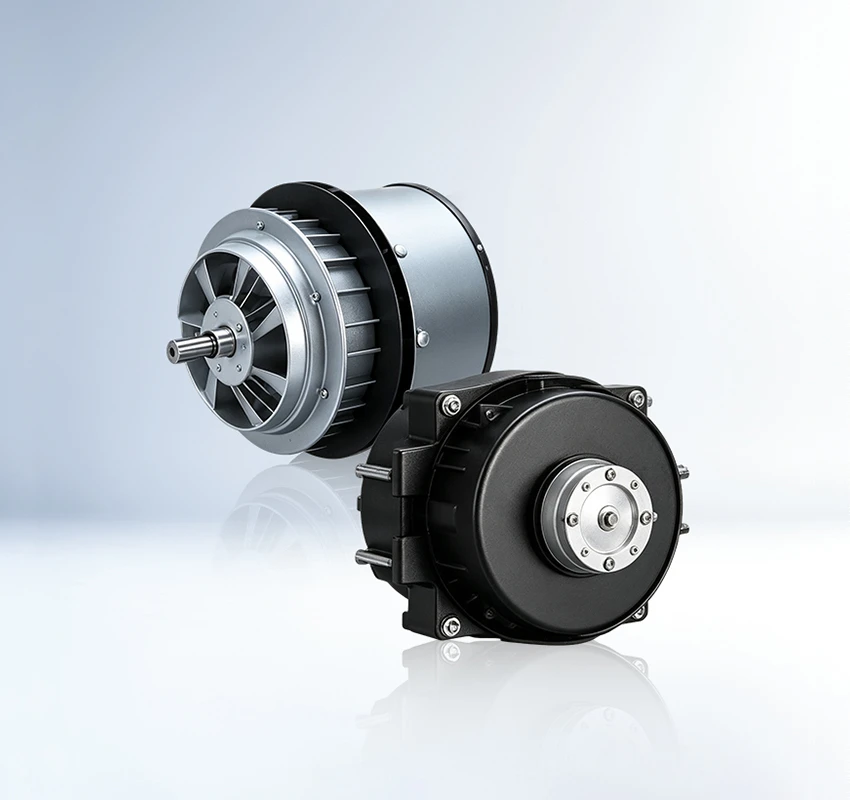
Compact DC centrifugal fans (also called miniature DC blowers) provide significantly higher static pressure than similarly-sized DC axial fans, making them the preferred choice for applications requiring air to flow through narrow channels, across heat sinks, or into constrained spaces. Frame sizes typically range from 30mm to 90mm in diameter, with impellers designed to deliver compressed airflow on 5V, 12V, or 24V DC power. Compact DC centrifugal fans are widely used in medical equipment (respiratory devices, endoscope cooling), portable projectors, automotive electronics (infotainment systems, electric battery cooling), and high-performance computing applications where airflow must be directed through specific paths. Important selection parameters include maximum static pressure, airflow curve, noise level, bearing type, and whether PWM speed control or tachometer feedback is needed. Leading manufacturers include SUNON (PMD and B series DC blowers), ebm-papst (micro blower range), Sanyo Denki (San Ace DC blowers), and Fulltech. Hengrui offers the complete range with cross-reference assistance for replacement parts and competitive wholesale pricing.

How to Select the Right DC Compact Centrifugal

Before comparing models of DC Compact Centrifugal, write down the real operating requirements: required airflow, system static pressure, available installation space and the electrical supply on site. A selection that ignores any of these four factors usually ends in returned goods or on-site retrofits.

Voltage and control define the shortlist. Standard options include 12/24/48 V DC and 115/230 V AC; for applications where operating points move, EC fans with PWM or 0-10 V input give precise speed control, and a tach signal provides the feedback many safety systems require.

Environmental conditions eliminate unsuitable models faster than any catalog filter. Check the ambient temperature range, required IP protection for dust and moisture, and the expected service life — ball-bearing units hold their noise and airflow figures far longer than sleeve-bearing designs in vertical or high-temperature positions. If the equipment must ship into regulated markets, verify UL, CE and RoHS compliance at this stage, and set a realistic noise target in dBA so acoustic requirements do not surface after installation.

Close the selection by de-risking the order: verify stock levels, confirm production lead time, and request datasheets plus dimension drawings for the final candidates so the mounting holes and connectors are checked before purchase. Share your operating point with us and we will validate the fit 1 products in this category are ready for comparison.

Typical Applications and Use Cases for DC Compact Centrifugal

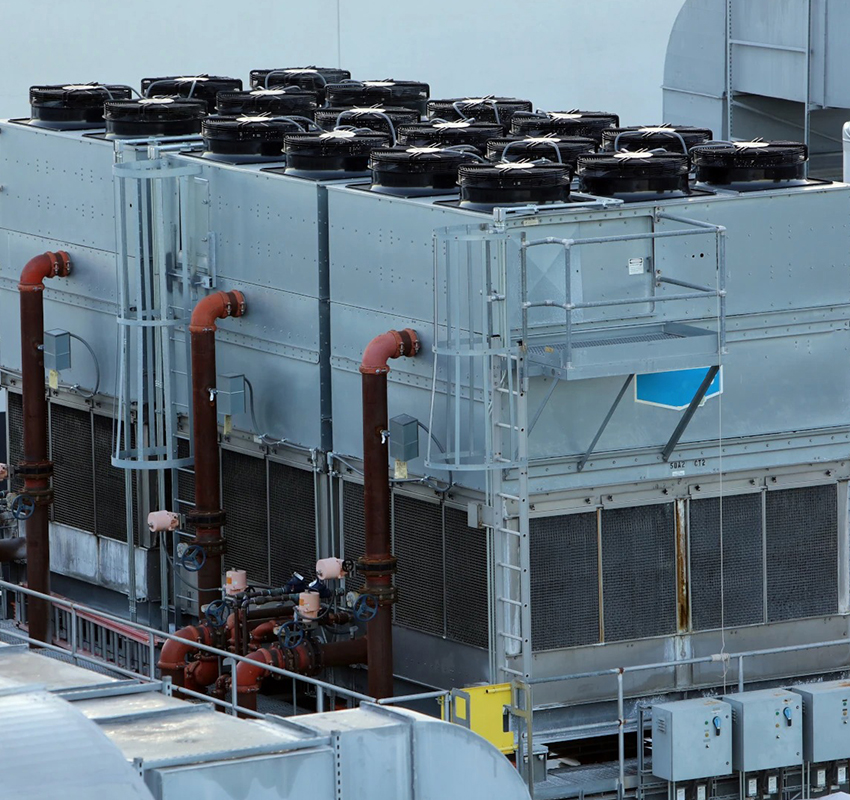
Across our project record, DC Compact Centrifugal are specified wherever equipment must stay cool and air must keep moving: data centers and server rooms, commercial refrigeration, air handling and ventilation systems, telecom and battery cabinets, industrial machinery, and power electronics in the new-energy sector. What these projects share is a simple truth — the fan is small in cost but decisive for uptime, so it deserves the same engineering attention as the equipment it protects.

In a recent retrofit project, a customer's cooling unit had to keep running while its worn fan was exchanged. We identified a current-series replacement with identical mounting dimensions and an equivalent airflow-pressure curve, confirmed the tach output compatibility, and the installation was finished within a single maintenance window.

A second frequent case is refrigeration service: a condenser or evaporator fan fails and the exact original model is on long lead time. Instead of waiting, we check bearing type, IP rating, blade diameter and speed, then offer an equivalent that restores capacity immediately — one of the most common ways our stock protects cold chain operations.

New builds and replacement projects on ebmpapst equipment follow the same path at our company: you send the required airflow, pressure and dimensions; we respond with a shortlist, performance curves and firm delivery dates.

Frequently Asked Questions About Buying DC Compact Centrifugal

Can you replace my existing DC Compact Centrifugal from another supplier or a discontinued model?

Yes. Replacement supply is one of our core services: we cross-reference the mounting dimensions, voltage, speed and performance curve of your installed unit and propose the closest current-series equivalent. Where the frame or connector differs slightly, we state the difference clearly before you order, so the replacement installs without surprises.

Can I order a single piece or request a sample before a bulk purchase?

Single-piece orders and samples are welcome — many customers validate one unit in their system before committing to volume. There is no minimum order quantity for standard stock models, and the sample price is deducted from the bulk order in most repeat purchases. Tell us the quantity you plan to use and we will quote both scenarios.

Do you support customized or OEM versions of DC Compact Centrifugal?

Yes. Beyond catalogue models we can discuss modified lead wires, connectors, speed curves, IP upgrades or private-label packaging for OEM projects. Customization usually starts from a defined annual quantity; our engineers will review your requirement and confirm feasibility, tooling cost and lead time before any commitment.

Bag

Bag packaging indicates that a specified quantity of product is packaged by the manufacturer in a bag, sealed pouch, or similar container and sold as a unit without repackaging. It is also used to describe kits/assortments where components are packaged in separate bags according to part number or parametric value, rather than in a compartmentalized box or similar rigid container.