Get Quote
Home > DC Backward

DC Backward

By type

By industry

Rated Voltage(V)

Size(mm)

Max.Air Flow(m³/h)

Max.Pressure(Pa)

Input Power(W)

Speed(rpm)

Noise(db)

Stocking Options

Environmental Options

Media

Exclude

3 results

Applied Filters

Showing
1-3
1-3
of 3
Download Table
Mfr Part # Rated Voltage(V) Size(mm) Max.Air Flow(m³/h) Max.Pressure(Pa) Input Power(W) Speed(rpm) Noise(db)
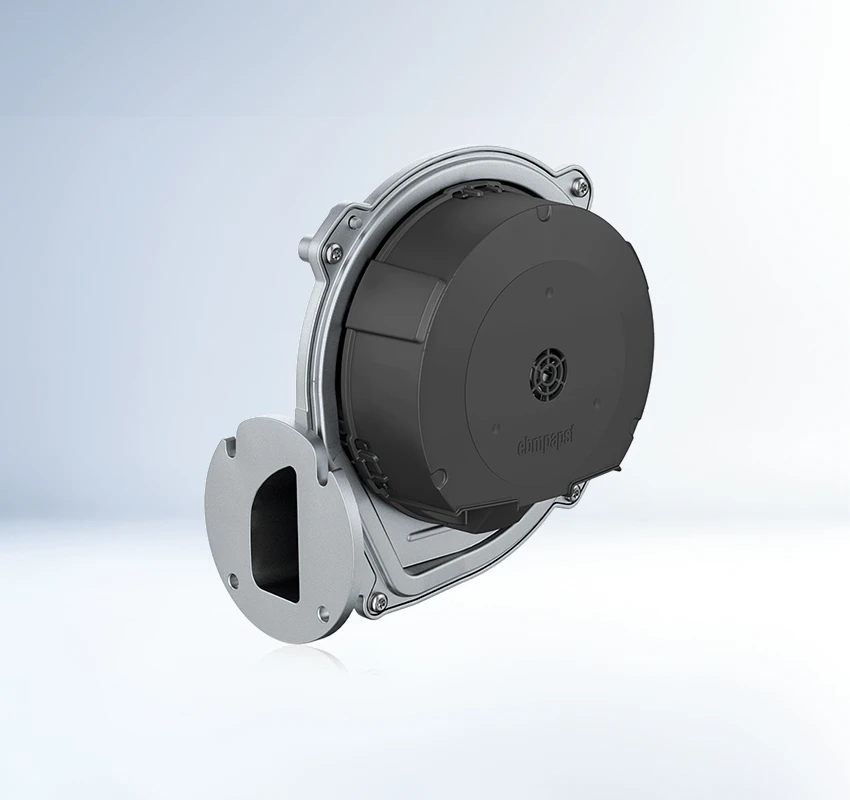
RL90-18/12N | ebm-papst 12VDC 5.5W DC Centrifugal Fan for air handling and HVAC systems

RL90-18/12N is a 12 VDC centrifugal fan for electronic equipment, heat pumps, equipment cooling. Its main supplied feature is 2500 rpm rated speed in the supplied parameter row. It also lists a 121*121*37 mm size specified in the upload data. Review controller compatibility for compatibility checking.

12 121*121*37 39.95 - 5.5 2500 58
RL65-21/14H | ebm-papst 24VDC 18W DC Centrifugal Fan for air handling and HVAC systems

RL65-21/14H is a 24 VDC centrifugal fan for electronic equipment, heat pumps, equipment cooling. Its main supplied feature is 4900 rpm rated speed in the supplied parameter row. It also lists 61 m³/h maximum airflow stated for this model. Review installation clearance for technical approval.

24 - 61 - 18 4900 69
RL48-19/12 | ebm-papst 12VDC 4.6W DC Centrifugal Fan for air handling and HVAC systems

RL48-19/12 is a 12 VDC centrifugal fan for electronic equipment, heat pumps, equipment cooling. Its main supplied feature is 4.6 W input power for the listed electrical version. It also lists 28 m³/h maximum airflow stated for this model. Review cooling margin for system integration. Check the exact variant before ordering.

12 - 28 150 4.6 4400 57
Showing
1-3
1-3
of 3

About DC Backward

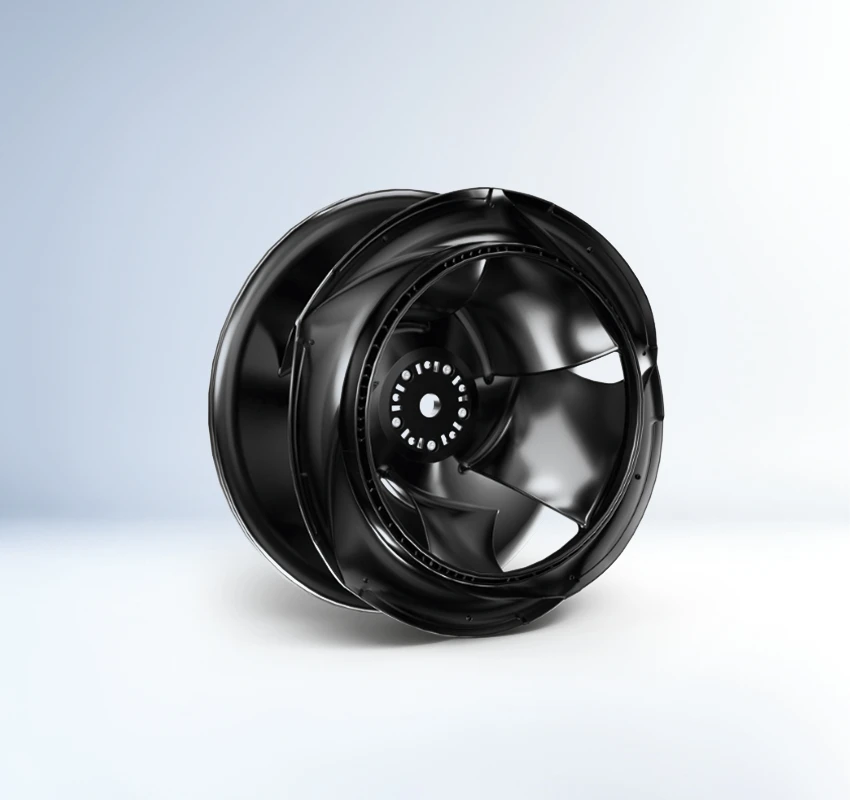
DC backward curved centrifugal fans represent the most energy-efficient fan technology available for medium and high-static-pressure applications. Impeller blades are curved opposite to the direction of rotation, resulting in aerodynamic profiles that typically achieve 70-85 percent efficiency — significantly higher than forward curved alternatives. When combined with EC (Electronically Commutated) DC motor technology, these fans deliver industry-leading performance with variable speed capability. DC backward curved centrifugal fans are used in high-demand applications including data center cooling systems (direct expansion air handlers with deep filter banks), clean room ventilation with HEPA filtration, industrial dust collection systems requiring high pressure, and high-performance HVAC systems. Key specification parameters include impeller diameter, airflow rate, static pressure capability, efficiency class, and noise level. Leading manufacturers of DC backward curved centrifugal fans include ebm-papst (A series EC backward curved), ZIEHL-ABEGG (ZAplus EC series), and Rosenberg (EC backward curved range). Hengrui supplies the full product range with engineering support for system design and performance verification.

How to Select the Right DC Backward

The most reliable way to specify DC Backward is to work from the system, not from the catalog. Measure or calculate the airflow and pressure demand first, add the dimensional limits of the mounting position, and only then shortlist series whose curves cover your operating point with margin.

Electrical matching is the next gate. Confirm the supply voltage — 12 V, 24 V or 48 V DC for compact electronics cooling, 115 V or 230 V AC for equipment and panel cooling — and decide whether you need speed control. EC models accept PWM or 0-10 V signals and report speed through a tachometer output, which makes them the default choice for variable-airflow systems, while AC units remain a cost-effective answer for fixed-speed duty.

Then filter by environment. High ambient temperature, dust or moisture loads dictate the IP rating and bearing choice — ball bearings keep airflow and noise stable over years, while sleeve bearings suit light-duty horizontal mounting. Regulatory needs such as UL, CE and RoHS recognition should be confirmed before the shortlist goes to purchasing, together with a maximum allowed sound pressure level in dBA.

End the process by checking supply, not just specification: confirm current stock, the lead time for follow-up quantities, and obtain datasheets and dimension drawings so the mechanical interface is verified before the PO. Send us your airflow and pressure requirements and our engineers will confirm the best-matched series — 3 products are available in this category today.

Typical Applications and Use Cases for DC Backward

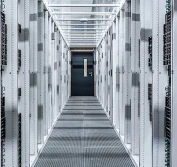
The daily work of our sales engineers is built around DC Backward used in data center cooling, refrigeration and cold chain projects, building ventilation, telecom base stations, medical devices and industrial control cabinets — environments where a stopped fan is a stopped business process. That daily exposure to real installations is exactly what we bring back into every selection: not just reading curves, but knowing which models survive dust, heat, continuous duty and restricted service access.

A typical case: an equipment builder needed to replace an aging AC fan inside a control cabinet that could not be taken offline for more than an hour. By cross-referencing the frame dimensions, voltage and airflow curve, we supplied a current-series drop-in replacement with a matching tachometer signal, and the swap was completed during a scheduled maintenance window.

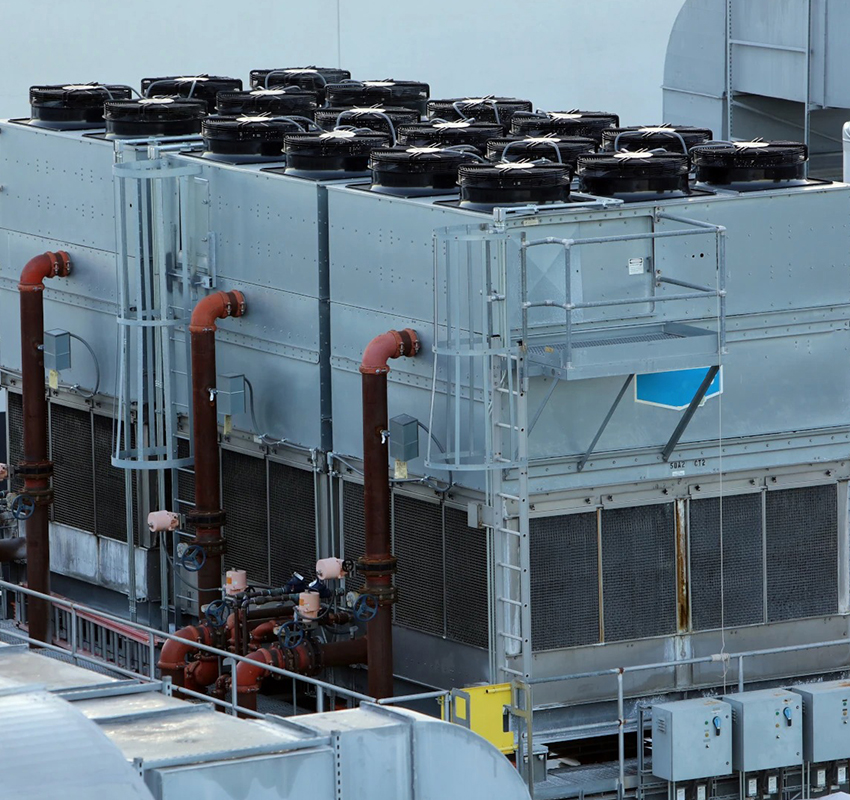
Refrigeration and cold chain customers bring us another pattern: the failed condenser fan is unavailable for weeks. Comparing diameter, speed, bearings and IP rating, we supply a functionally equivalent unit from stock so the system returns to duty the same week — the reason many service companies keep our contact number on file.

From one-piece emergency replacements to volume supply for equipment manufacturers, every ebmpapst enquiry is handled by the same rule: verify the parameters first, then quote — so what arrives on site is the fan the project actually needs.

Frequently Asked Questions About Buying DC Backward

What technical documentation do you provide before purchase?

Datasheets, performance curves, dimension drawings and certification files (UL, CE, RoHS where applicable) are available on request before you buy — we believe a purchase order should follow a verified selection, not replace it. For project tenders we can also provide product comparison tables that put the candidate models side by side on the parameters you care about.

Do you have DC Backward in stock and how fast can you deliver?

Common series and mainstream voltage versions are normally in stock and can ship within a few working days; specialized or customized variants are produced to order and typically require additional production time. Send us the exact model or the required parameters and we will confirm stock, unit price and the earliest shipment date in one reply Currently 3 products in this category are listed online.

Can you replace my existing DC Backward from another supplier or a discontinued model?

Yes. Replacement supply is one of our core services: we cross-reference the mounting dimensions, voltage, speed and performance curve of your installed unit and propose the closest current-series equivalent. Where the frame or connector differs slightly, we state the difference clearly before you order, so the replacement installs without surprises.

Bag

Bag packaging indicates that a specified quantity of product is packaged by the manufacturer in a bag, sealed pouch, or similar container and sold as a unit without repackaging. It is also used to describe kits/assortments where components are packaged in separate bags according to part number or parametric value, rather than in a compartmentalized box or similar rigid container.