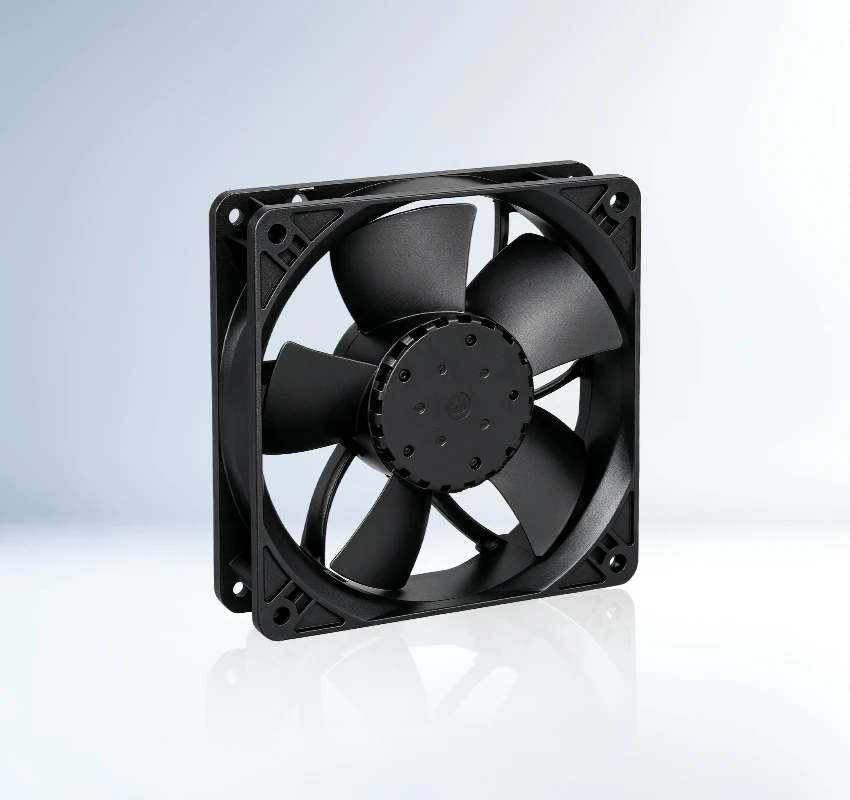
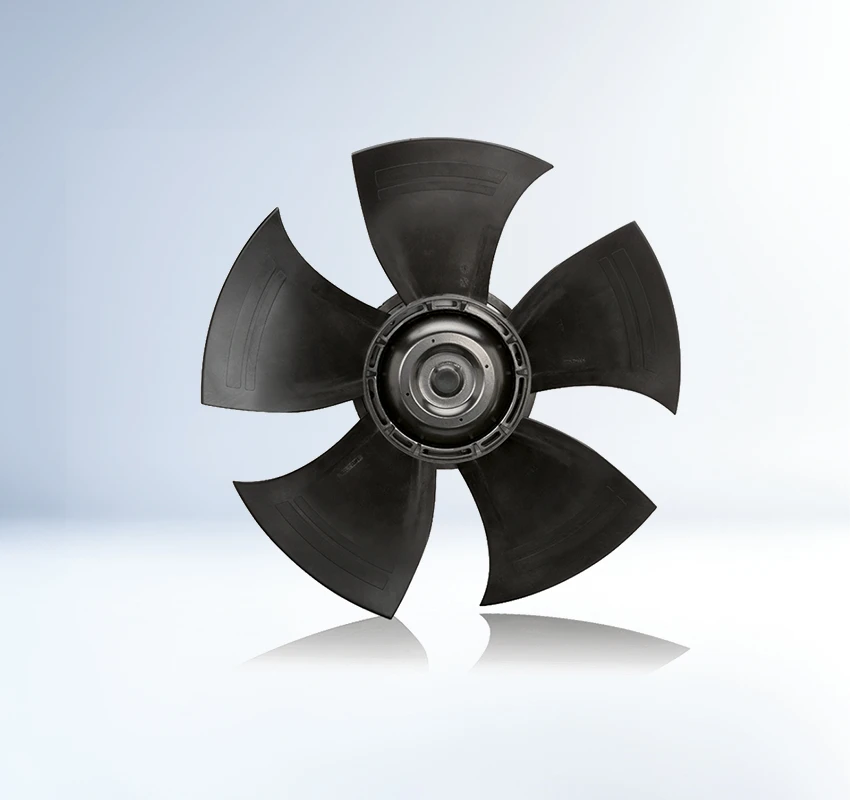
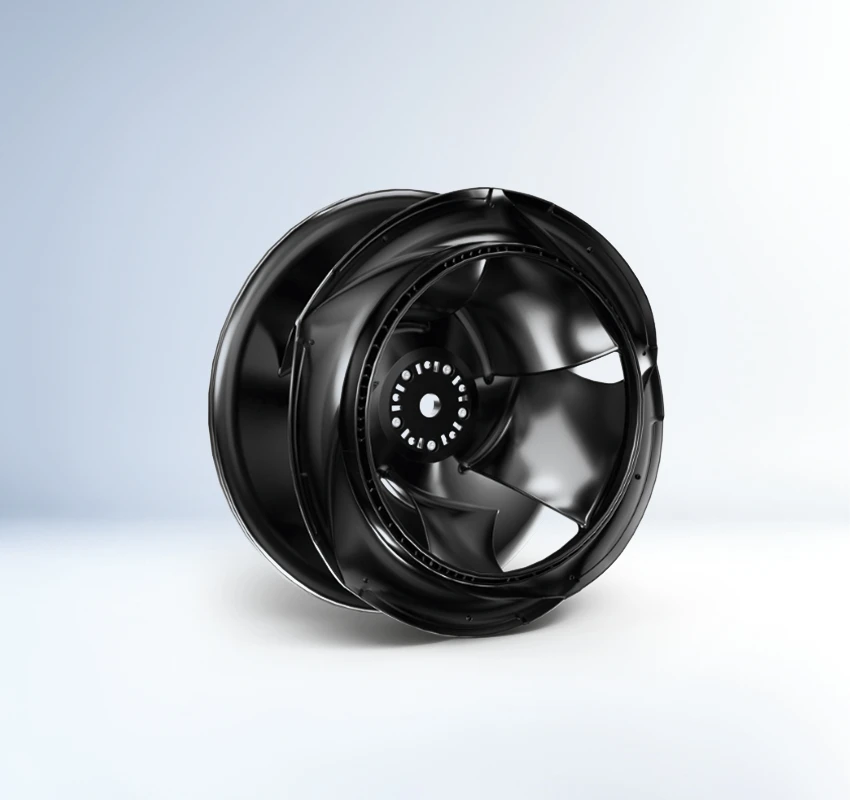
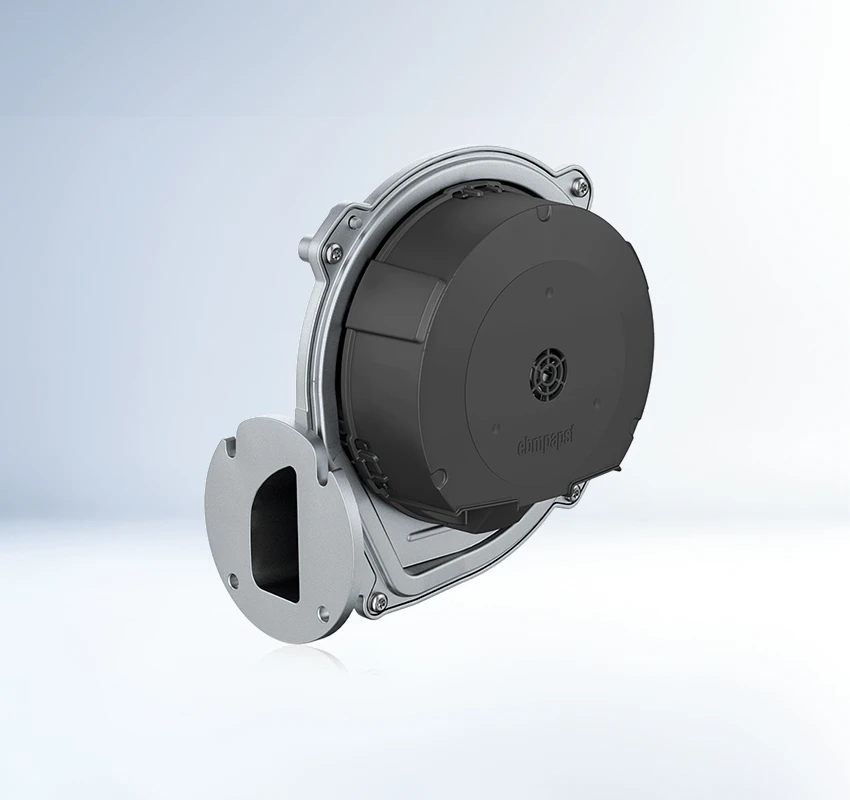
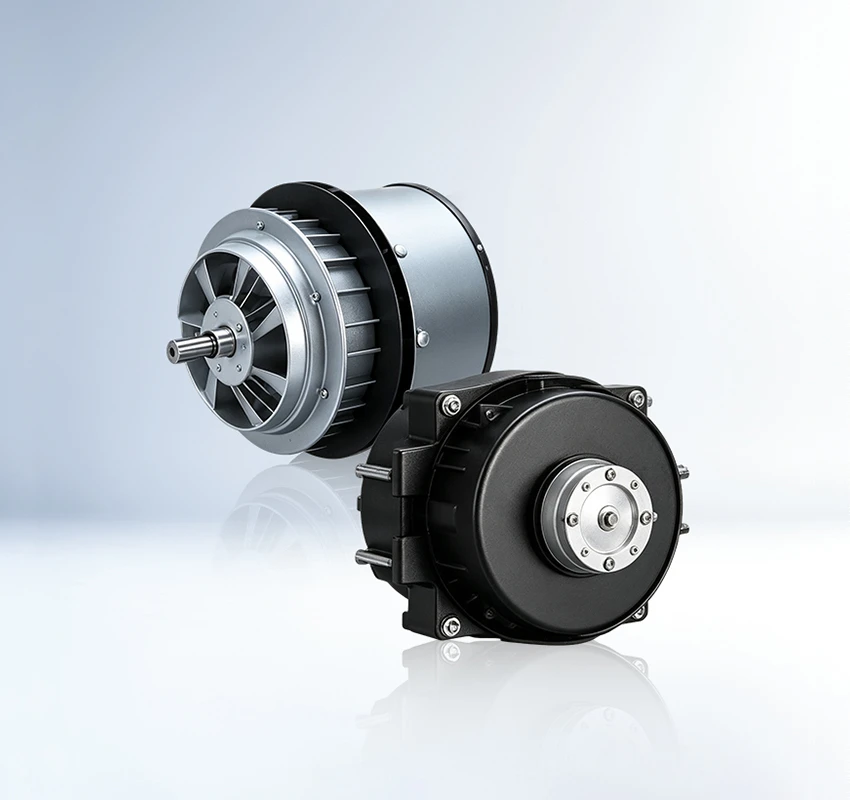
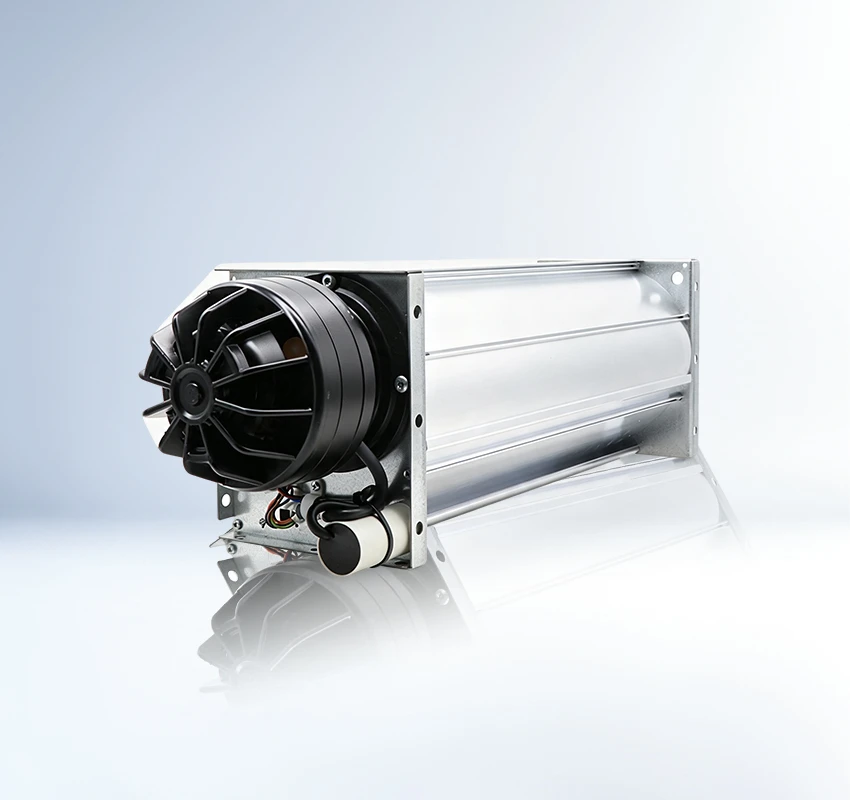
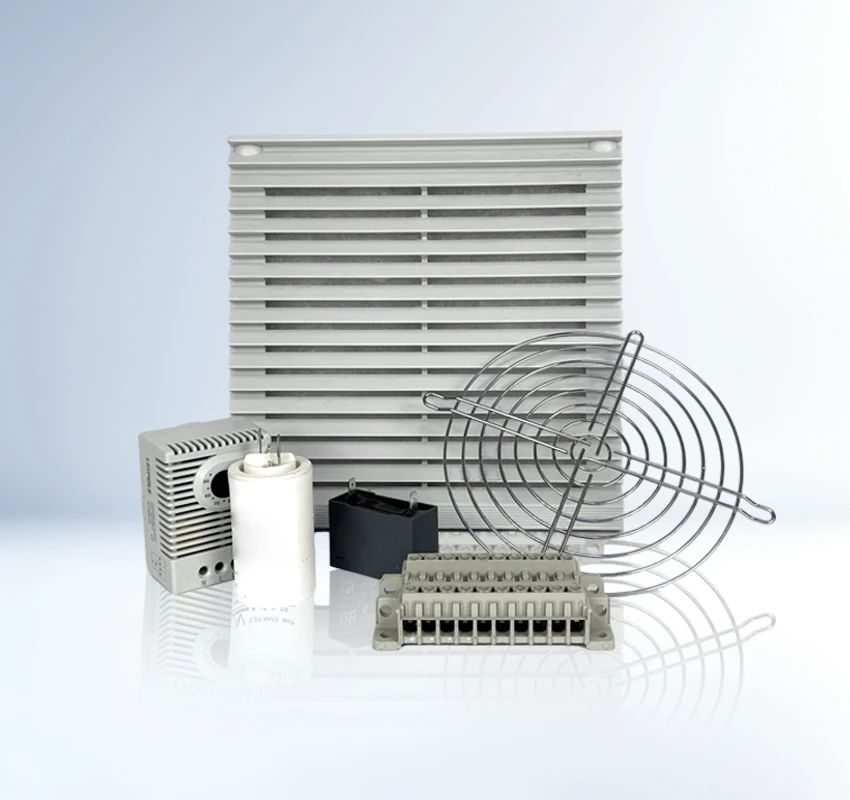
8315100592 VWCD060WHDGS is a 12 VDC axial fan for industrial ventilation and equipment cooling. Its main supplied feature is 46 m³/h maximum airflow stated for this model. It also lists a 60*60*25 mm size specified in the upload data. Review acoustic limit for ductwork design. Check the exact variant before ordering.
| Rated Voltage(V) | 12 |
|---|---|
| Size(mm) | 60*60*25 |
| Max.Air Flow(m³/h) | 46 |
| Max.Pressure(Pa) | 105 |
| Input Power(W) | 1.2 |
| Speed(rpm) | 5300 |
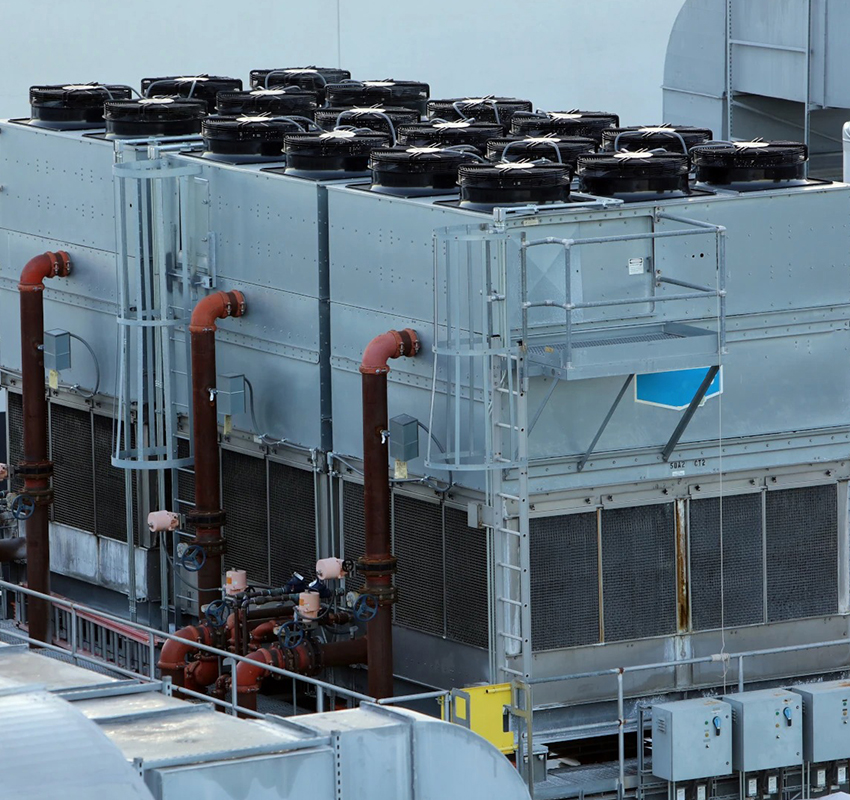
For industrial machinery and control cabinets, ebm-papst model 8315100592 VWCD060WHDGS serves as a DC axial fan that moves heat away from active components and restricted internal zones.
The stated 60*60*25 mm size aids early mechanical-envelope and mounting checks.
Only the supplied model, category and tabulated values are used here; undocumented materials and functions are intentionally omitted.
This helps OEM specialists translate airflow into lower component temperature, steadier operation and a more repeatable machinery design. Validate sound and temperature in the finished enclosure. Keep the model reference unchanged in replacement documentation. Check environmental limits in the original product data.
No noise value is supplied for this model. Request exact acoustic data if the project has a sound limit.
No model-specific maintenance interval is supplied. Keep the airflow path clean, inspect mounting and electrical connections, and follow the exact product instructions.
The supplied row lists 46 m³/h airflow, 105 Pa pressure, 1.2 W input, 5300 rpm. Compare these values with the real system operating point, not only the free-air rating.
The supplied files do not establish a universal 24/7 duty rating. Validate ambient conditions, duty cycle, protection, and maintenance requirements for continuous use.
Available performance data includes 46 m³/h airflow, 105 Pa pressure, 1.2 W input, 5300 rpm. Obtain the full curve when system resistance or part-load behavior matters.
No quantified cost-saving claim is supplied for this exact item. Compare energy use, controls, service needs, and purchase cost using the required duty point.