Get Quote
Home > Products > By type > Centrifugal Fans > K3G280-AU06-B2 | ebm-papst 1~ 200-277V 715W EC Centrifugal Fan for Air Handling

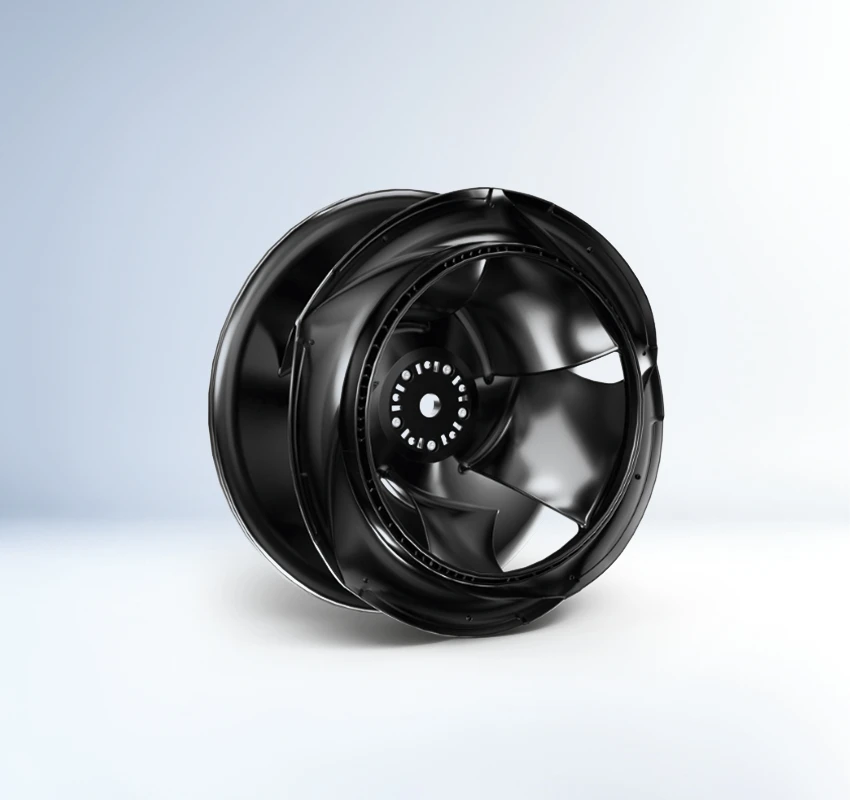
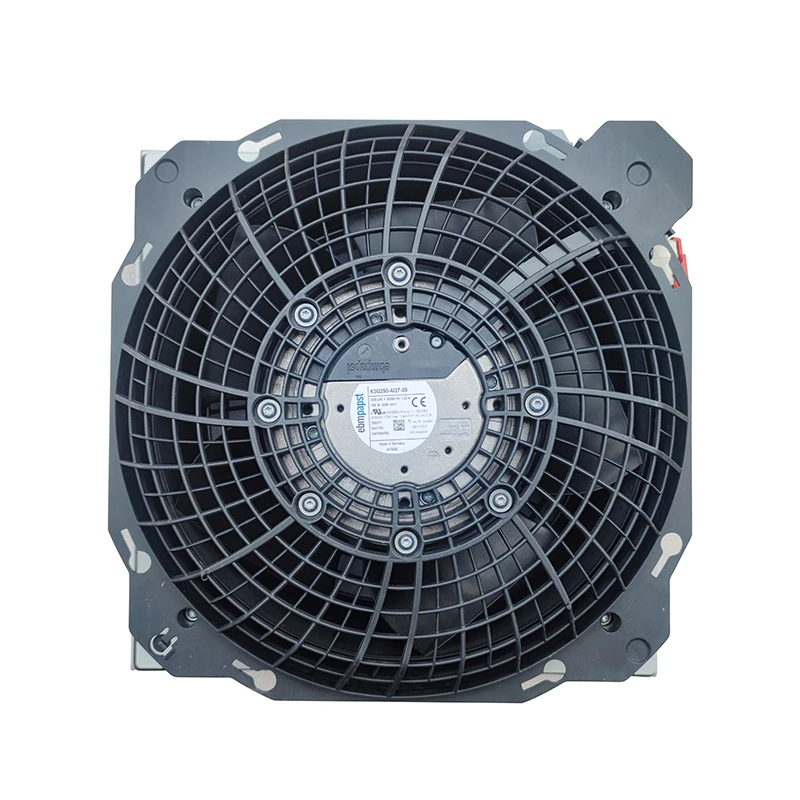
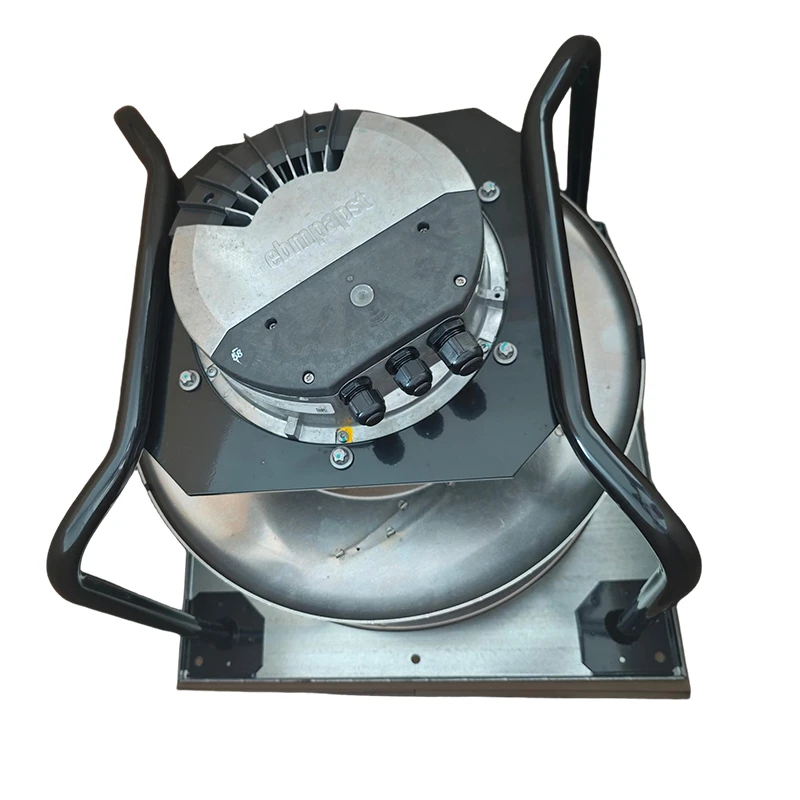
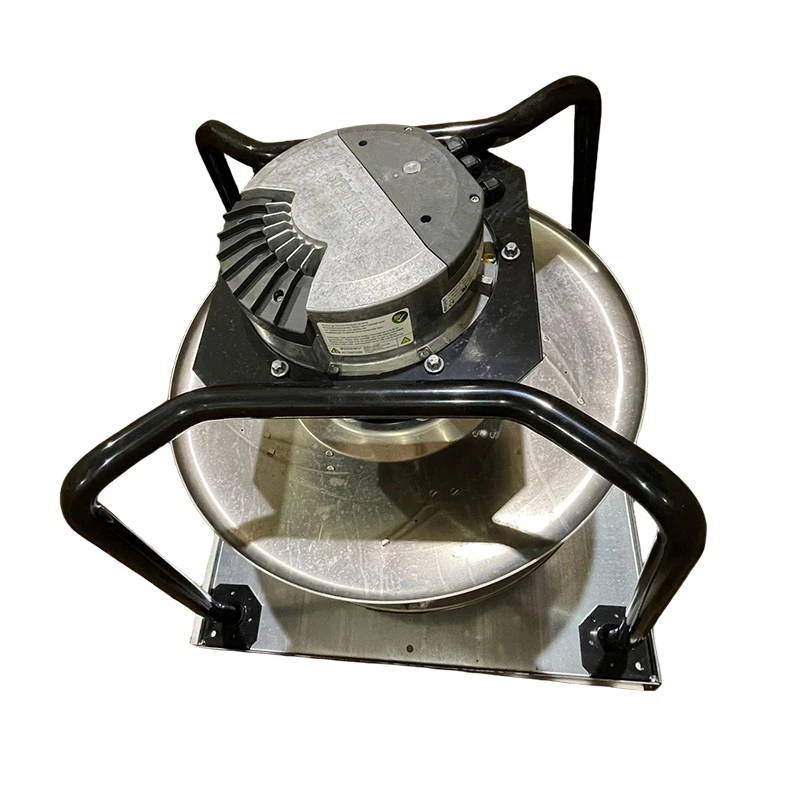
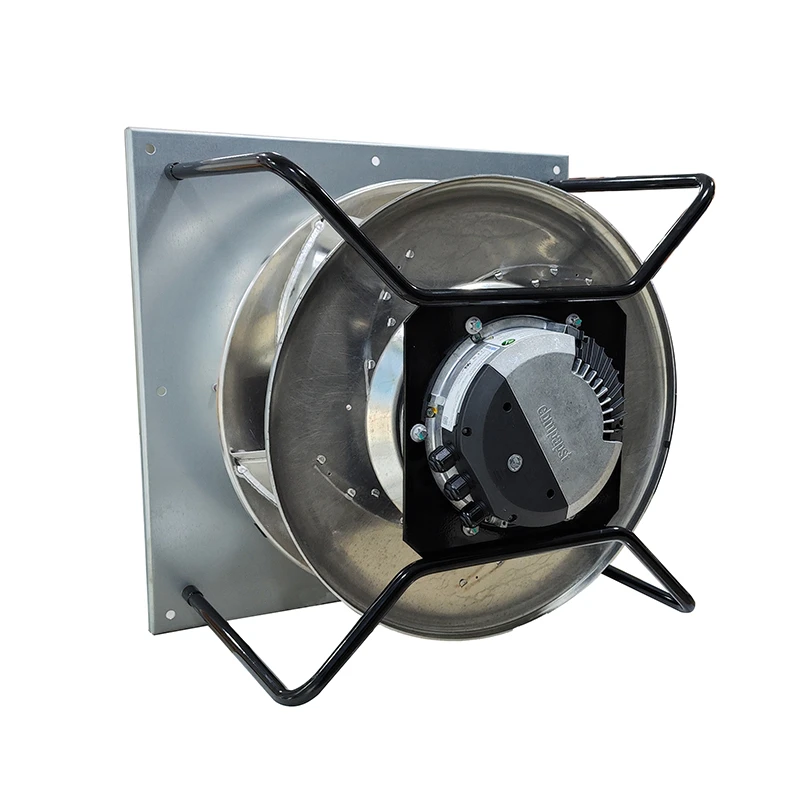
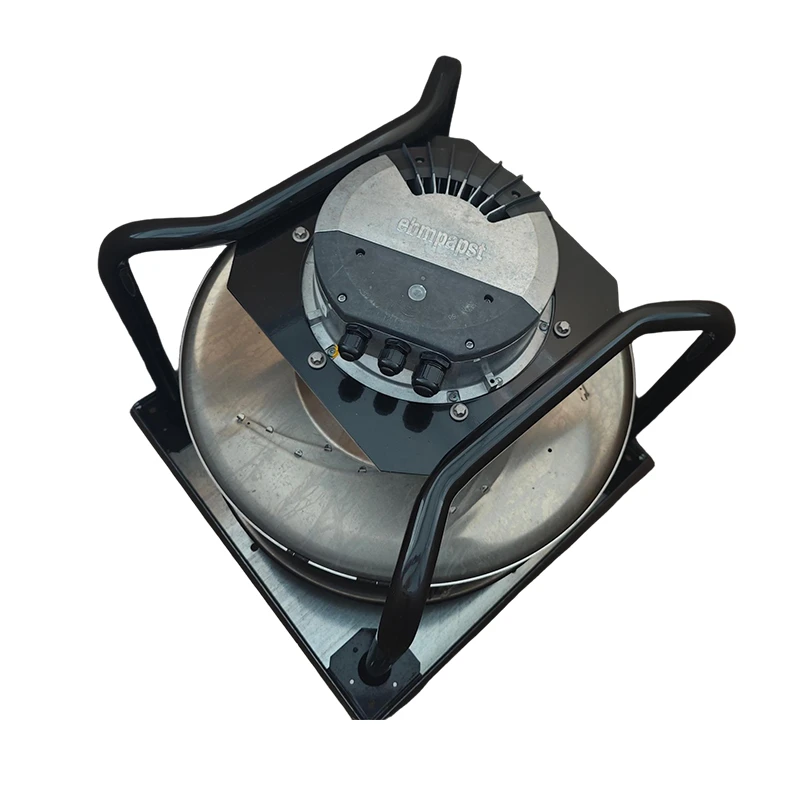
K3G280-AU06-B2 ebm-papst Centrifugal Fan

Brand :
ebmpapst
Model:
K3G280-AU06-B2 | ebm-papst 1~ 200-277V 715W EC Centrifugal Fan for Air Handling
Type:
Centrifugal Fans
Industry:
HVAC & Ventilation
Description:

Configured for Air Handling, the ebm-papst K3G280-AU06-B2 is a 200-277V EC backward-curved centrifugal fan, distinguished by a listed acoustic value of 69 dB. The rating aids system-fit checks.

Datasheet:
K3G280-AU06-B2 | ebm-papst 1~ 200-277V 715W EC Centrifugal Fan for Air Handling Datasheet (Pdf)

Product Features

Rated Voltage(V)1~ 200-277
Size(mm)280
Max.Air Flow(m³/h)3560
Max.Pressure(Pa)830
Input Power(W)715
Speed(rpm)2800
Noise(db)69

Product Features

High Static Airflow

The ebm-papst K3G280-AU06-B2 is an EC centrifugal blower for hvac systems, providing directed airflow in enclosures and cooling assemblies.

Data includes 1~ 200-277 V operation, airflow up to 3560 m³/h and pressure up to 830 Pa for matching airflow to system resistance. The datasheet lists ball-bearing support, PWM/0-10 V/MODBUS speed control for durable motor support. Listed noise is 69 dB at the stated test point. Correct electrical selection and clear inlet spacing support efficient cooling, reliable operation and long fan life.

Suitable for OEM engineers, manufacturers and maintenance buyers, the K3G280-AU06-B2 should be checked for wiring, mounting, duty point and ambient limits before selection.

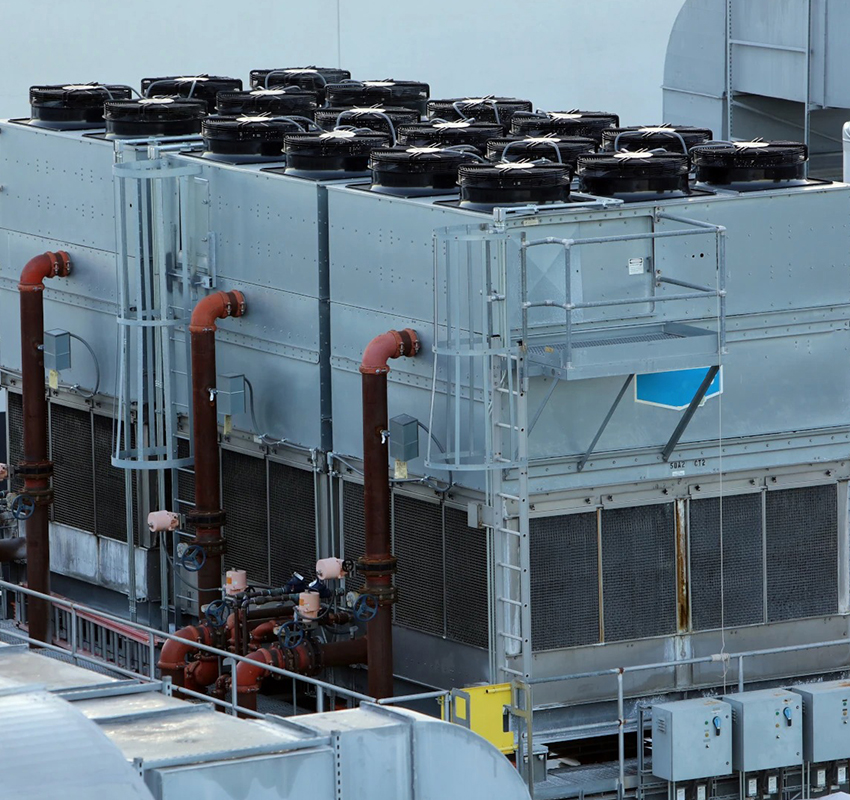
Application Industry

Frequently Asked Questions

How can noise be managed when using the K3G280-AU06-B2?

The table lists 69 dB. Use unobstructed airflow, secure mounting and suitable isolation where required.

Does the K3G280-AU06-B2 support speed control?

Control capability and input method must be confirmed in the exact-model datasheet and wiring diagram; do not infer them from the fan family alone.

Can the K3G280-AU06-B2 help control total ownership cost?

Correct sizing and operation within documented limits can reduce avoidable thermal stress and maintenance events; project savings require duty-cycle analysis.

Message Form