Get Quote
Home > Products > By type > Centrifugal Fans > R2E133-BH66-30 | ebm-papst 230V 28W Centrifugal Fan for Automation

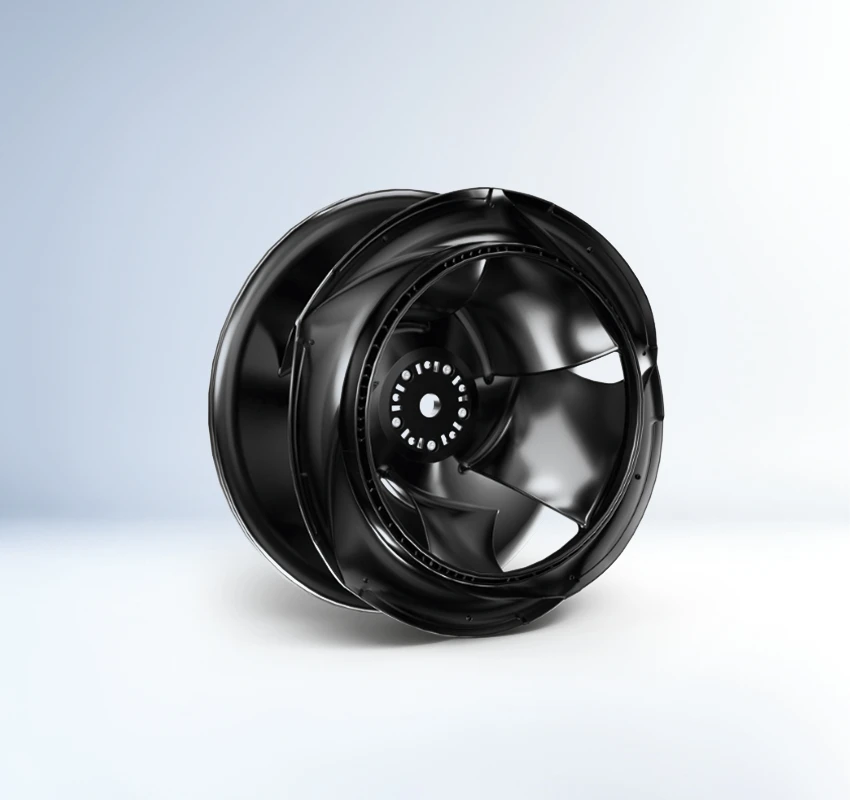
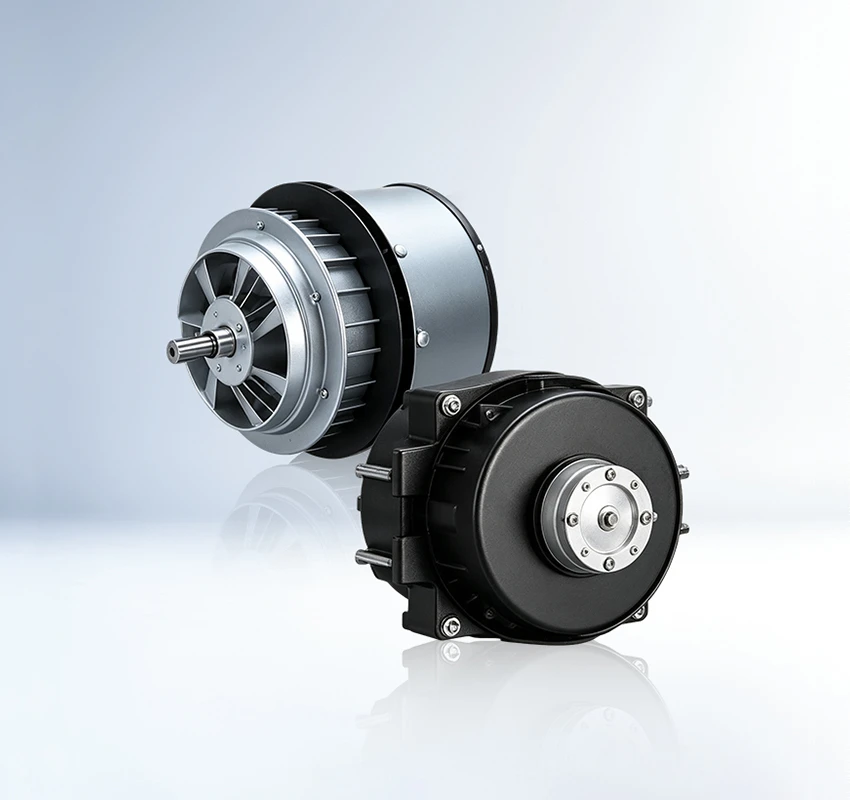
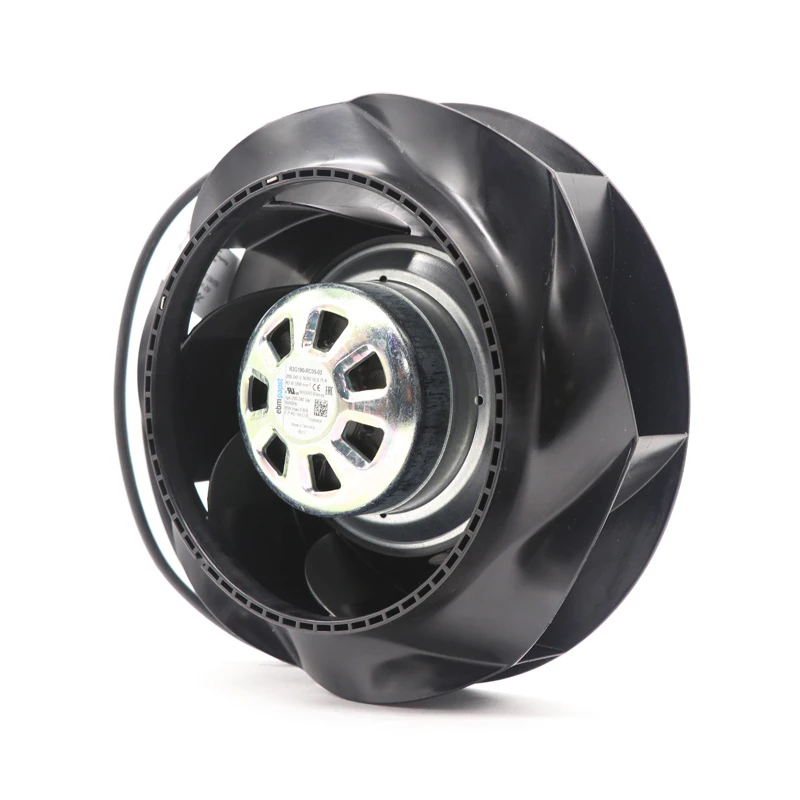
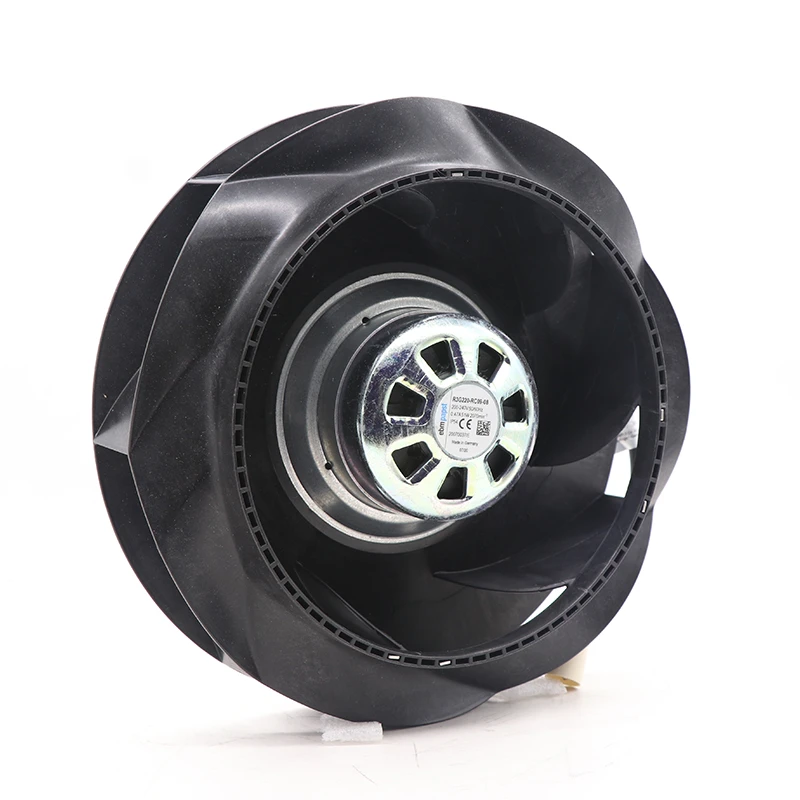
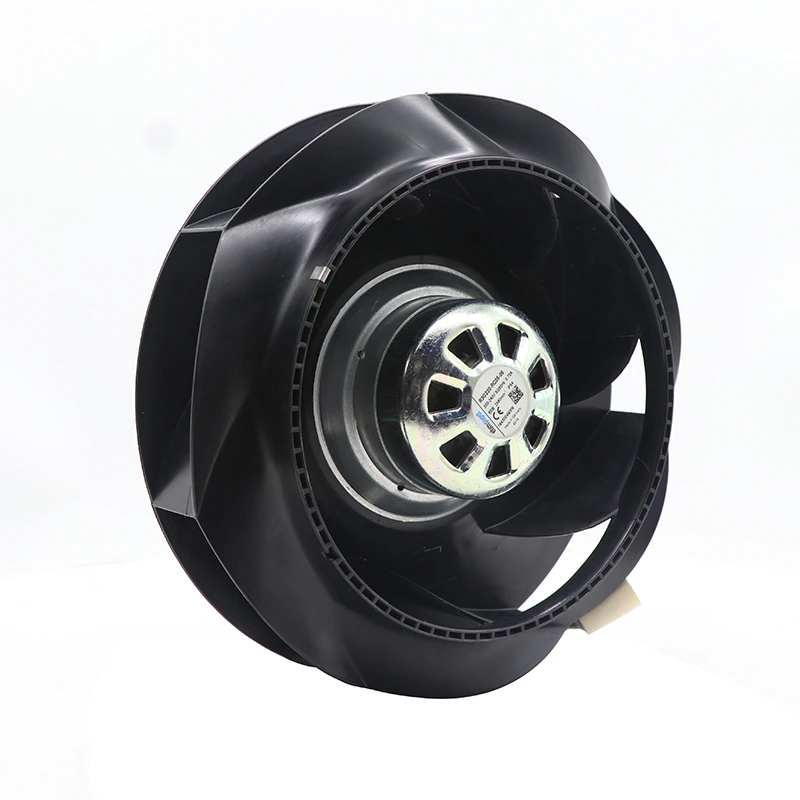
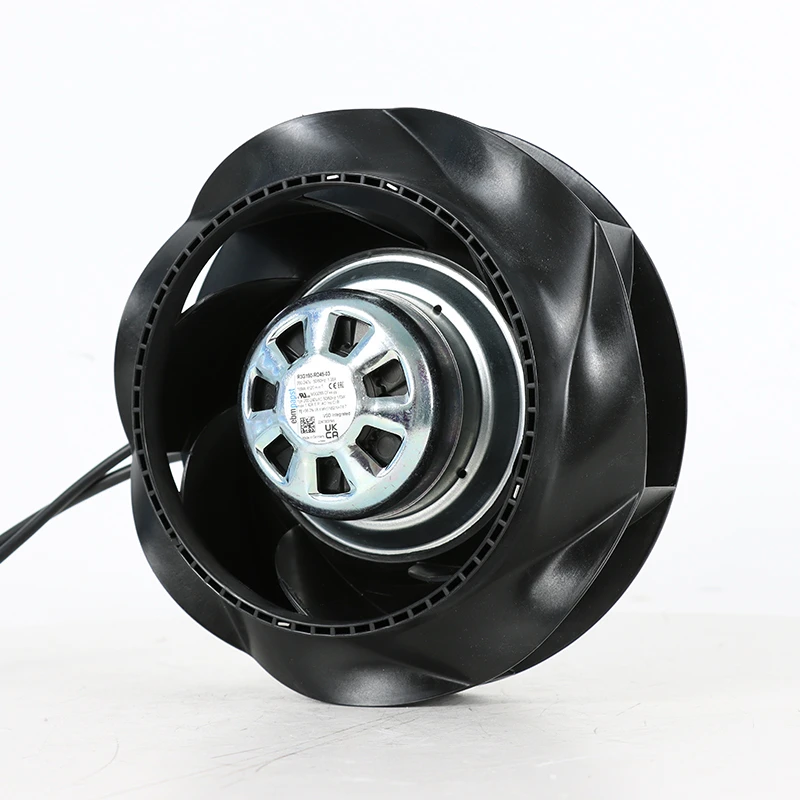
R2E133-BH66-30 ebm-papst Centrifugal Fan

Brand :
ebmpapst
Model:
R2E133-BH66-30 | ebm-papst 230V 28W Centrifugal Fan for Automation
Type:
Centrifugal Fans
Industry:
Automation
Description:

Used in Automation, ebm-papst R2E133-BH66-30 is a 230 V AC forward-curved centrifugal fan, centered on a documented speed of 3,200 rpm. The data helps compare K-series variants. Its documented data supports integration planning.

Datasheet:
R2E133-BH66-30 | ebm-papst 230V 28W Centrifugal Fan for Automation Datasheet (Pdf)

Product Features

Rated Voltage(V)230
Size(mm)133
Max.Air Flow(m³/h)280
Max.Pressure(Pa)180
Input Power(W)28
Speed(rpm)3200

Product Features

Reliable AC Cooling

The ebm-papst R2E133-BH66-30 is an AC centrifugal fan for Automation, combining application-focused airflow with practical integration criteria. It serves equipment manufacturers and maintenance teams that require traceable model selection.

Documented selection points include 230 V supply, 28 W input, 133 mm size, up to 280 m3/h airflow. These values support electrical, envelope and duty-point comparison.

For procurement, verify voltage, duty point, dimensions, connector and mounting. Correct sizing and clear airflow paths support stable operation, controlled noise and long service life. Confirm speed control, IP protection and approvals in the exact-model datasheet. This approach helps OEMs reduce integration risk and plan dependable thermal performance.

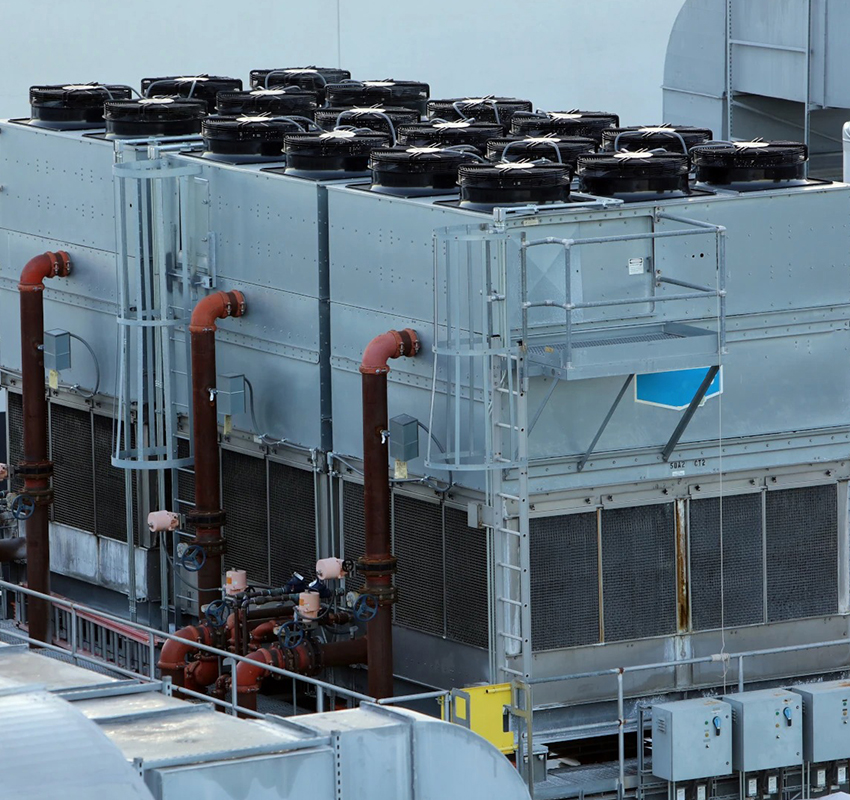
Application Industry

Frequently Asked Questions

Is inventory stable for the R2E133-BH66-30?

The workbook marks it In Stock, but quantity and lead time should be reconfirmed at quotation because availability can change.

Is the R2E133-BH66-30 easy to maintain?

Provide service access, keep the airflow path clean, inspect wiring and mounting, and investigate abnormal noise or vibration before continued use.

How should buyers select the R2E133-BH66-30 for an operating point?

Match required airflow and pressure on the exact performance curve, then verify voltage, power, dimensions and environmental limits.

Message Form