Get Quote
Home > Products > By type > Centrifugal Fans > R2E225-RE07-03 | ebm-papst 230V Centrifugal Fan for Automation

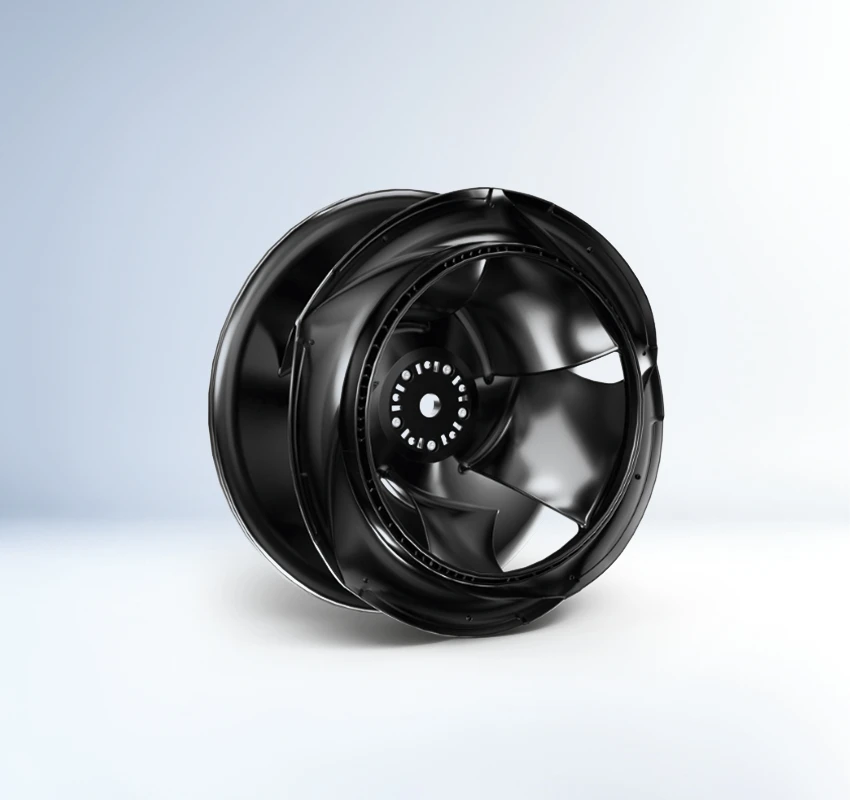
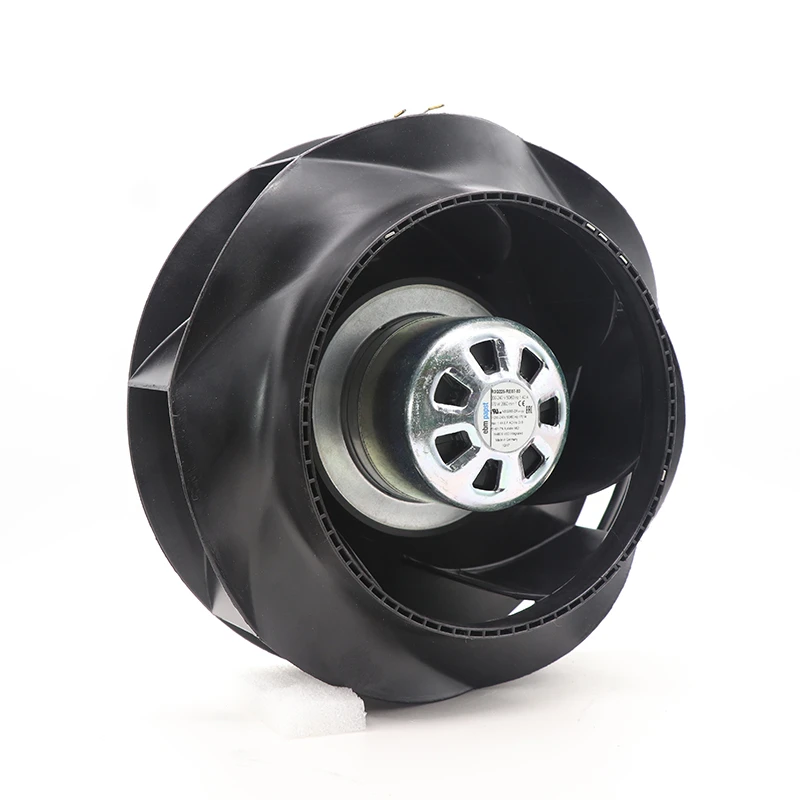
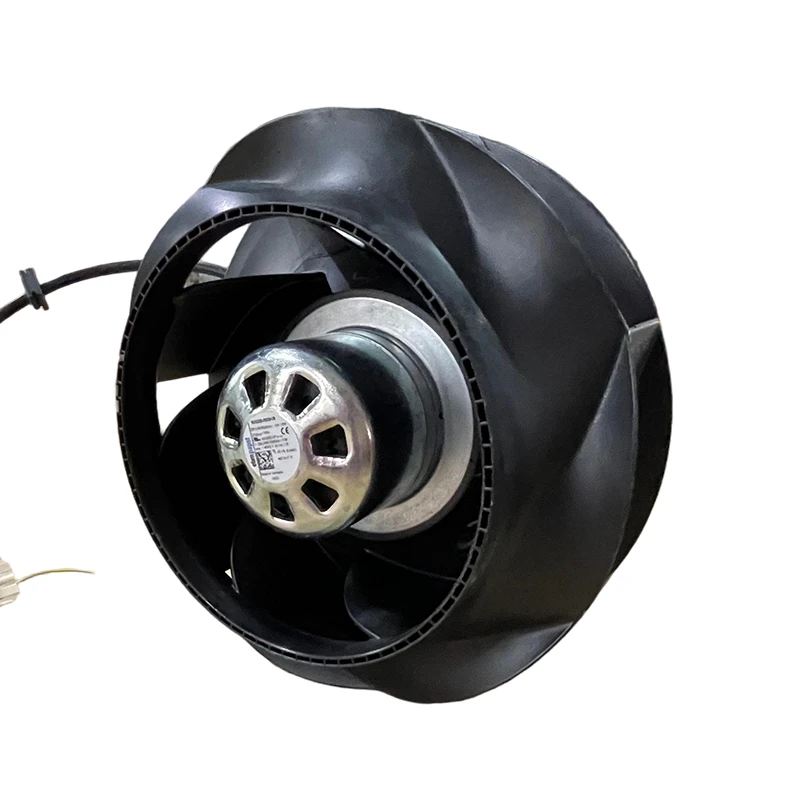
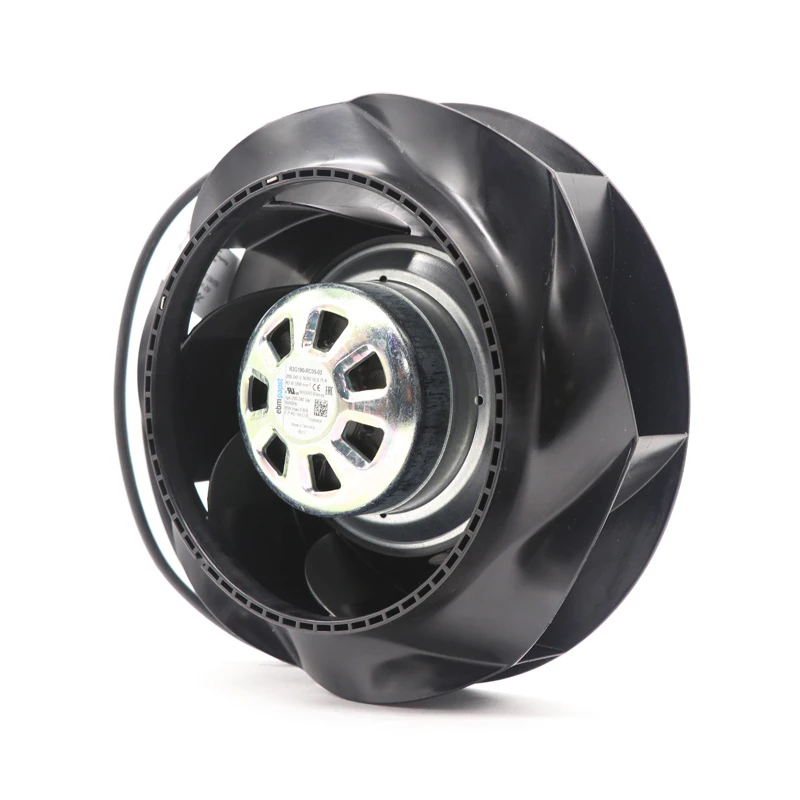
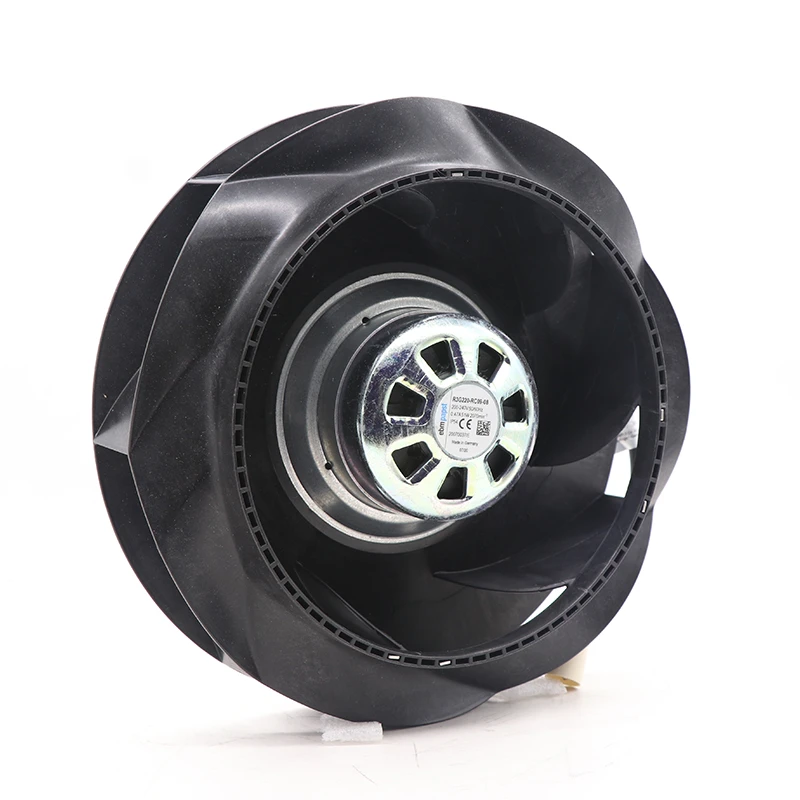
R2E225-RE07-03 ebm-papst Centrifugal Fan

Brand :
ebmpapst
Model:
R2E225-RE07-03 | ebm-papst 230V Centrifugal Fan for Automation
Type:
Centrifugal Fans
Industry:
Automation
Description:

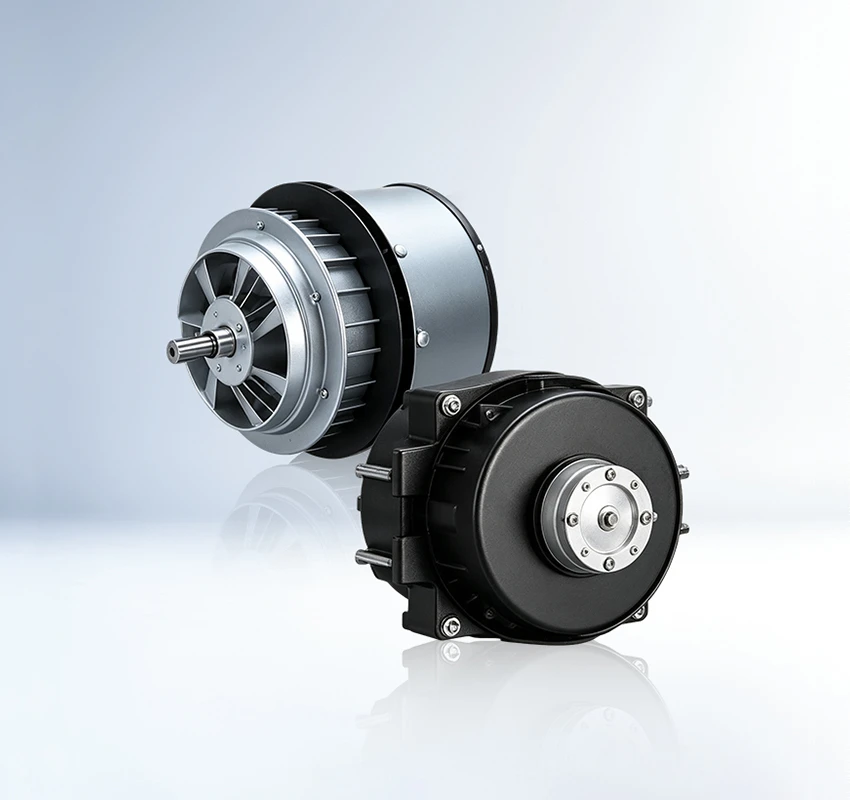
Aimed at Automation, the ebm-papst R2E225-RE07-03 is a 230 V AC forward-curved centrifugal fan, distinguished by 225 mm dimensions for installation planning. It provides a practical sizing reference.

Product Features

Rated Voltage(V)230
Size(mm)225

Product Features

Reliable AC Cooling

The ebm-papst R2E225-RE07-03 is an AC centrifugal fan for Automation, combining application-focused airflow with practical integration criteria. It serves equipment manufacturers and maintenance teams that require traceable model selection.

Documented selection points include 230 V supply, 225 mm size. These values support electrical, envelope and duty-point comparison.

For procurement, verify voltage, duty point, dimensions, connector and mounting. Correct sizing and clear airflow paths support stable operation, controlled noise and long service life. Confirm speed control, IP protection and approvals in the exact-model datasheet. Service access and clean inlets help protect cooling performance over time.

Application Industry

Frequently Asked Questions

What distinguishes the R2E225-RE07-03 from a general-purpose fan?

Its AC forward-curved centrifugal fan configuration and 225 mm dimensions for installation planning provide model-specific criteria for matching Automation systems.

Does the R2E225-RE07-03 support speed control?

Control capability and input method must be confirmed in the exact-model datasheet and wiring diagram; do not infer them from the fan family alone.

What performance data is available for the R2E225-RE07-03?

The supplied table does not list airflow, pressure or speed; use the exact datasheet for the complete operating curve.

Can the R2E225-RE07-03 help control total ownership cost?

Correct sizing and operation within documented limits can reduce avoidable thermal stress and maintenance events; project savings require duty-cycle analysis.

Message Form