Get Quote
Home > Products > By type > Centrifugal Fans > R3G225-8317076415 | ebm-papst 220V 170W Centrifugal Fan for Air Purification

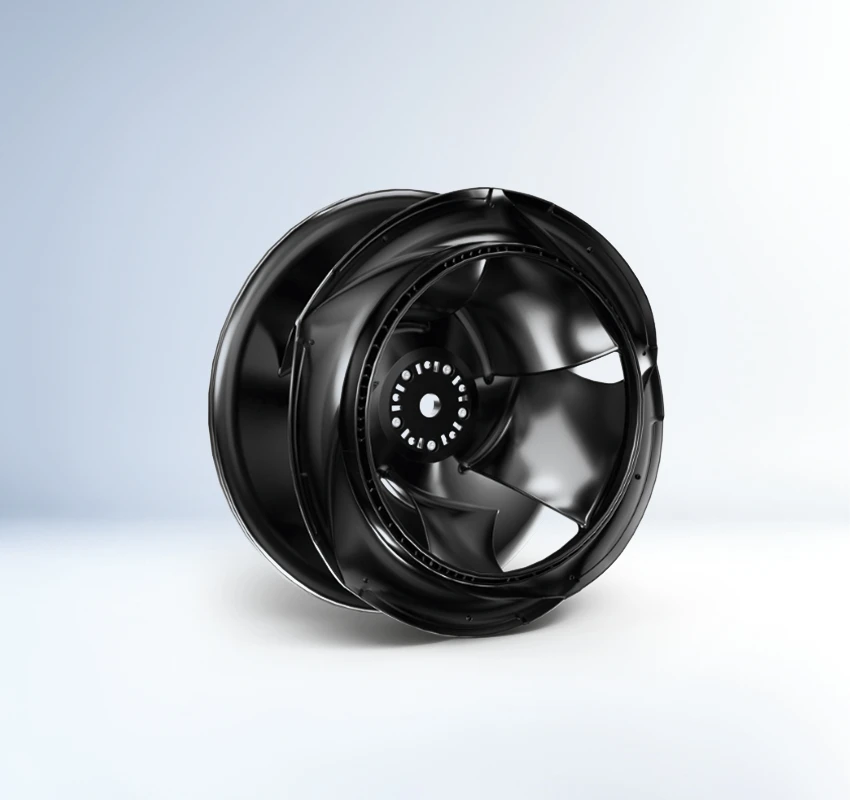
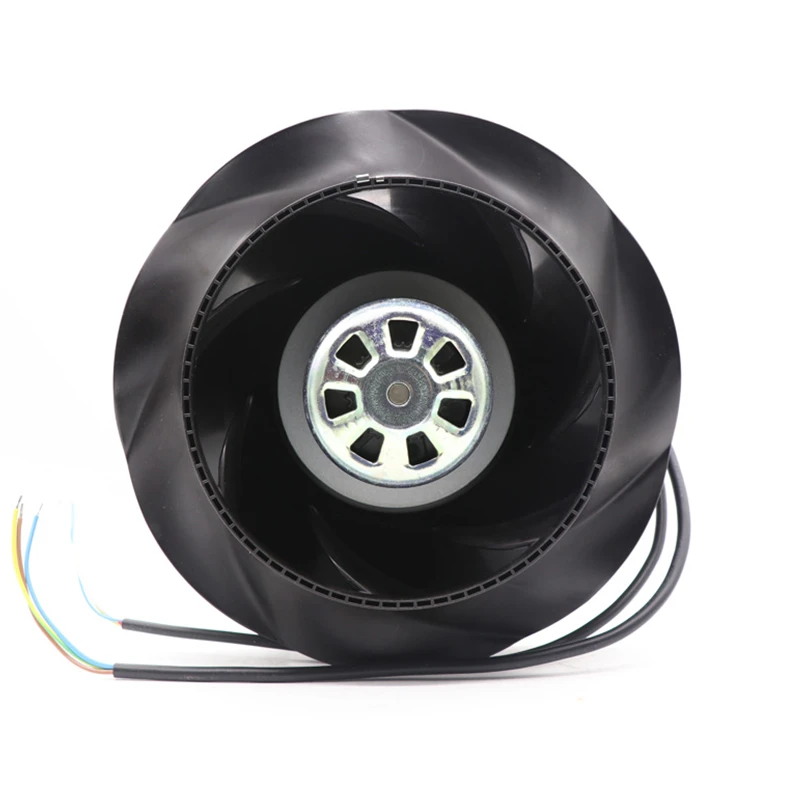
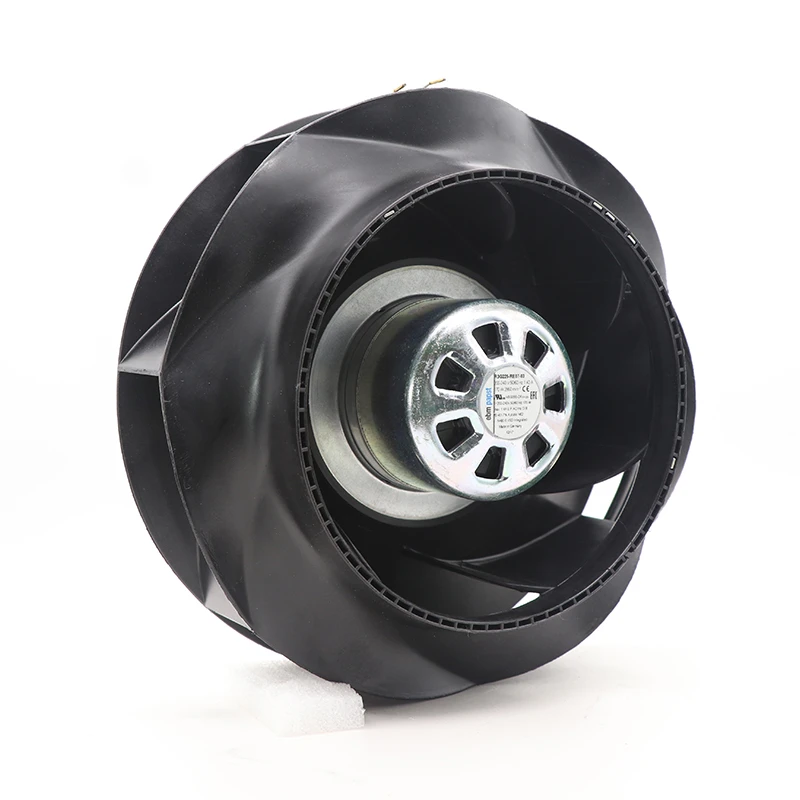
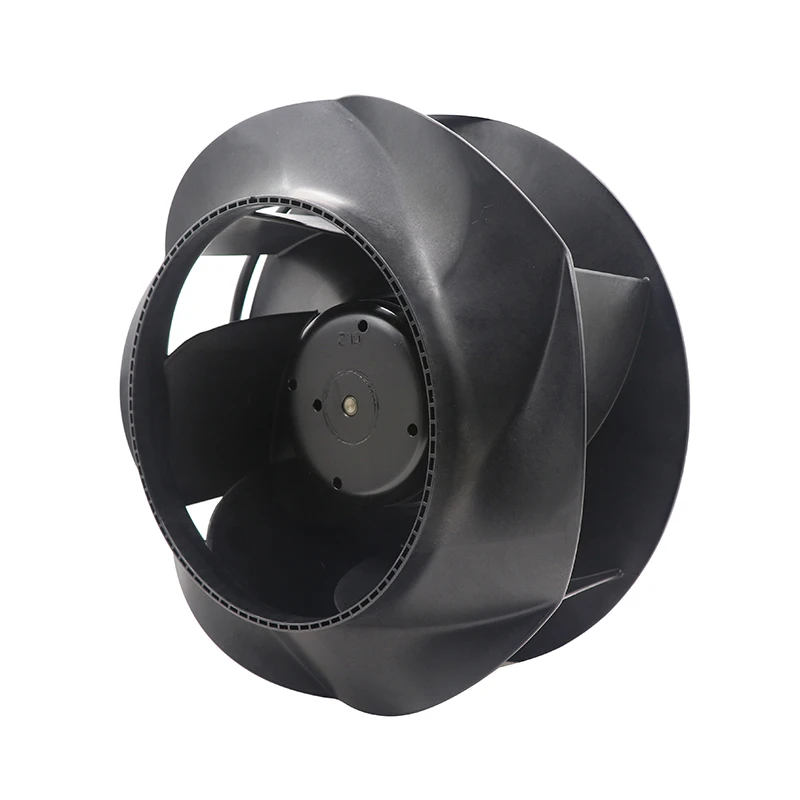
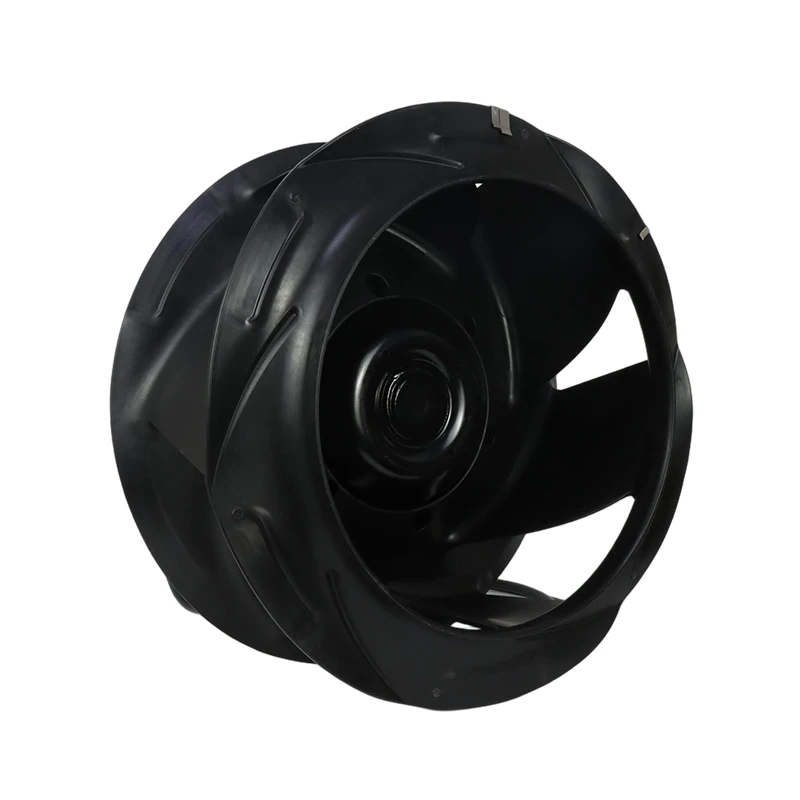
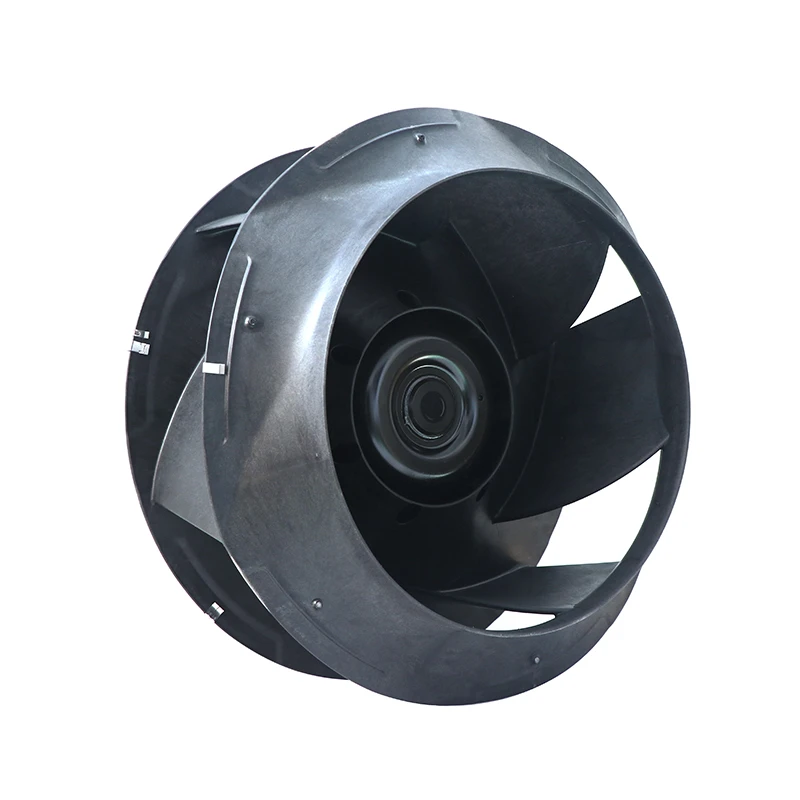
R3G225-8317076415 ebm-papst Centrifugal Fan

Brand :
ebmpapst
Model:
R3G225-8317076415 | ebm-papst 220V 170W Centrifugal Fan for Air Purification
Type:
Centrifugal Fans
Industry:
HVAC & Ventilation
Description:

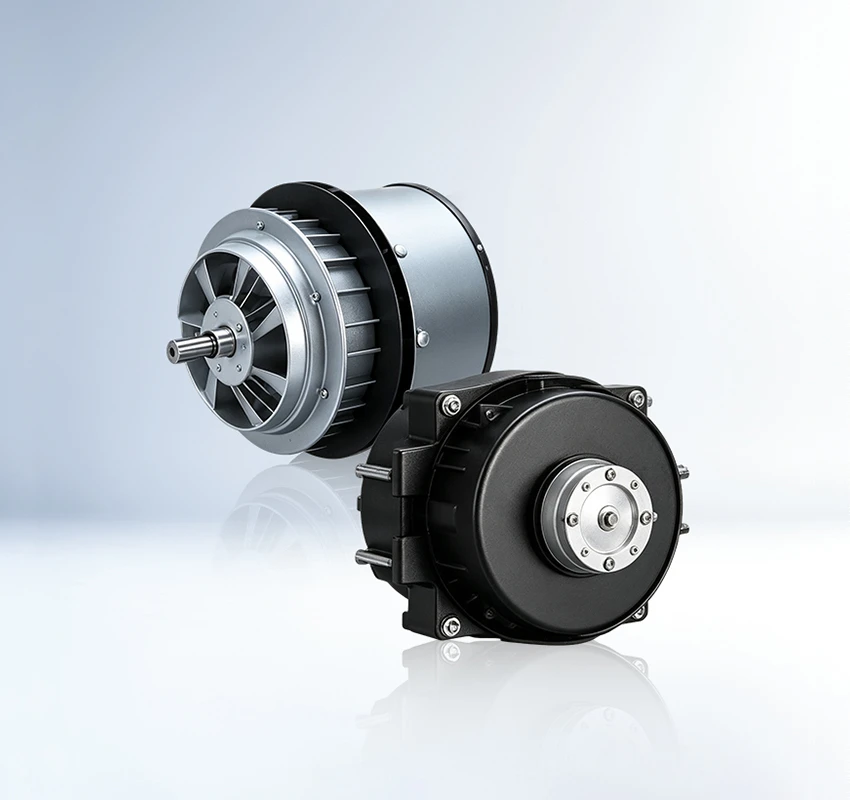
Aimed at Air Purification, the ebm-papst R3G225-8317076415 is a 220 V EC backward-curved centrifugal fan, with a focus on a listed acoustic value of 49 dB. It gives engineers a clear comparison point.

Product Features

Rated Voltage(V)220
Size(mm)225
Max.Air Flow(m³/h)1249
Max.Pressure(Pa)674
Input Power(W)170
Speed(rpm)2875
Noise(db)49

Product Features

Efficient EC Cooling

R3G225-8317076415 is an ebm-papst EC centrifugal fan for HVAC and Ventilation, where controlled heat removal and airflow management must match the actual duty point. Its model-specific format supports OEM builds, retrofit planning and replacement sourcing.

Documented selection points include 220 V supply, 170 W input, 225 mm size, up to 1249 m3/h airflow. These values support electrical, envelope and duty-point comparison.

For procurement, verify voltage, duty point, dimensions, connector and mounting. Correct sizing and clear airflow paths support stable operation, controlled noise and long service life. Confirm speed control, IP protection and approvals in the exact-model datasheet. The listed ratings help buyers screen compatibility before final duty-point review.

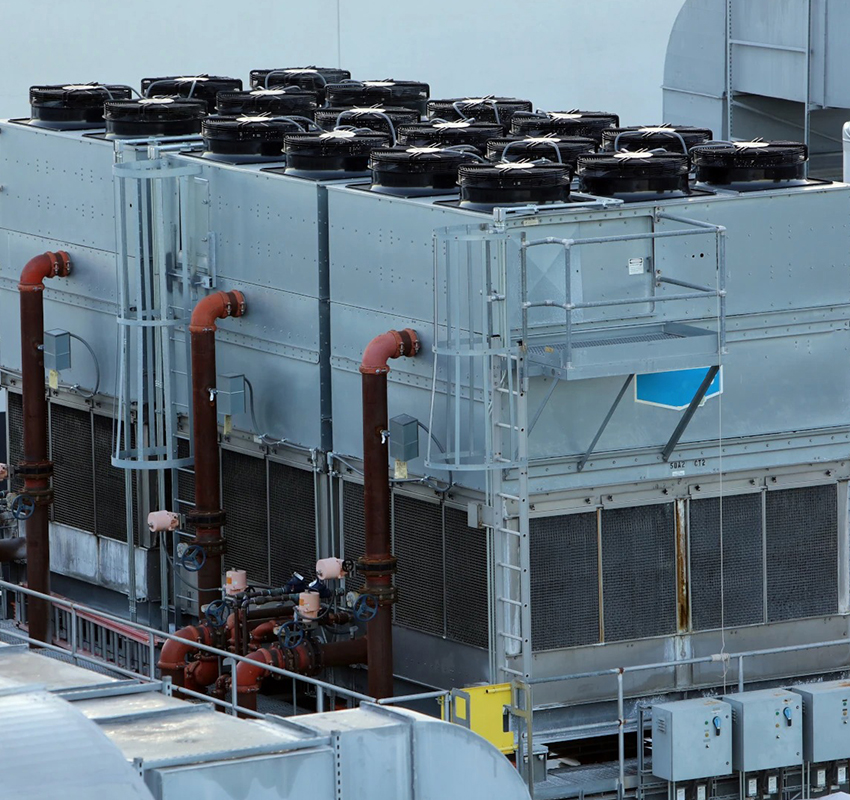
Application Industry

Frequently Asked Questions

Why choose the R3G225-8317076415 for Air Purification?

Its documented 220 V EC backward-curved centrifugal fan configuration provides a traceable match for projects whose electrical and airflow requirements align with the model data.

What performance data is available for the R3G225-8317076415?

The supplied table lists 1,249 m³/h, 674 Pa, 2,875 rpm; use the exact datasheet for the complete operating curve.

Can the R3G225-8317076415 help control total ownership cost?

Correct sizing and operation within documented limits can reduce avoidable thermal stress and maintenance events; project savings require duty-cycle analysis.

Message Form