Get Quote
Home > Products > By type > Axial Fans > S2E250-AF06-12 | ebm-papst 230V 170W AC Axial Fan for Air Handling Cooling

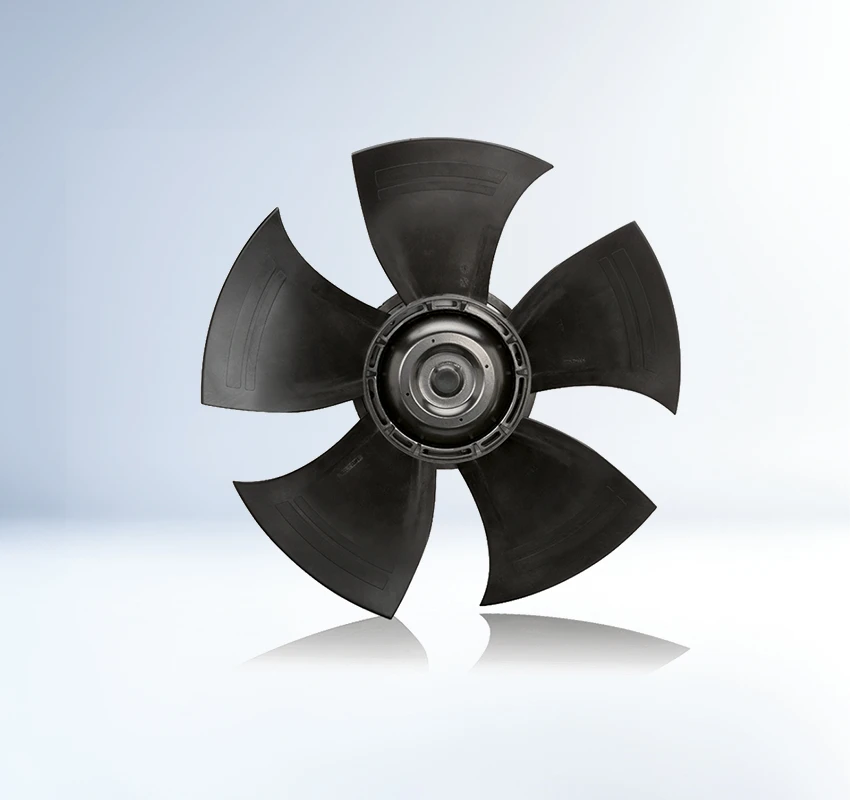
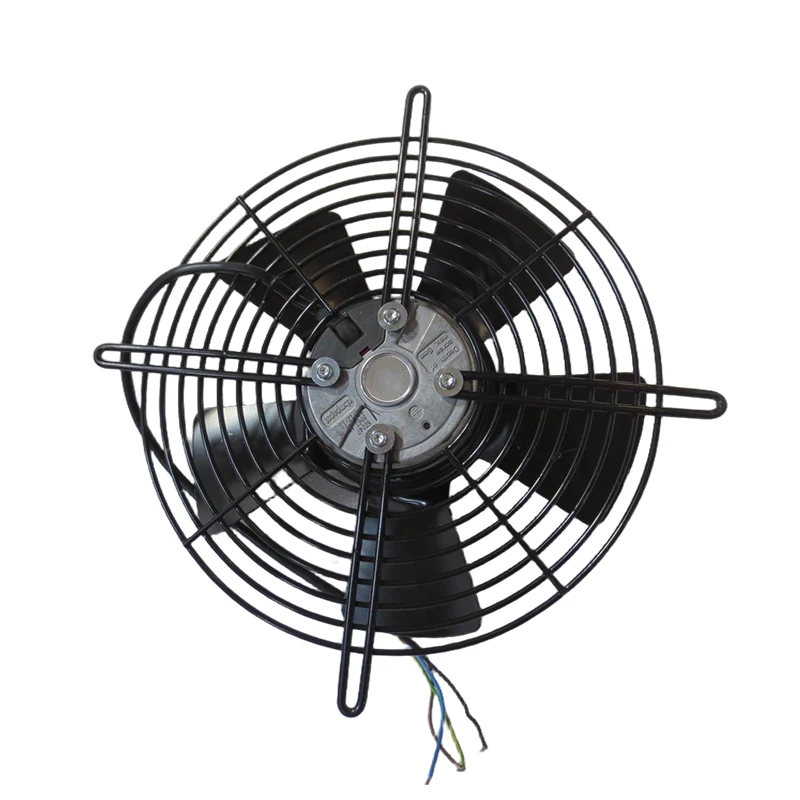
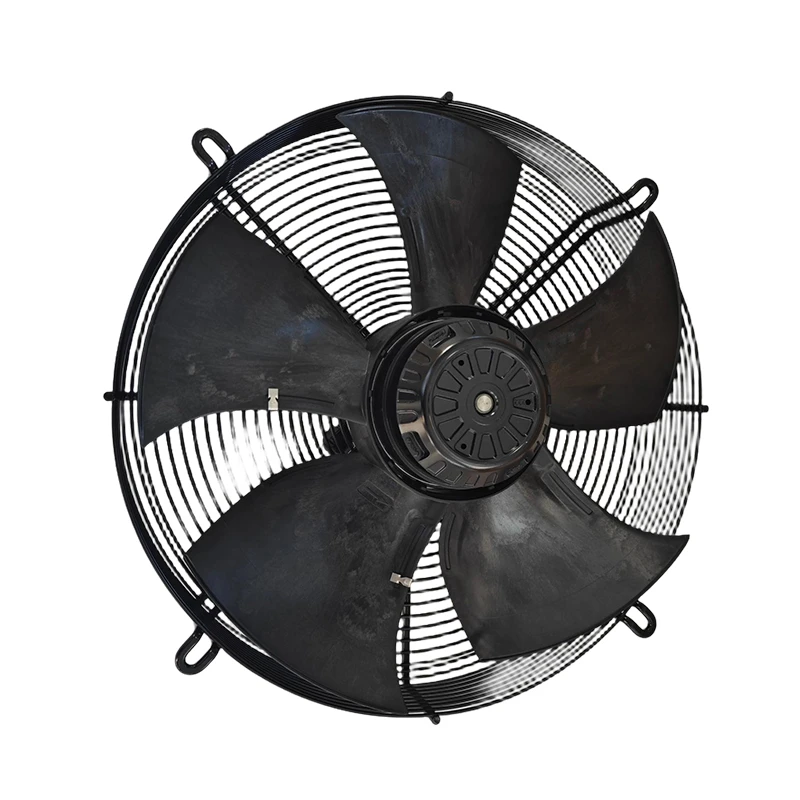
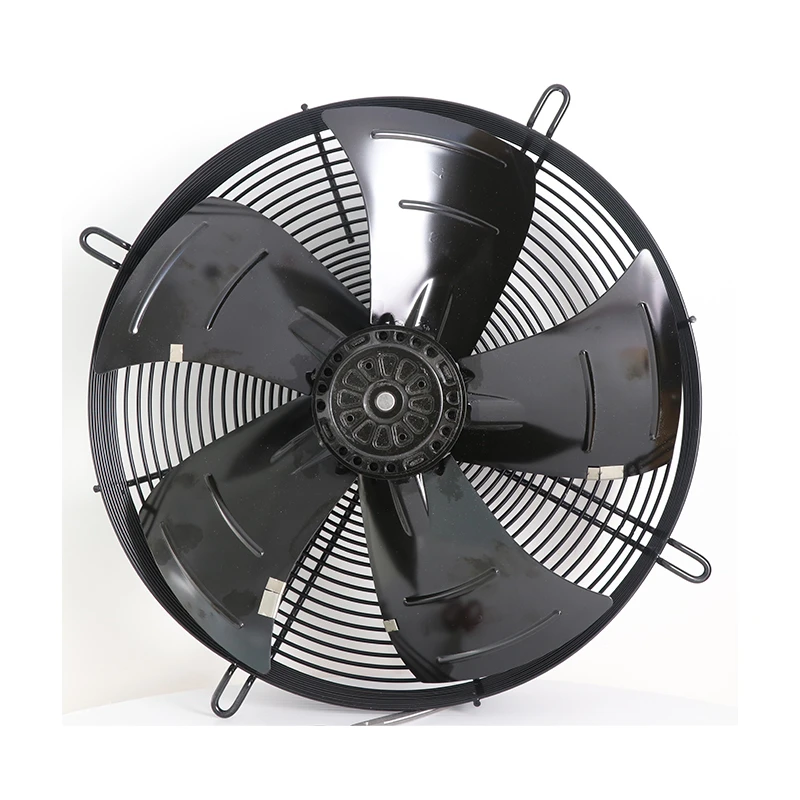
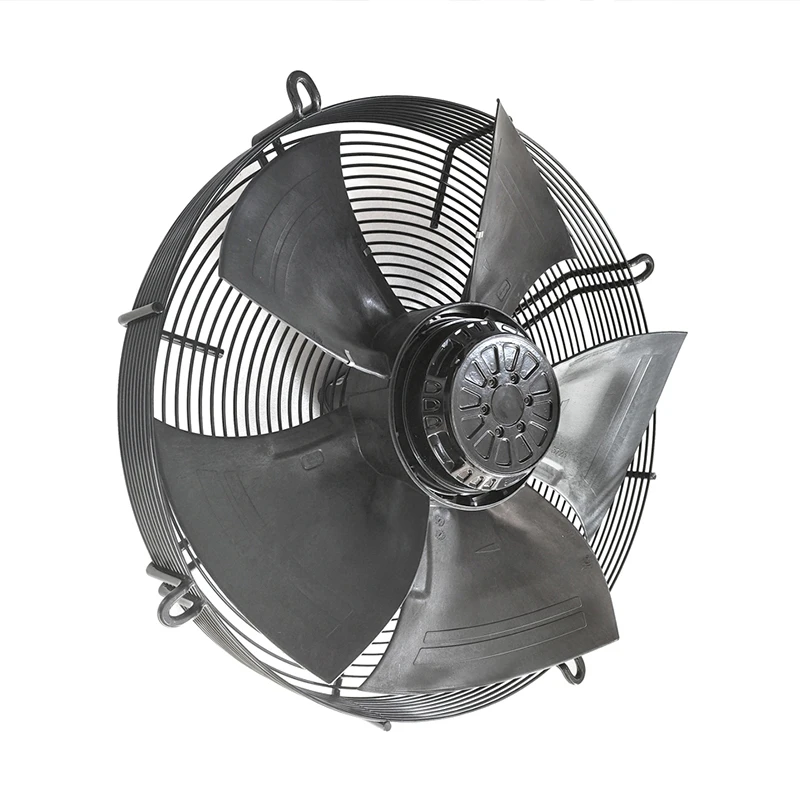
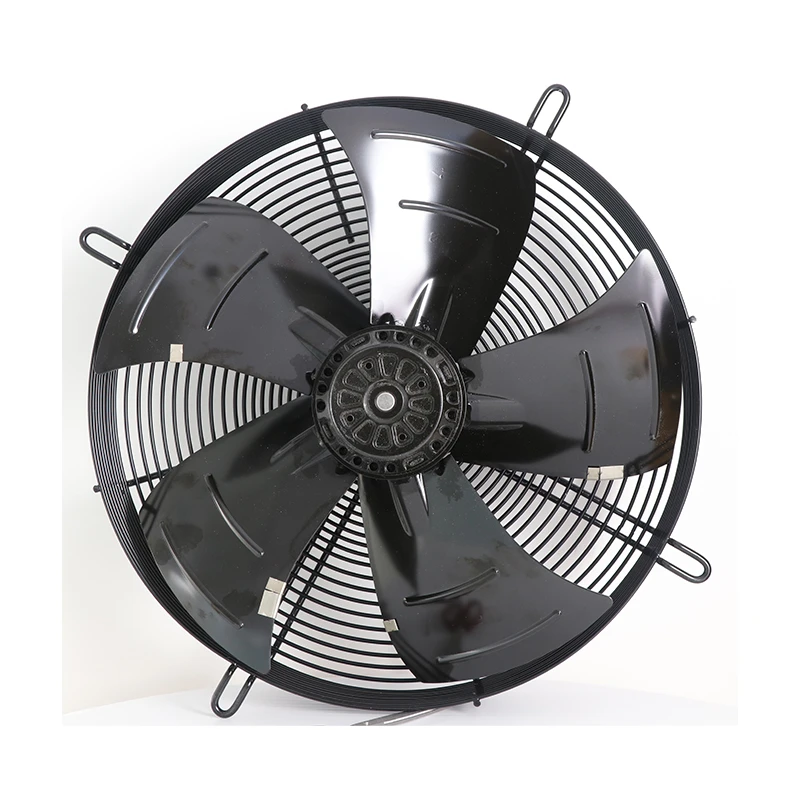
S2E250-AF06-12 ebm-papst Axial Fan

Brand :
ebmpapst
Model:
S2E250-AF06-12 | ebm-papst 230V 170W AC Axial Fan for Air Handling Cooling
Type:
Axial Fans
Industry:
HVAC & Ventilation
Description:

Built for Air Handling Cooling, the ebm-papst S2E250-AF06-12 is a 230 V AC axial fan, whose supplied data highlights 250 mm dimensions for installation planning. The rating aids system-fit checks.

Datasheet:
S2E250-AF06-12 | ebm-papst 230V 170W AC Axial Fan for Air Handling Cooling Datasheet (Pdf)

Product Features

Rated Voltage(V)230
Size(mm)250
Max.Air Flow(m³/h)1020
Input Power(W)170
Speed(rpm)2200

Product Features

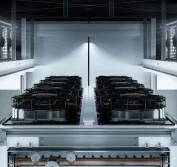
Reliable Blower

The ebm-papst S2E250-AF06-12 is an AC axial fan for hvac systems, providing directed airflow in enclosures and cooling assemblies.

Data includes 230 V operation and airflow up to 1020 m³/h for matching airflow to system resistance. The datasheet lists ball-bearing support, IP44 protection for durable motor support. Installed noise depends on the duty point and airflow path. Correct electrical selection and clear inlet spacing support efficient cooling, reliable operation and long fan life.

Suitable for OEM engineers, manufacturers and maintenance buyers, the S2E250-AF06-12 should be checked for wiring, mounting, duty point and ambient limits before selection. Its documented operating data supports model comparison, replacement planning and purchasing review.

Application Industry

Frequently Asked Questions

What distinguishes the S2E250-AF06-12 from a general-purpose fan?

Its AC axial fan configuration and 250 mm dimensions for installation planning provide model-specific criteria for matching Air Handling Cooling systems.

How should the S2E250-AF06-12 be checked for compatibility?

Compare 250 mm, 230 V, 170 W plus mounting, connector and duty-point requirements.

Can the S2E250-AF06-12 help control total ownership cost?

Correct sizing and operation within documented limits can reduce avoidable thermal stress and maintenance events; project savings require duty-cycle analysis.

Message Form