Get Quote
Home > Products > By type > Axial Fans > W2D160-EB22-12 | ebm-papst 400V 44W AC Axial Fan for Equipment Cooling

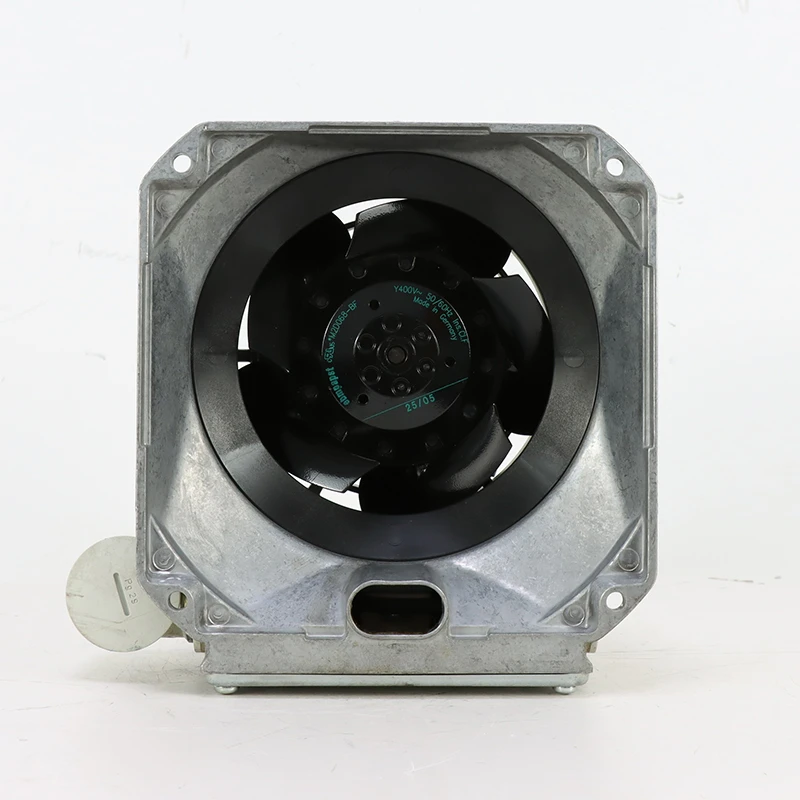
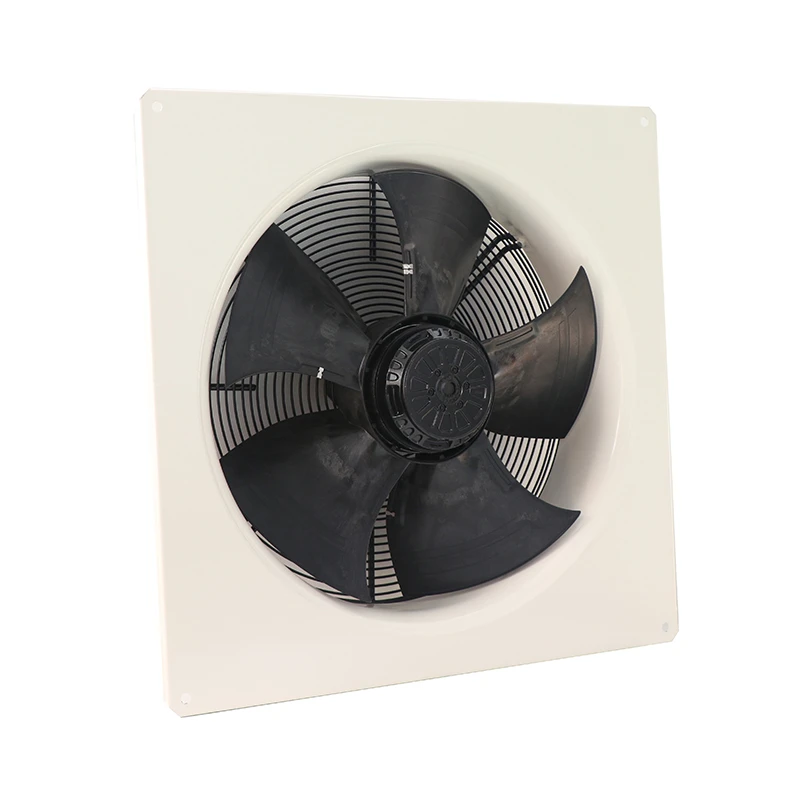
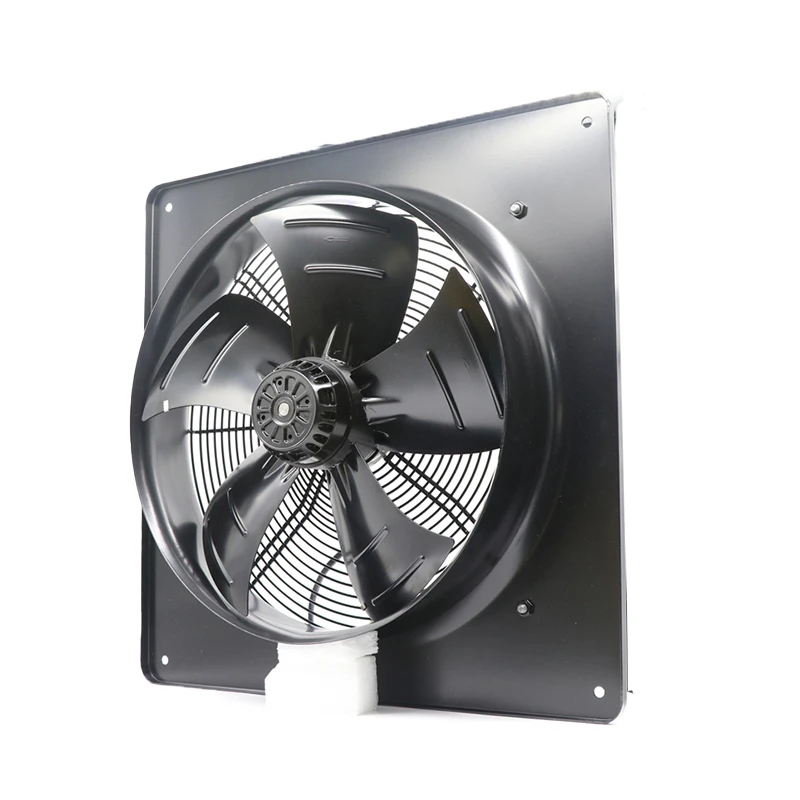
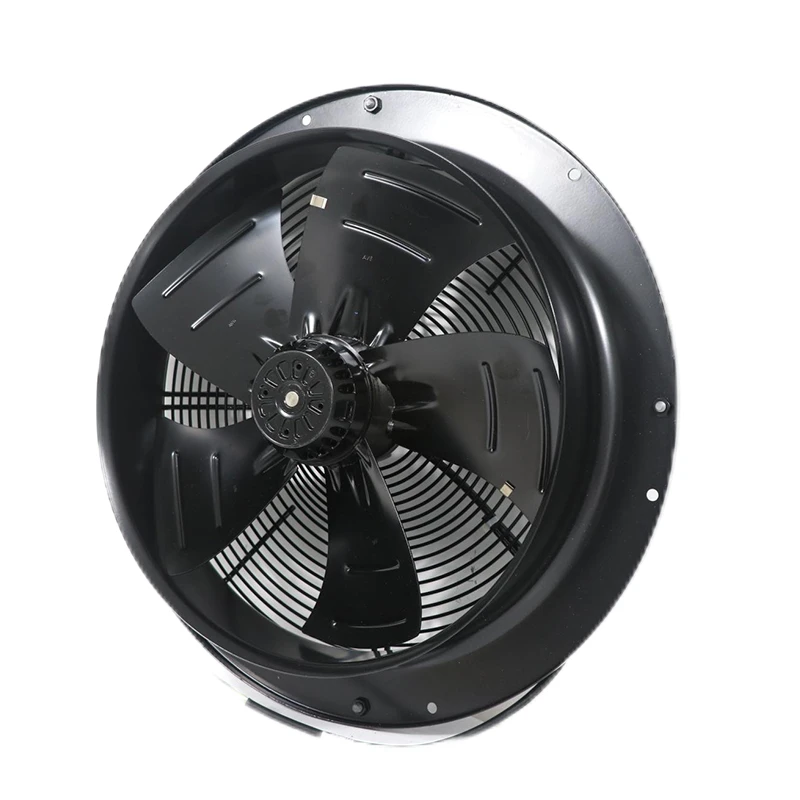
W2D160-EB22-12 ebm-papst Axial Fan

Brand :
ebmpapst
Model:
W2D160-EB22-12 | ebm-papst 400V 44W AC Axial Fan for Equipment Cooling
Type:
Axial Fans
Industry:
Automation
Description:

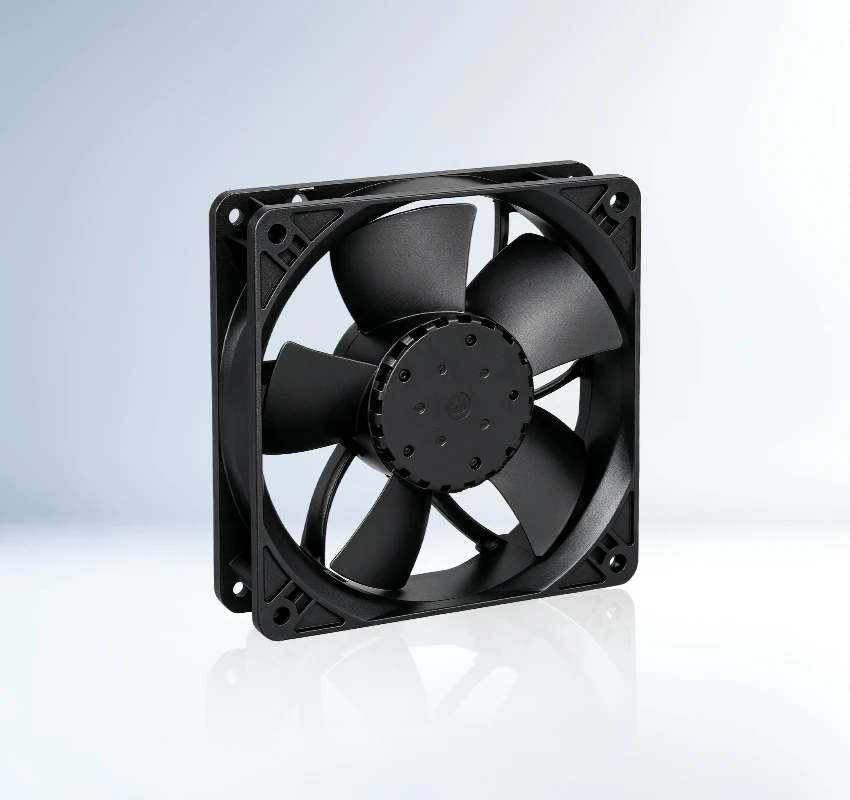
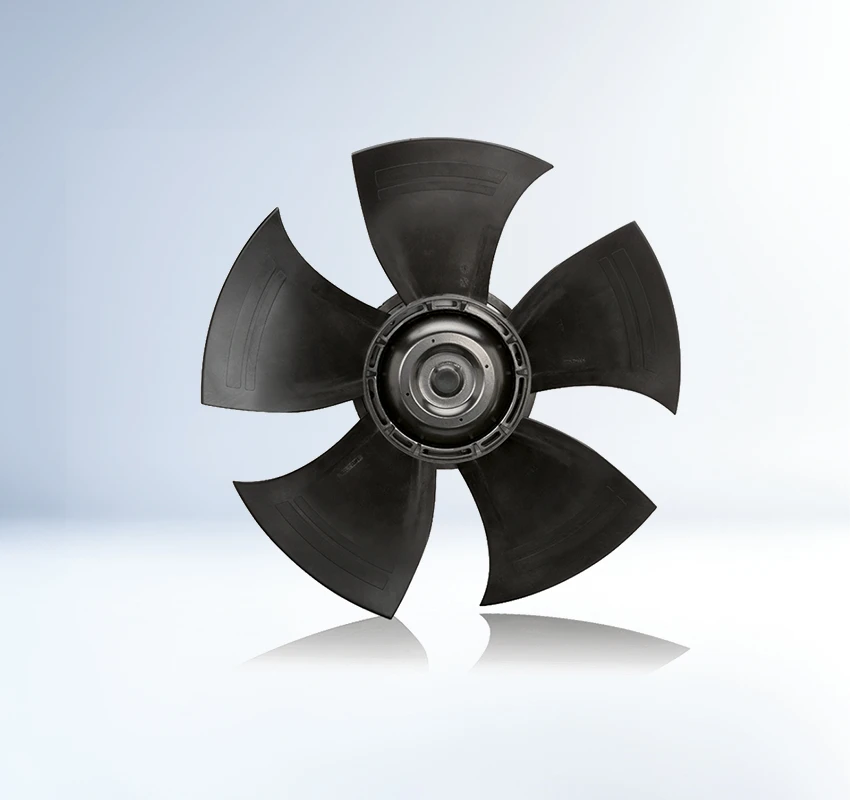
Specified for Equipment Cooling, the ebm-papst W2D160-EB22-12 is a 400 V AC axial fan, identified by 160 mm dimensions for installation planning. It gives engineers a clear comparison point.

Datasheet:
W2D160-EB22-12 | ebm-papst 400V 44W AC Axial Fan for Equipment Cooling Datasheet (Pdf)

Product Features

Rated Voltage(V)400
Size(mm)160
Max.Air Flow(m³/h)290
Input Power(W)44
Speed(rpm)2800

Product Features

Reliable Blower

The ebm-papst W2D160-EB22-12 is an AC axial fan for motor cooling, helping equipment designers establish dependable internal air circulation.

Data includes 400 V operation and airflow up to 290 m³/h to give procurement teams a clearer basis for technical model comparison. The datasheet lists ball-bearing support for durable motor support. Installed noise depends on the duty point and airflow path. Correct installation conditions help convert documented performance into reliable equipment-level heat removal.

Technical buyers can evaluate W2D160-EB22-12 by confirming the intended duty point, mounting, electrical connection and installation limits. This verified model profile guides procurement screening during OEM development while preserving model traceability.

Application Industry

Frequently Asked Questions

What is the representative feature of the W2D160-EB22-12?

The supplied comparison identifies 160 mm dimensions for installation planning; review it together with the other listed ratings rather than as a standalone selection criterion.

Is the W2D160-EB22-12 easy to maintain?

Provide service access, keep the airflow path clean, inspect wiring and mounting, and investigate abnormal noise or vibration before continued use.

Can the W2D160-EB22-12 help control total ownership cost?

Correct sizing and operation within documented limits can reduce avoidable thermal stress and maintenance events; project savings require duty-cycle analysis.

Message Form