Get Quote
Home > Products > By type > Axial Fans > W2E142-BB01-01 | ebm-papst 230V 27W AC Axial Fan for New Energy Cooling

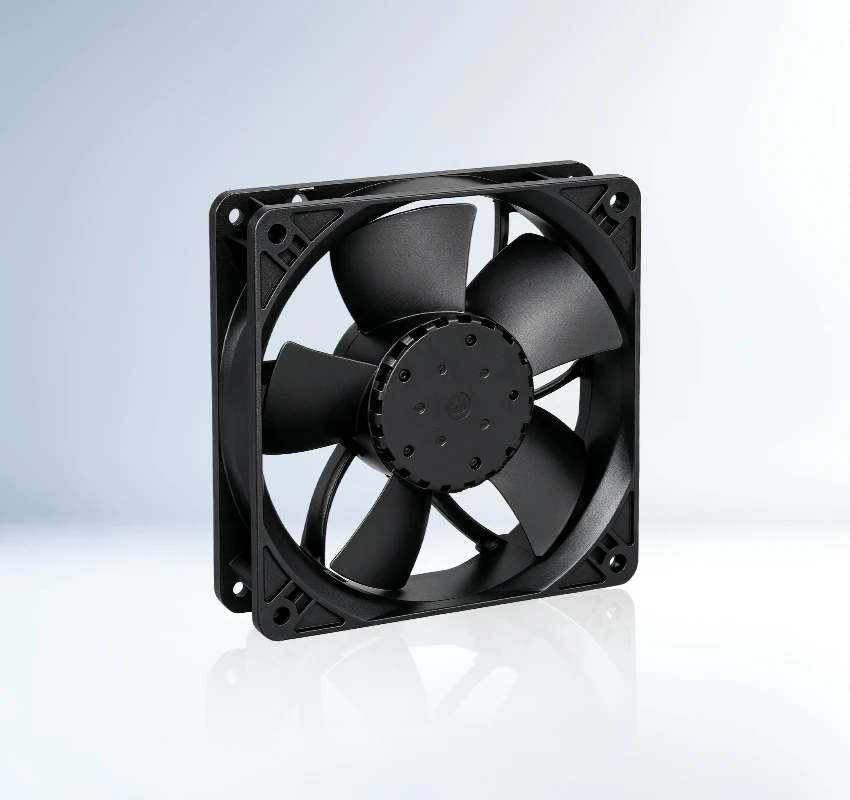
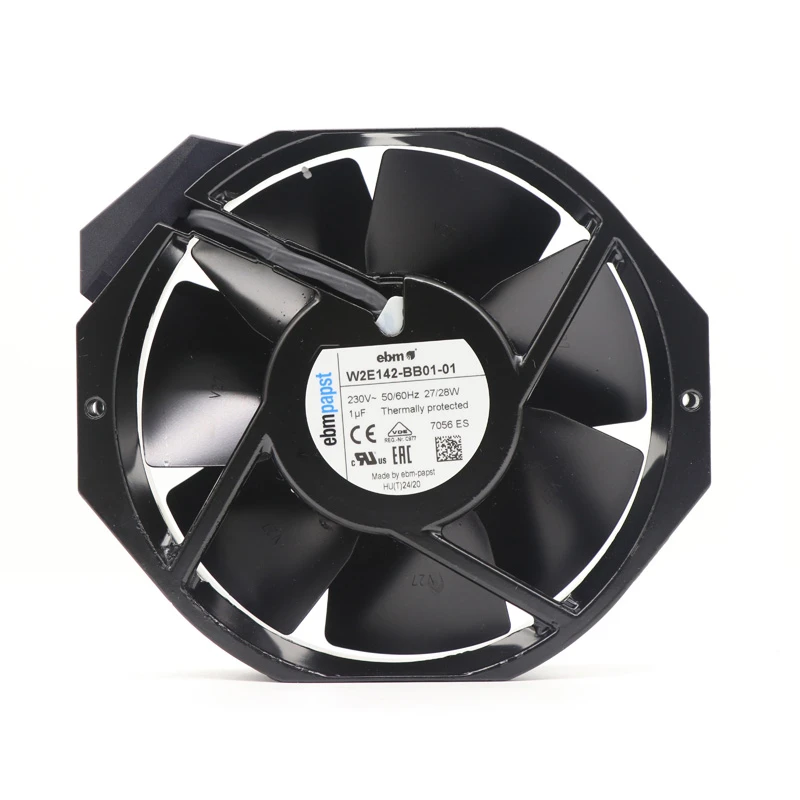
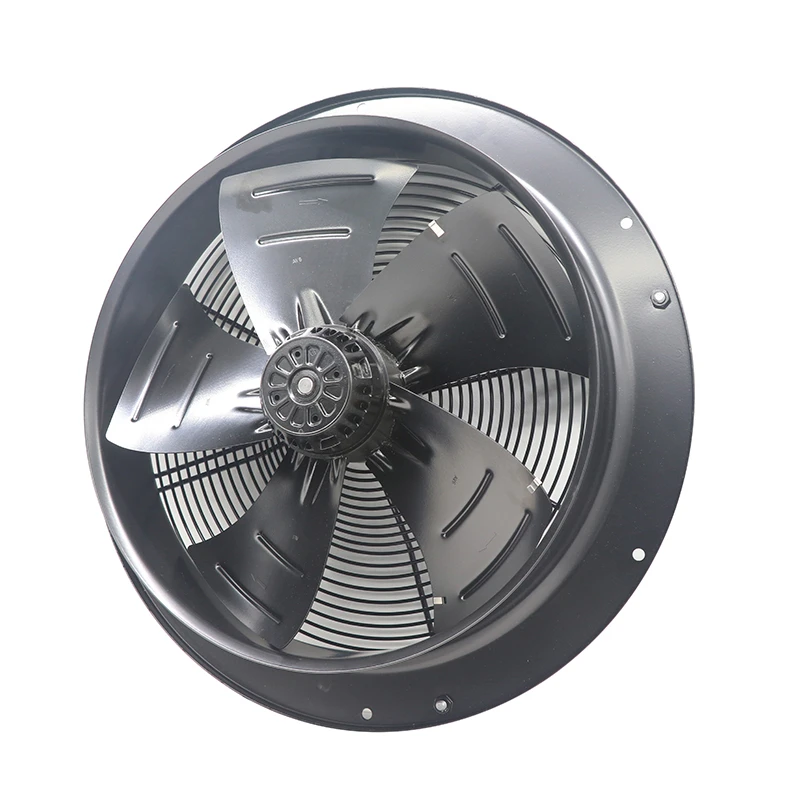
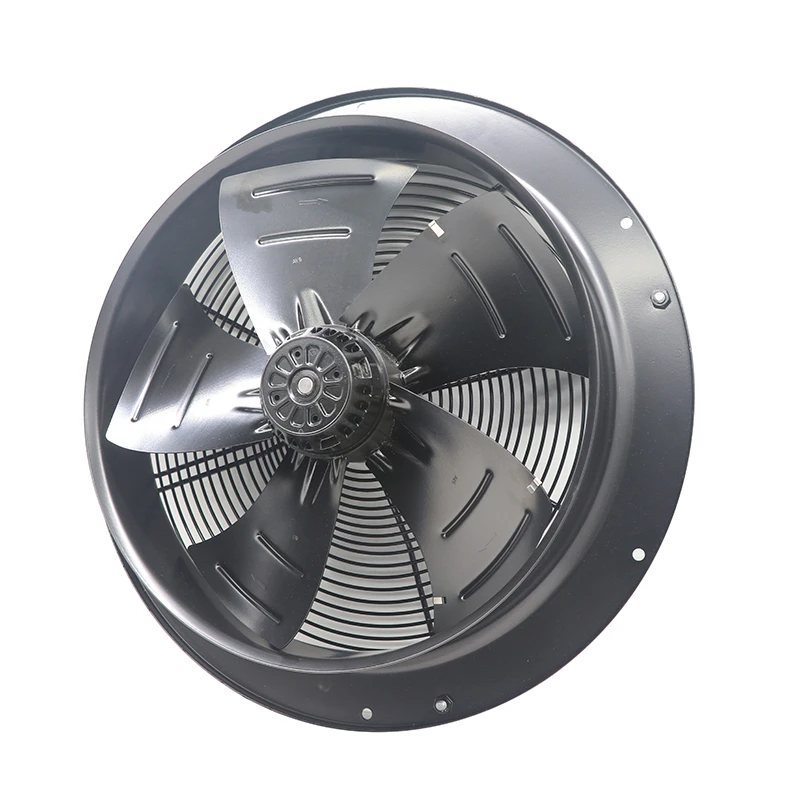
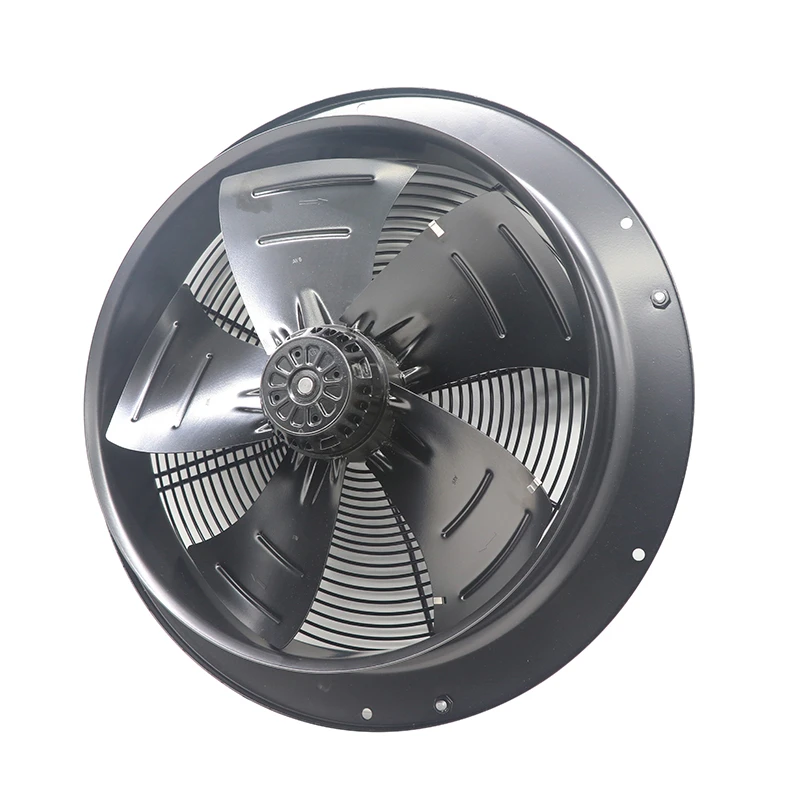
W2E142-BB01-01 ebm-papst Axial Fan

Brand :
ebmpapst
Model:
W2E142-BB01-01 | ebm-papst 230V 27W AC Axial Fan for New Energy Cooling
Type:
Axial Fans
Industry:
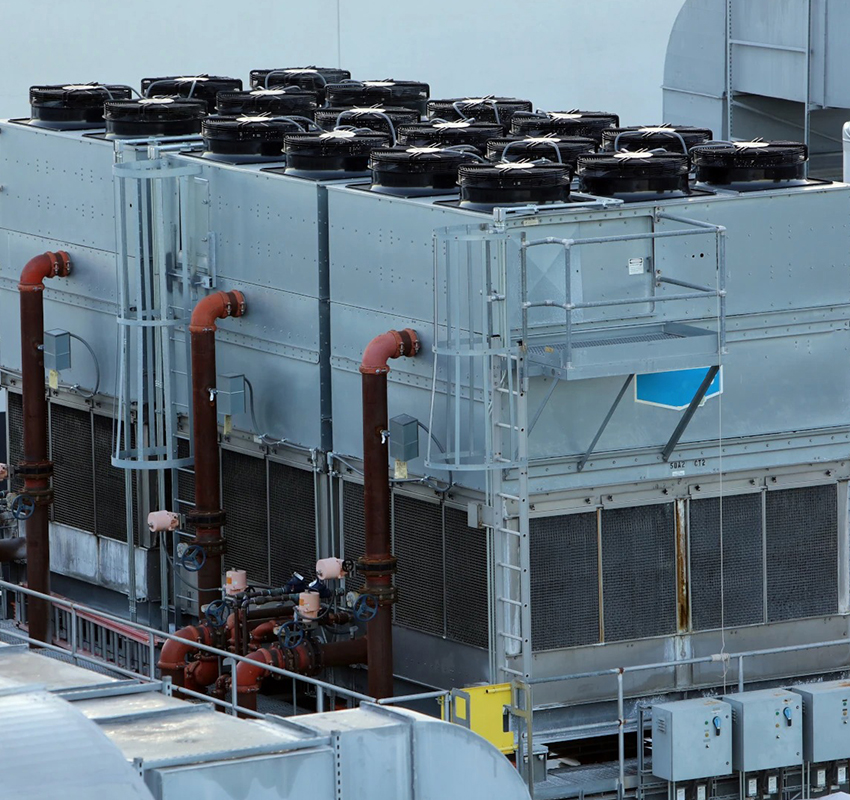
New Energy
Description:

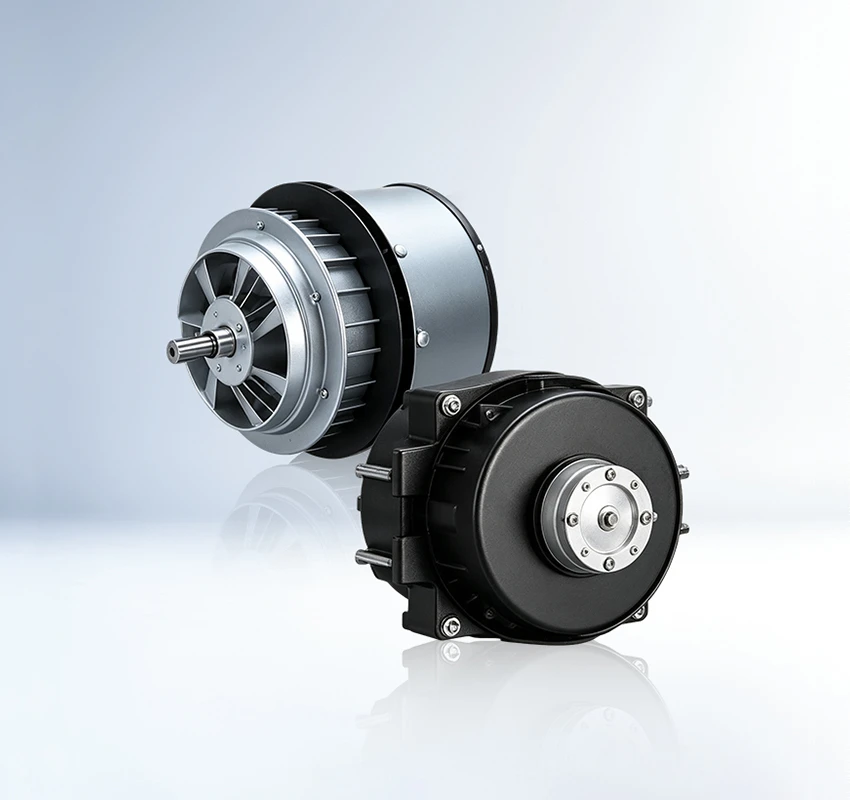
Supporting New Energy Cooling, ebm-papst W2E142-BB01-01 is a 230 V AC axial fan, with a documented 27 W input rating. It provides a practical sizing reference. Its documented data supports integration planning.

Datasheet:
W2E142-BB01-01 | ebm-papst 230V 27W AC Axial Fan for New Energy Cooling Datasheet (Pdf)

Product Features

Rated Voltage(V)230
Size(mm)150φ*38
Max.Air Flow(m³/h)320
Max.Pressure(Pa)50
Input Power(W)27
Speed(rpm)2830

Product Features

Reliable Blower

The ebm-papst W2E142-BB01-01 is an AC axial fan for industrial cooling, creating a practical airflow route across heat-producing assemblies.

Data includes 230 V operation, airflow up to 320 m³/h and pressure up to 50 Pa to support evidence-based matching of ventilation demand and pressure loss. The datasheet lists ball-bearing support, sheet-steel impeller for durable motor support. Installed noise depends on the duty point and airflow path. Maintaining the intended air channel and electrical limits helps the fan deliver repeatable cooling over extended duty.

Its product-level documentation helps align sourcing and engineering during OEM development with fewer ambiguities at handover. The resulting specification is easier to review across prototype, production and maintenance stages.

Application Industry

Frequently Asked Questions

Is inventory stable for the W2E142-BB01-01?

The workbook marks it In Stock, but quantity and lead time should be reconfirmed at quotation because availability can change.

What supply voltage does the W2E142-BB01-01 require?

The supplied table lists 230 V. Verify supply type, frequency, wiring and permissible tolerances before commissioning.

Can the W2E142-BB01-01 run continuously in 24/7 equipment?

Continuous operation must remain within the published electrical, thermal and aerodynamic limits; confirm the exact datasheet and system conditions.

Message Form