Get Quote
Home > Products > By type > Axial Fans > W2S130-AA03-64 | ebm-papst 230V 39W AC Axial Fan for Air Handling Cooling

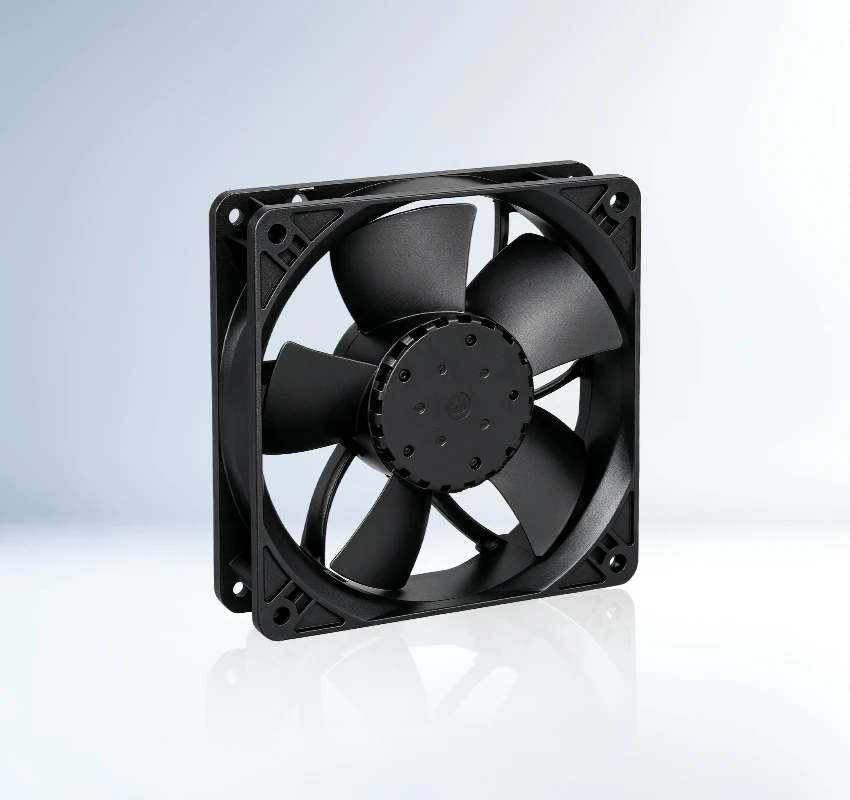
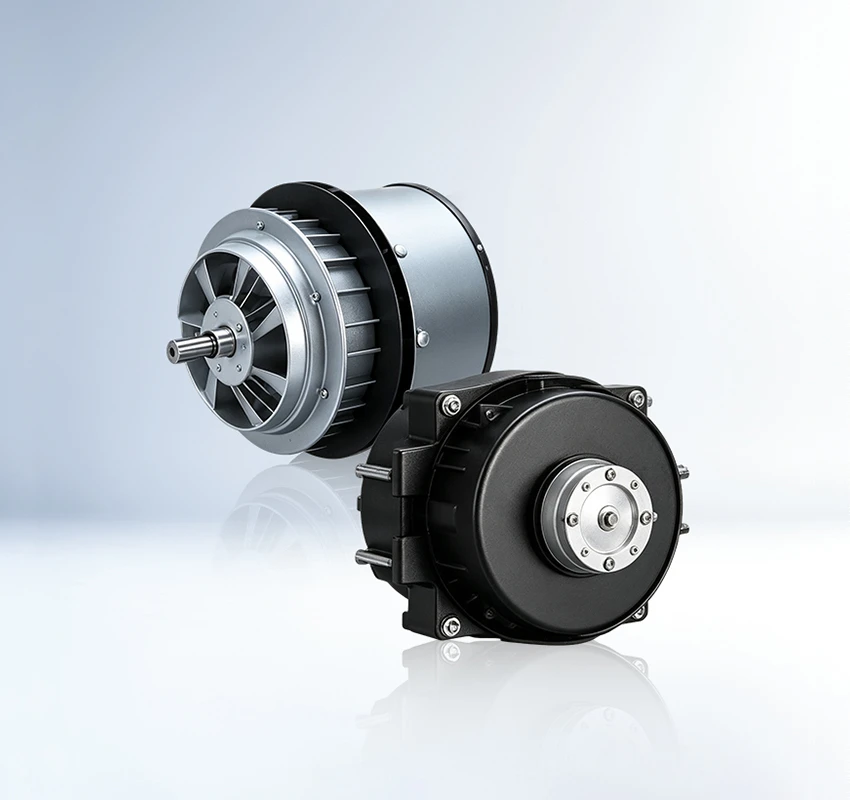
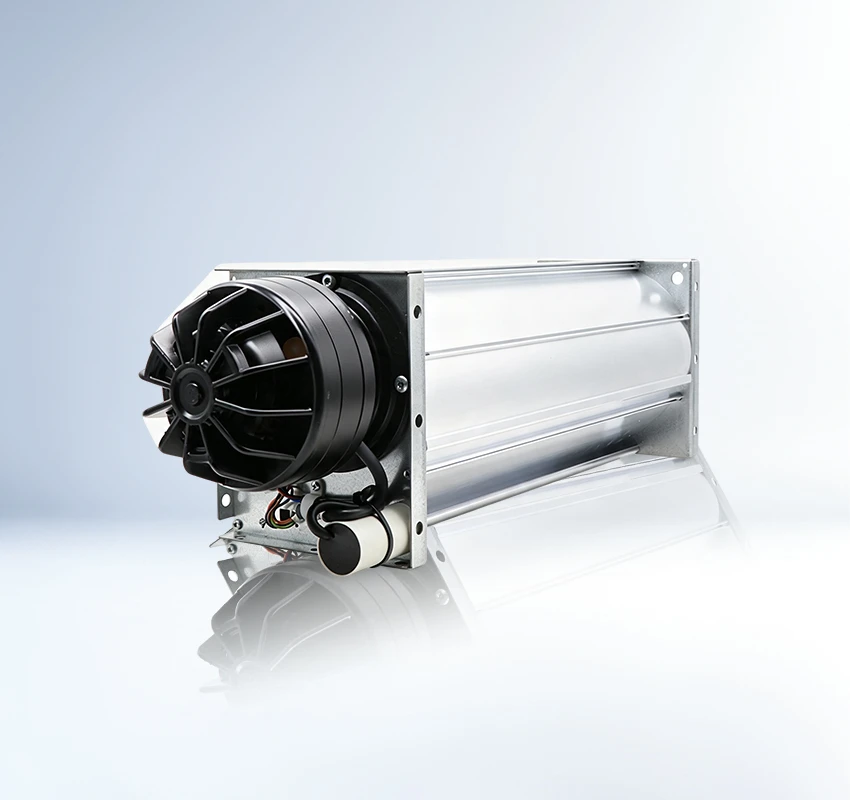
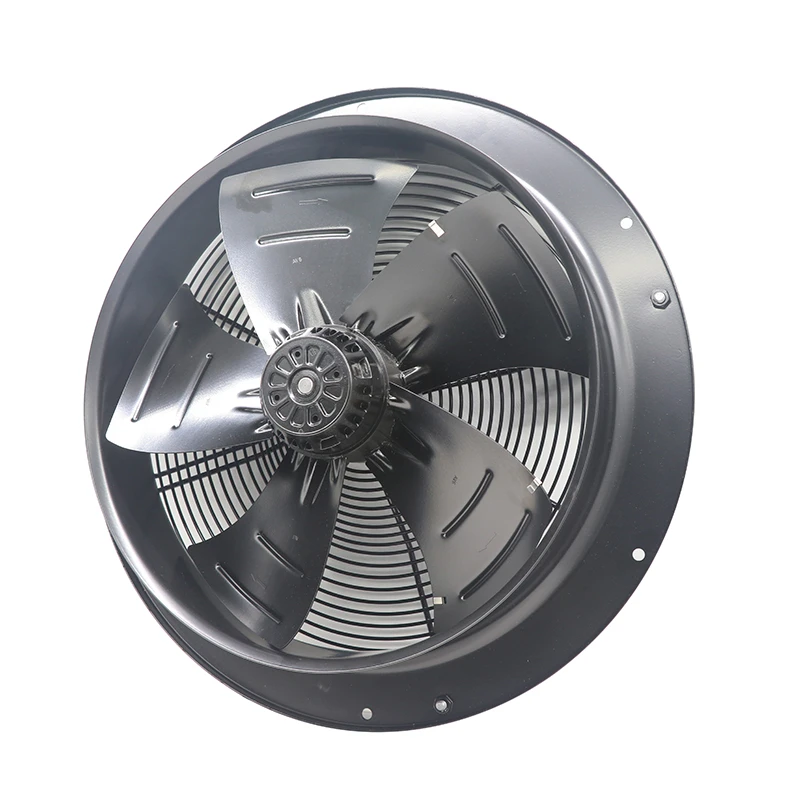
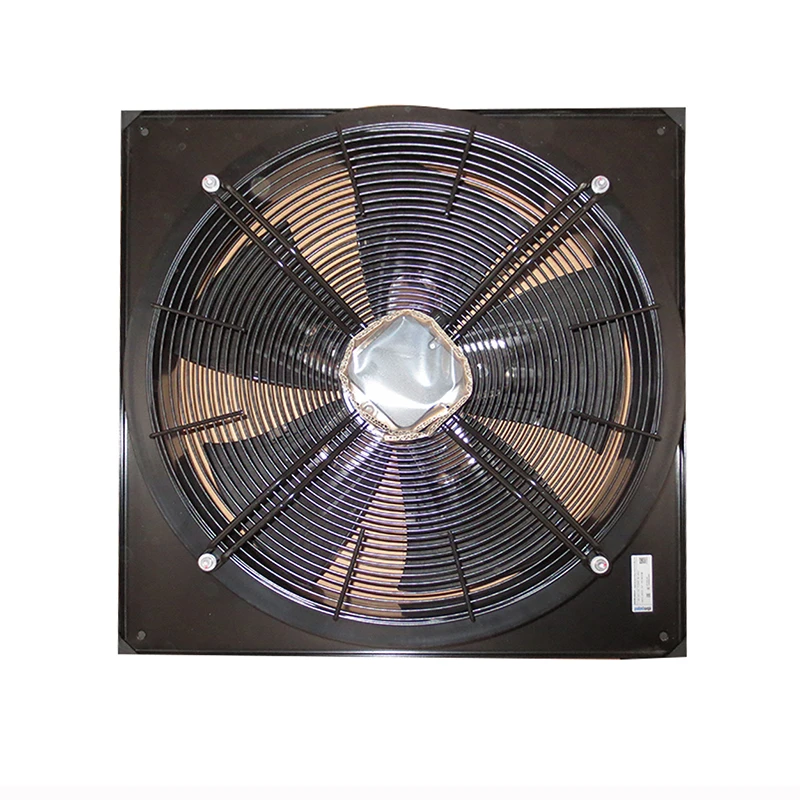
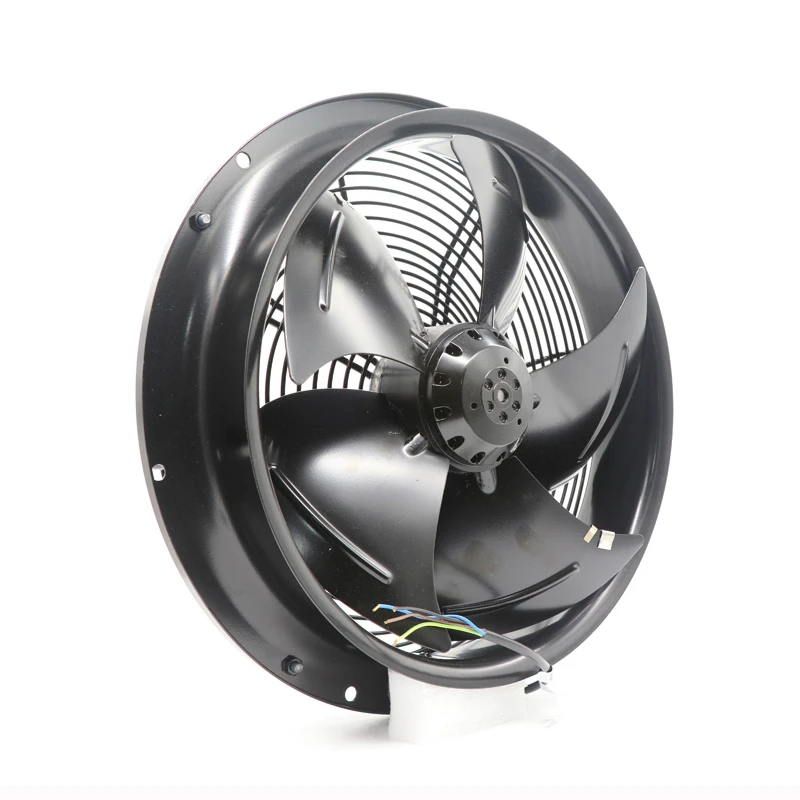
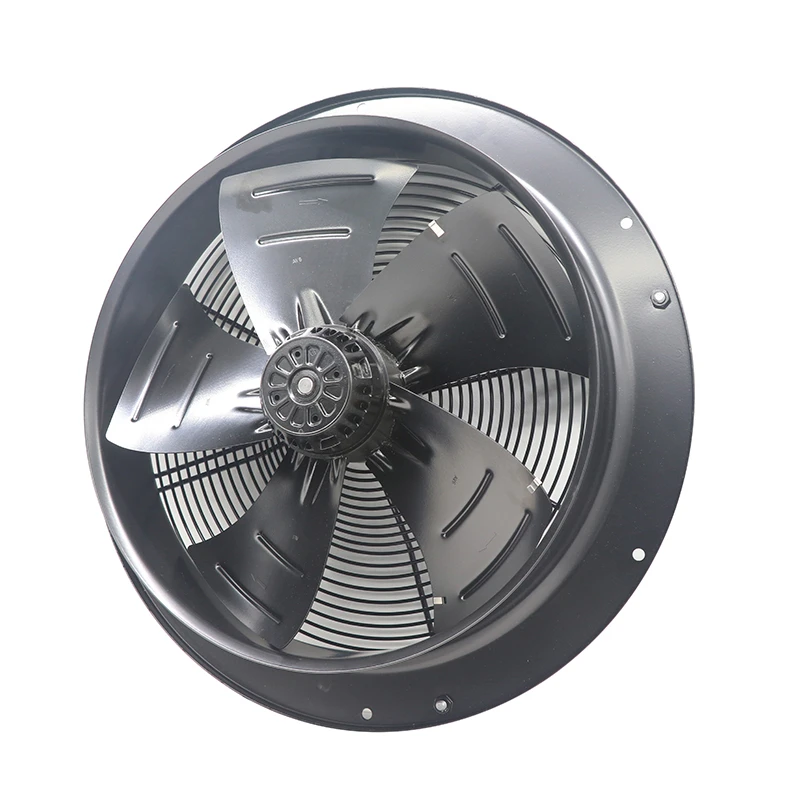
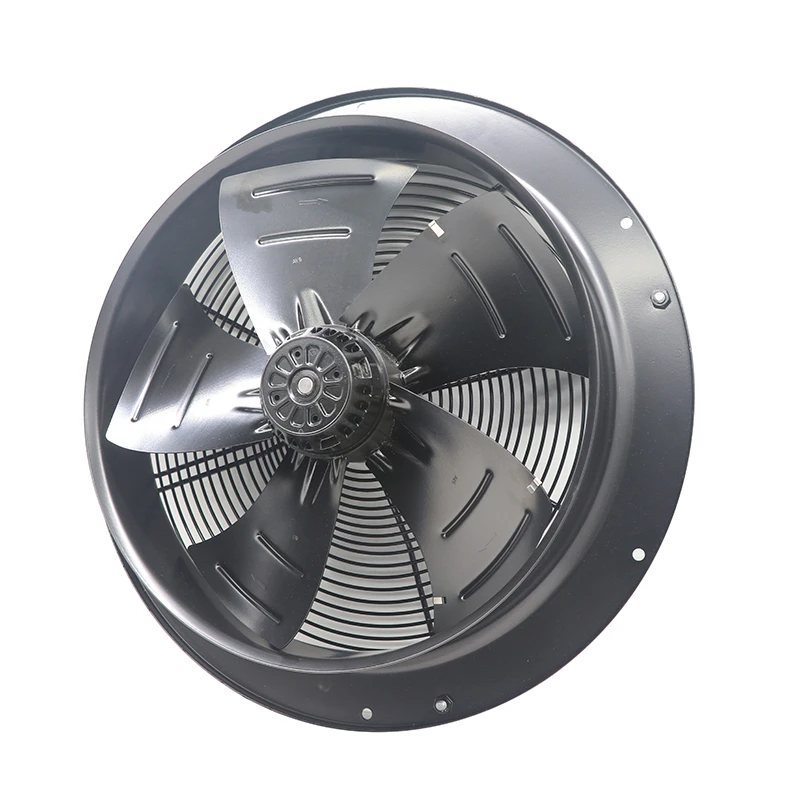
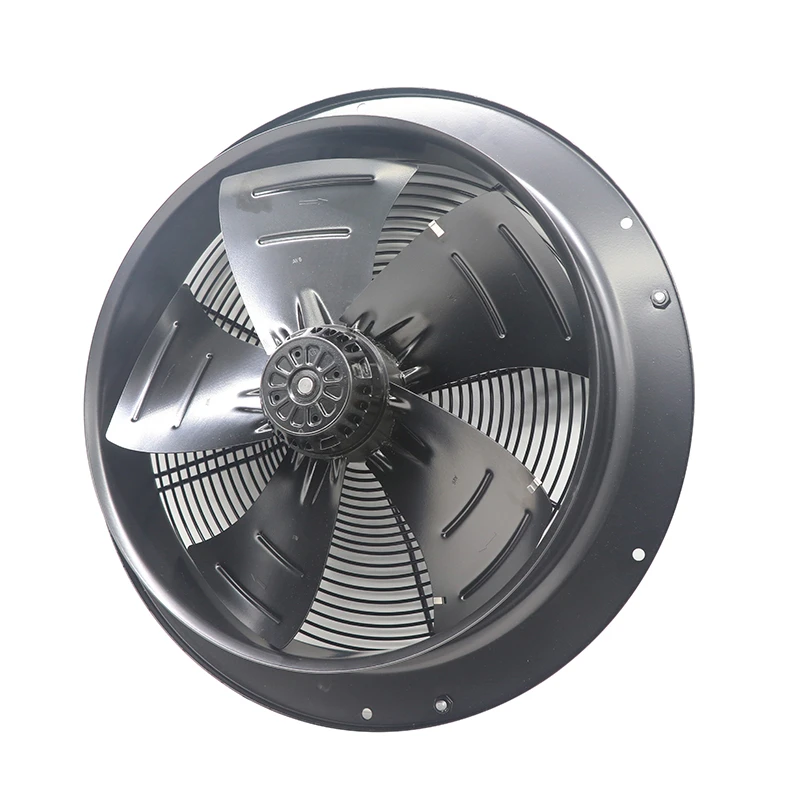
W2S130-AA03-64 ebm-papst Axial Fan

Brand :
ebmpapst
Model:
W2S130-AA03-64 | ebm-papst 230V 39W AC Axial Fan for Air Handling Cooling
Type:
Axial Fans
Industry:
HVAC & Ventilation
Description:

Chosen for Air Handling Cooling, ebm-papst W2S130-AA03-64 is a 230 V AC axial fan, centered on a documented speed of 3,250 rpm. This clarifies the model's listed capability. Its documented data supports integration planning.

Datasheet:
W2S130-AA03-64 | ebm-papst 230V 39W AC Axial Fan for Air Handling Cooling Datasheet (Pdf)

Product Features

Rated Voltage(V)230
Size(mm)172*150*55
Max.Air Flow(m³/h)390
Max.Pressure(Pa)75
Input Power(W)39
Speed(rpm)3250

Product Features

Reliable Blower

The ebm-papst W2S130-AA03-64 is an AC axial fan for hvac systems, supporting a defined air path through compact equipment and cooling modules.

Data includes 230 V operation, airflow up to 390 m³/h and pressure up to 75 Pa to support evidence-based matching of ventilation demand and pressure loss. Installed noise depends on the duty point and airflow path. The datasheet lists ball-bearing support, IP20 protection for durable motor support. A suitable electrical match and clean airflow entry reduce avoidable losses and support dependable long-term duty.

The available technical basis provides an audit trail during OEM development with clearer fit and interface checks. Its technical record supports consistent model identification during sourcing and lifecycle service work.

Application Industry

Frequently Asked Questions

How should the W2S130-AA03-64 be checked for compatibility?

Compare 230 V, 39 W plus mounting, connector and duty-point requirements.

How should buyers select the W2S130-AA03-64 for an operating point?

Match required airflow and pressure on the exact performance curve, then verify voltage, power, dimensions and environmental limits.

Can the W2S130-AA03-64 help control total ownership cost?

Correct sizing and operation within documented limits can reduce avoidable thermal stress and maintenance events; project savings require duty-cycle analysis.

Message Form