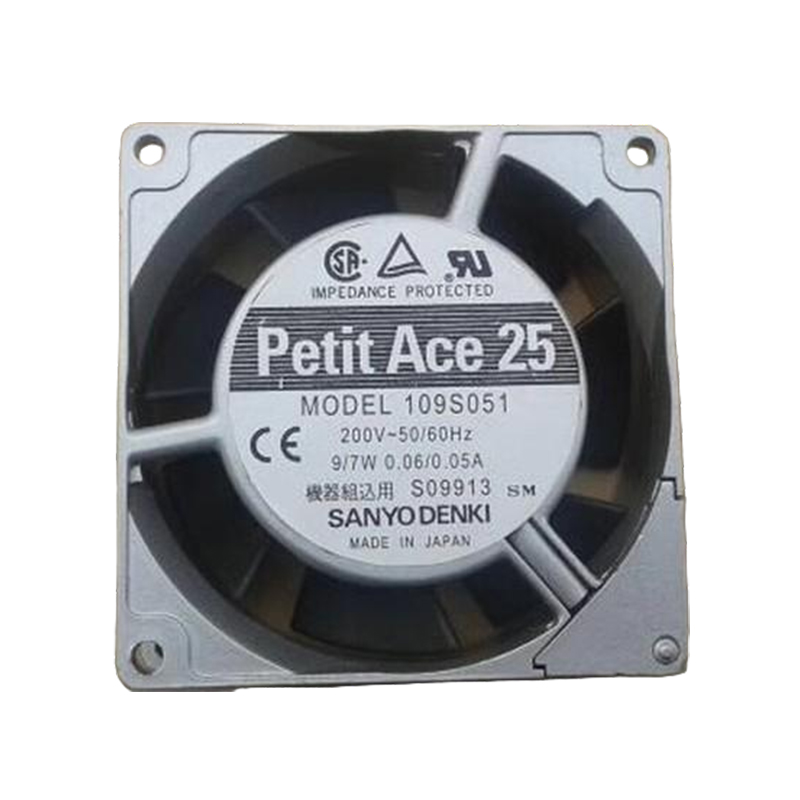
The 109S051 is a Sanyo Denki 200 VAC, 80 × 80 × 25 mm AC axial fan for servers, UPS systems, and telecom equipment. Series options require suffix verification. For compatibility checking, start with the supplied pressure capability. Review connector, alarm, and sensor options separately. Focus: service access planning installation footprint.
| Rated Voltage(V) | 200 |
|---|---|
| Size(mm) | 80*80*25 |
| Max.Air Flow(m³/h) | 37.8/45.6 |
| Max.Pressure(Pa) | 27.5/38.3 |
| Input Power(W) | 9/7 |
| Speed(rpm) | 2650/3100 |
| Noise(db) | 30/33 |
For automation controls, PLC cabinets and drive systems, the SANYO DENKI 109S051 provides AC axial fan cooling in an integration-ready format. It establishes an active air path through restricted equipment spaces.
With up to 37.8/45.6 m3/h airflow and 27.5/38.3 Pa static pressure, the model can move cooling air through vents, filters and compact internal passages. Selection should include a system-resistance review, mounting check and harness confirmation. The full model code matters because signal and lead options can differ within a series.
Verify the mating connector and lead reach. This confirms cooling margin before volume production. Confirm the final fan curve in the assembled equipment.
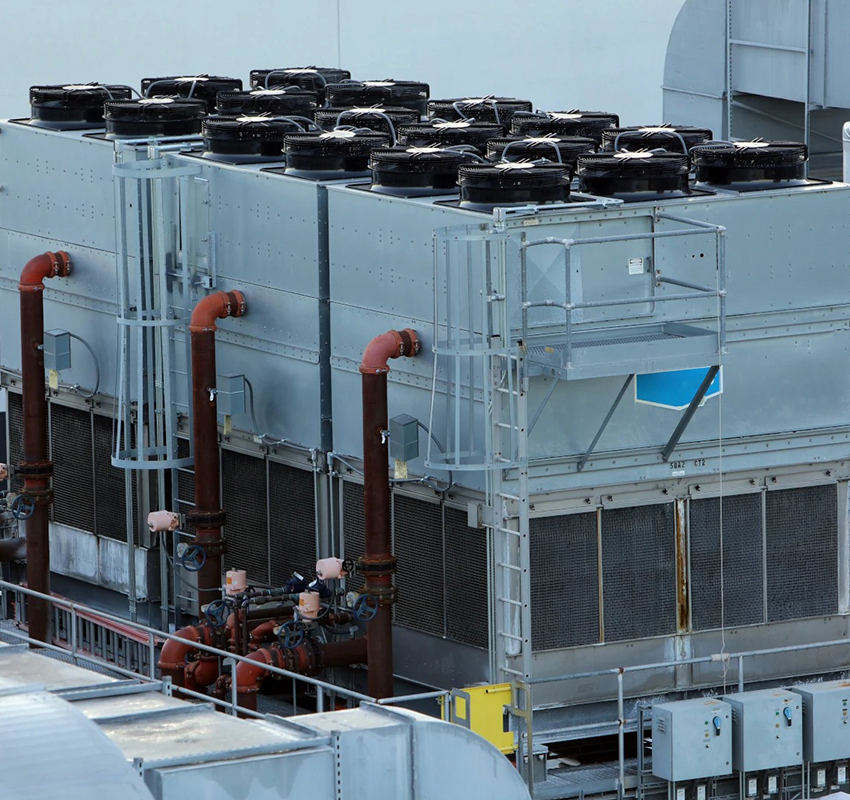
The San Ace 109S051 supports thermal management in automation and electrical control cabinets. These systems need continuous heat removal because compact layouts and rising power density restrict natural convection. The application supports stable equipment service.
For PLC and motion-control equipment, 109S051 provides a dedicated forced-air cooling path. These systems need continuous heat removal because compact layouts and rising power density restrict natural convection. The application supports stable equipment service.
SANYO DENKI 109S051 serves inverters and industrial drive systems that operate with sustained internal heat. These systems need continuous heat removal because compact layouts and rising power density restrict natural convection. The application supports stable equipment service.
Use rated voltage, 80 × 80 × 25 mm dimensions, 37.8/45.6 m³/h airflow, 2650/3100 rpm, and 9/7 W input for preliminary comparison.
The workbook marks it RoHS compliant. Confirm model-specific UL, CSA, TÜV, or other required approvals from official documentation.
Match voltage, size, mounting, airflow direction, airflow, pressure, connector, control signal, and protection before substitution.
The worksheet lists 37.8/45.6 m³/h. Compare the operating point with system resistance and the official performance curve.
Its 200 VAC rating and documented 27.5/38.3 pa maximum pressure is the most distinctive duty-point parameter. provide model-specific selection data without relying on unlisted claims.
The worksheet lists 9/7 W. Check supply capacity and operating conditions before commissioning.

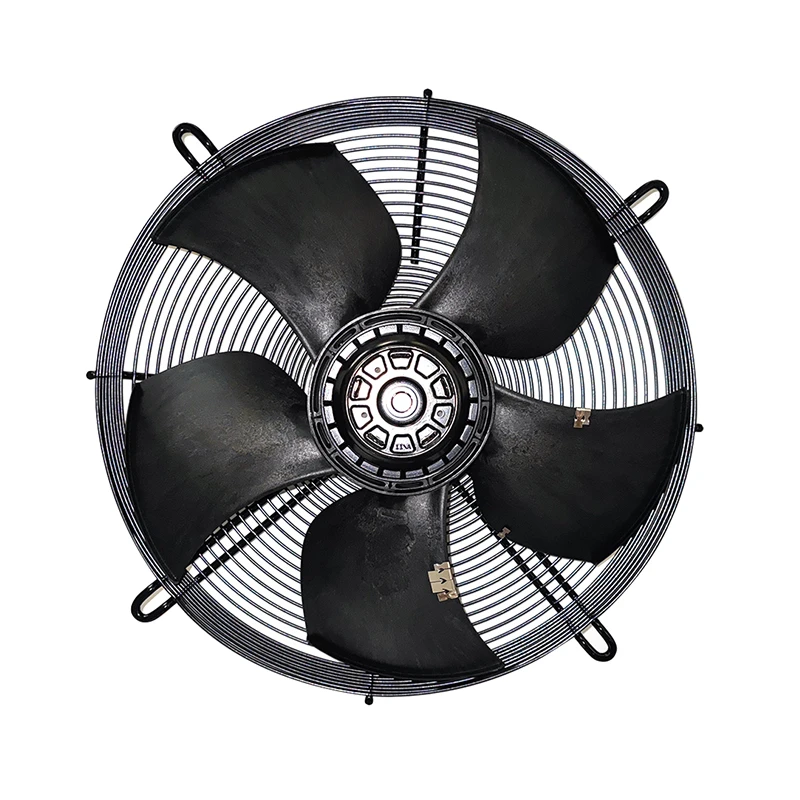
Selected for Refrigeration Cooling, ebm-papst S4D450-AU01-01 is a 400 V AC axial fan, with a focus on a documented 205 W input rating. It gives engineers a clear comparison point. Its documented data supports integration planning.
Read More
Suited to Refrigeration Cooling, the ebm-papst S4D350-AP08-30 is a 230 V AC axial fan, whose supplied data highlights a documented 115 W input rating. The rating aids system-fit checks.
Read More
Selected for Refrigeration Cooling, ebm-papst S4D560-AM03-01 is a 400 V AC axial fan, noted for a listed airflow of 11,245 m³/h. This supports duty-point selection. Its documented data supports integration planning.
Read More
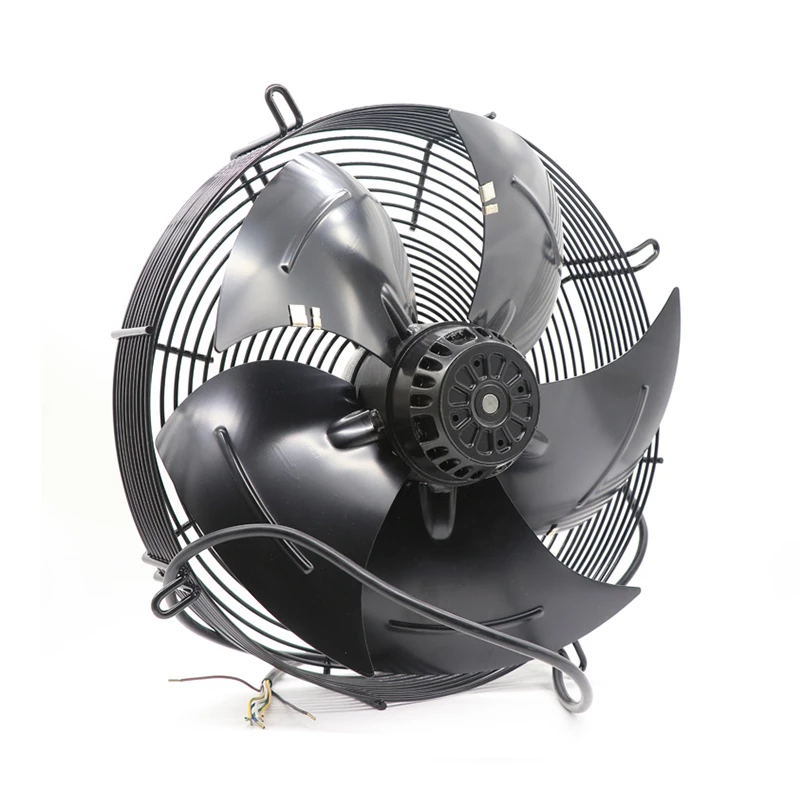
Specified for Refrigeration Cooling, the ebm-papst S4D500-AM03-02 is a 400 V AC axial fan, distinguished by a listed pressure capability of 140 Pa. It provides a practical sizing reference.
Read More
Applied in Refrigeration Cooling, ebm-papst S4D450-AO14-01 is a 400 V AC axial fan, offering a listed acoustic value of 56 dB. This assists electrical and mechanical review. Its documented data supports integration planning.
Read More
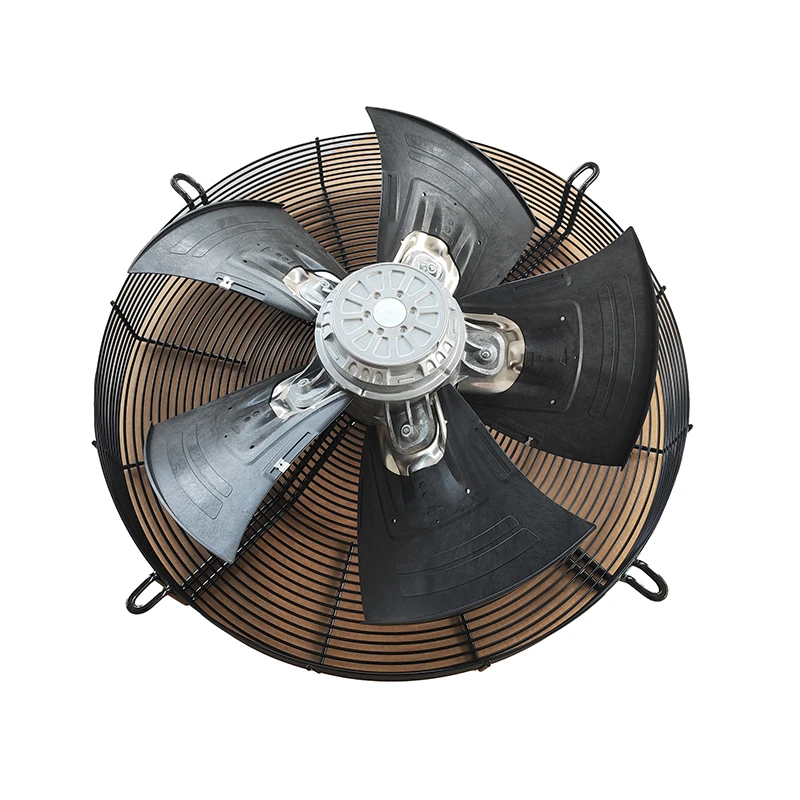
Suited to Refrigeration Cooling, ebm-papst S4D450-AU01-02 is a 400 V AC axial fan, distinguished by a listed acoustic value of 73 dB. The rating aids system-fit checks. Its documented data supports integration planning.
Read More