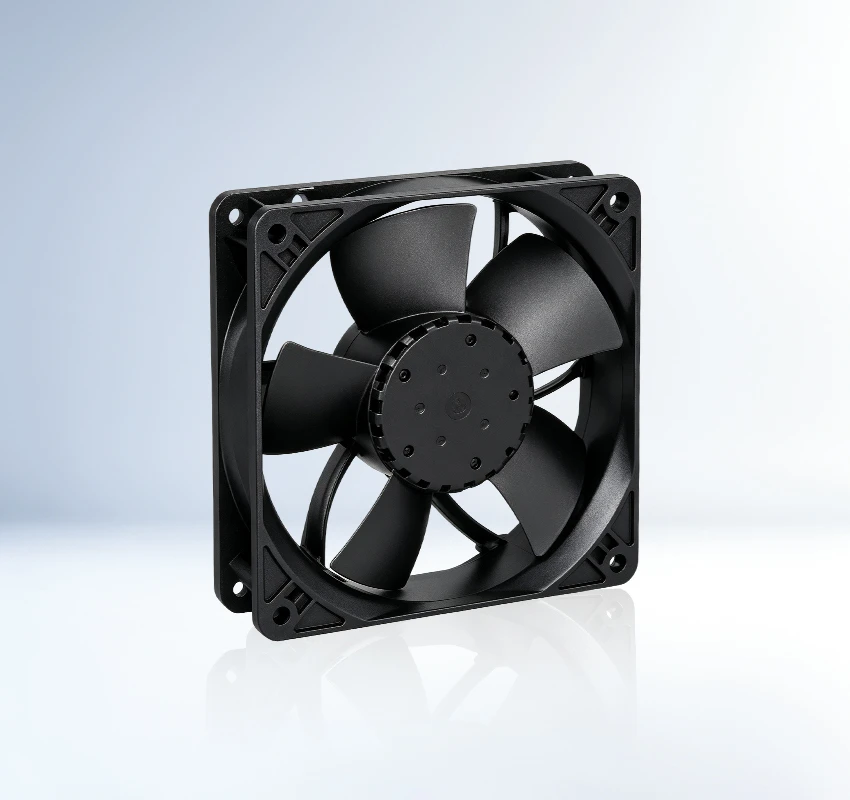
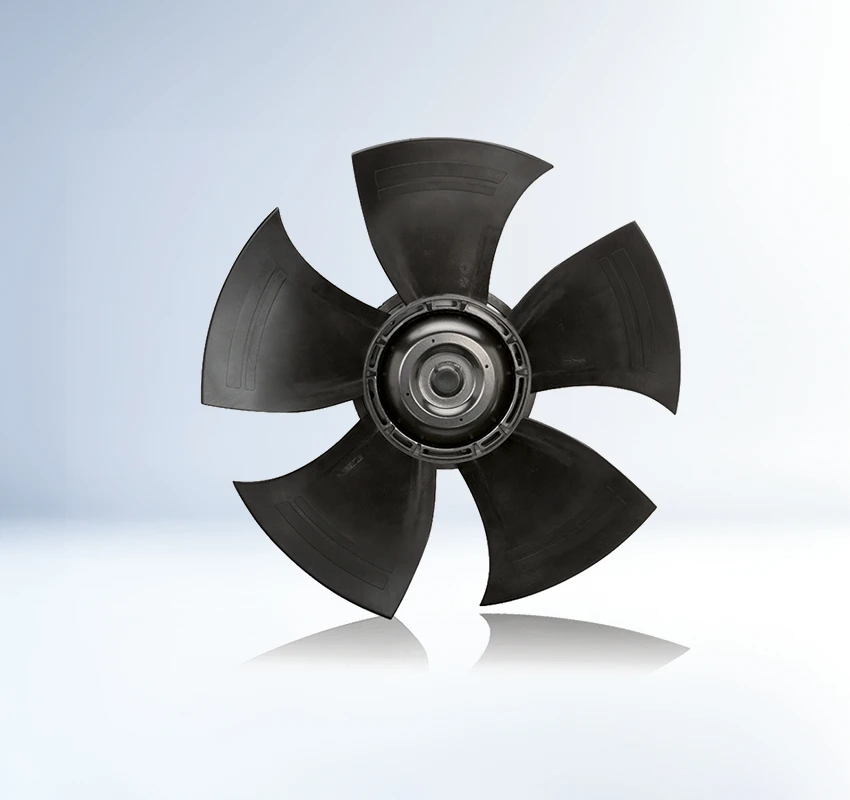
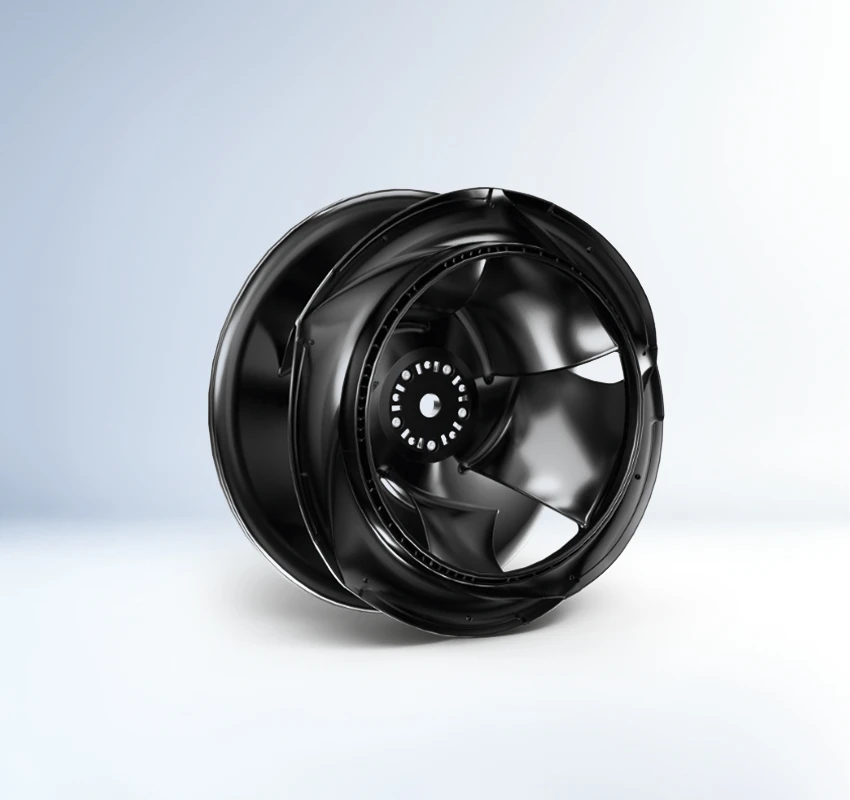
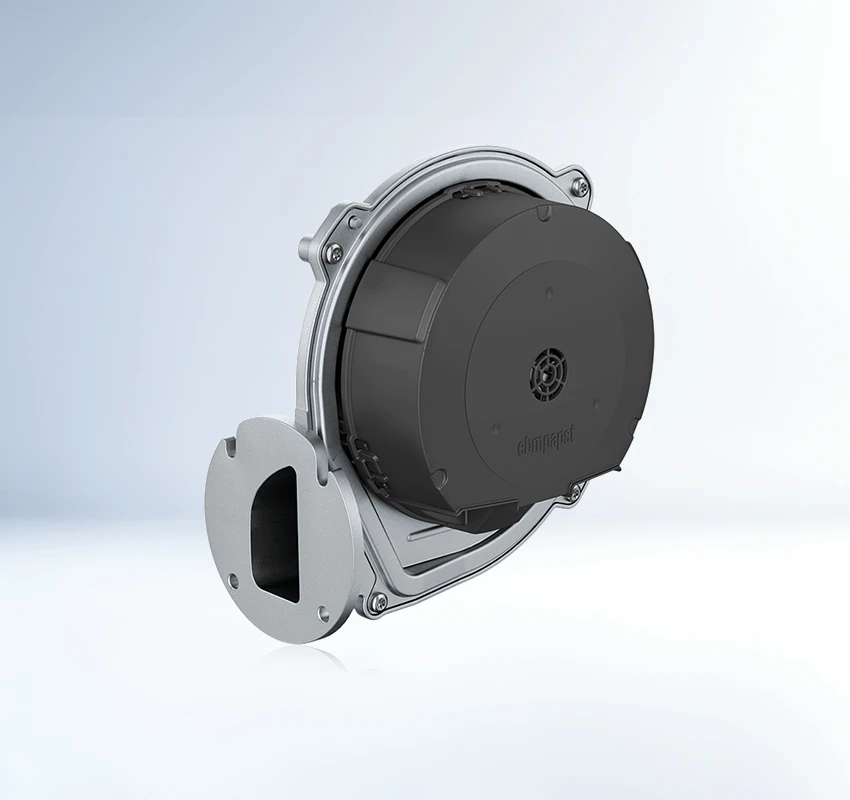
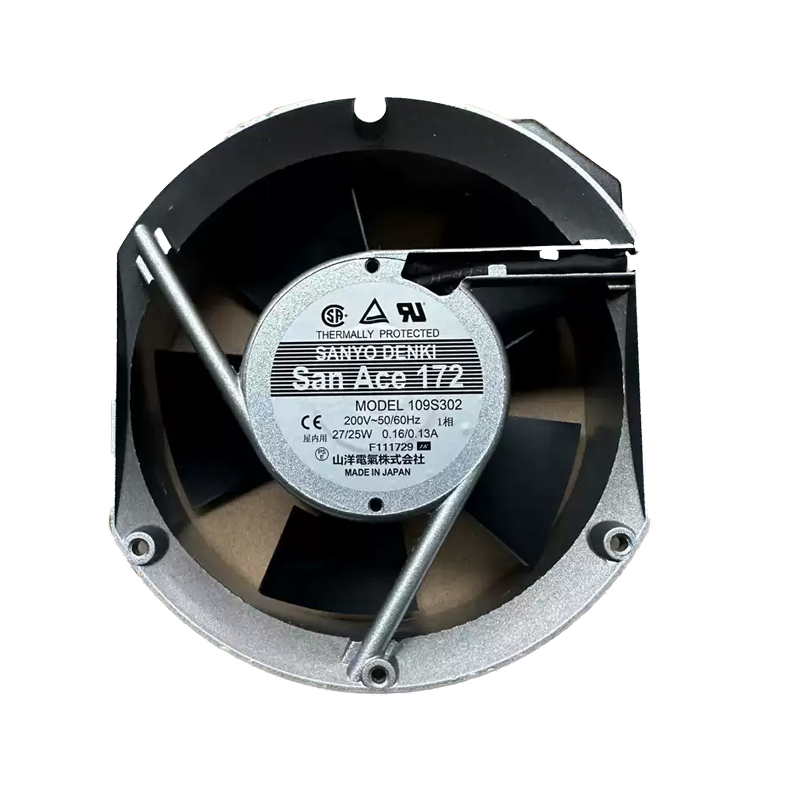
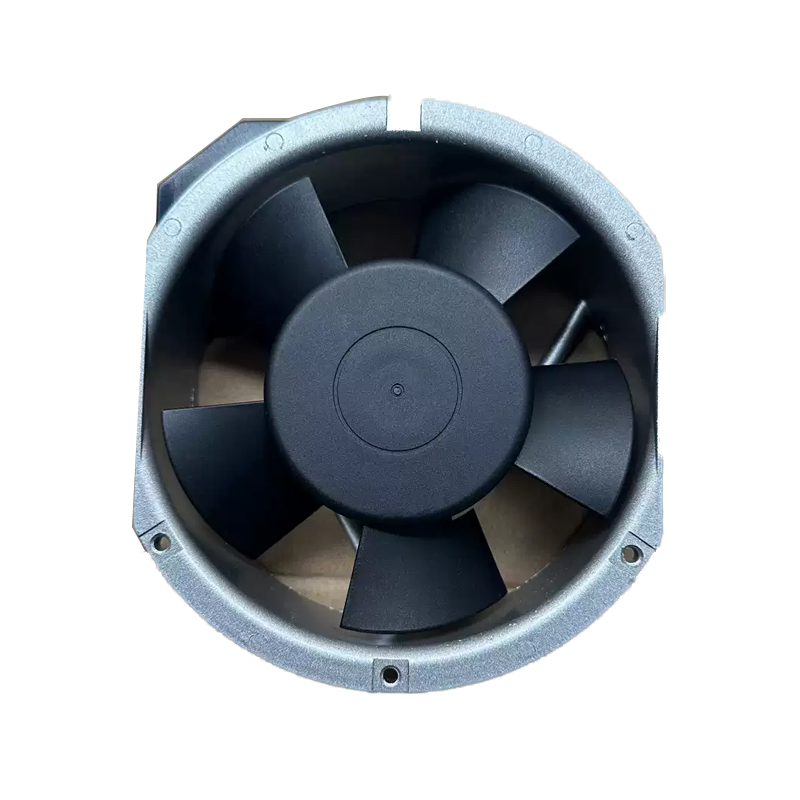
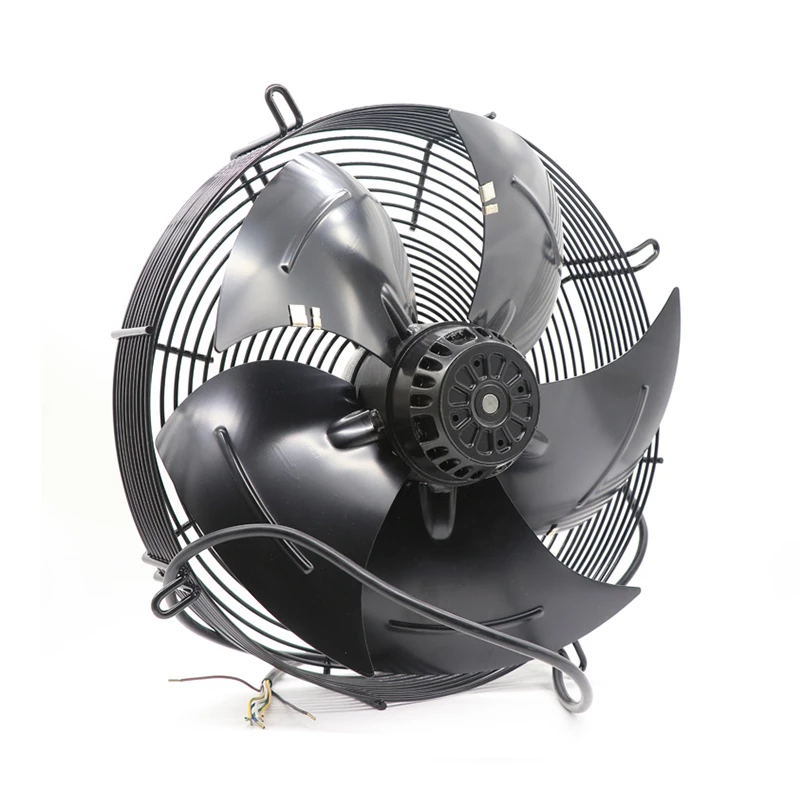
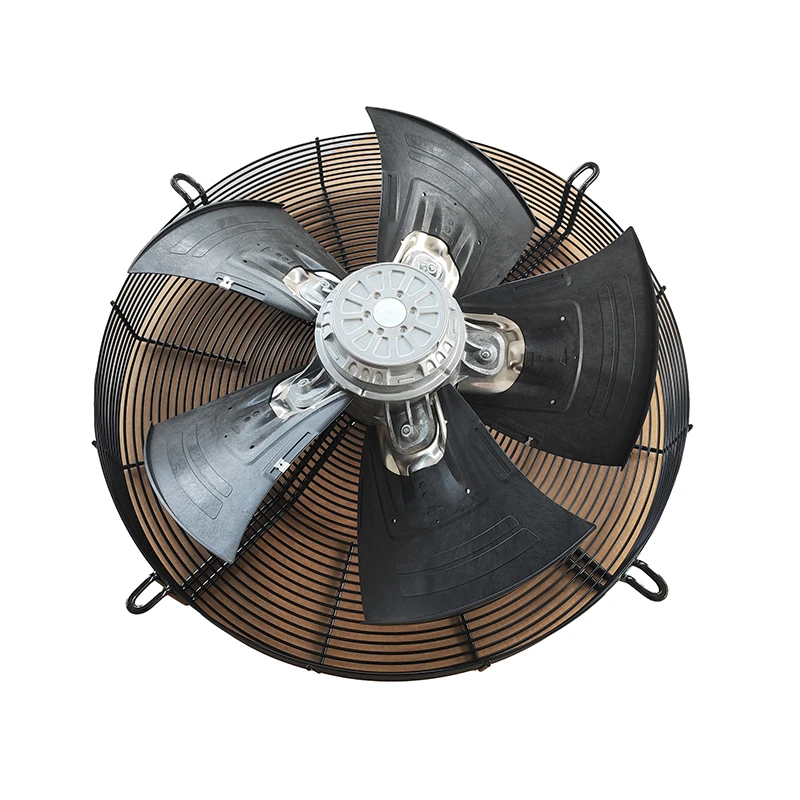
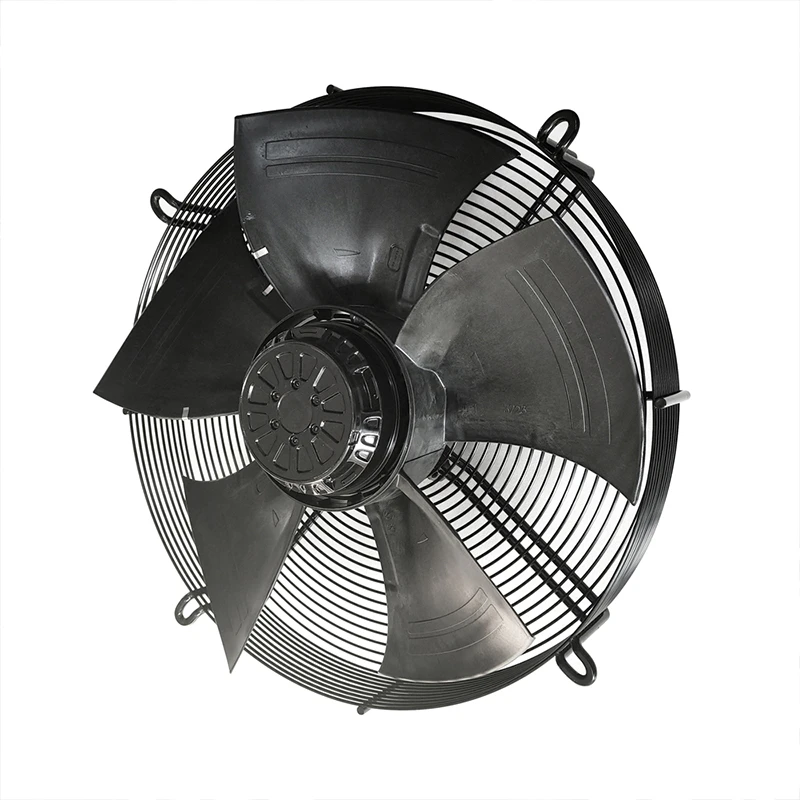
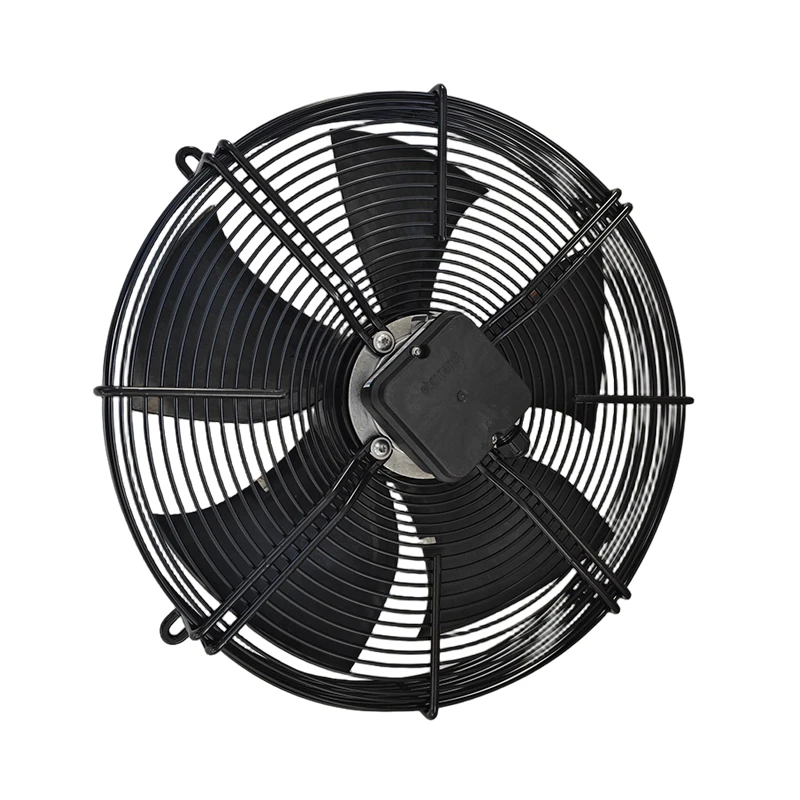
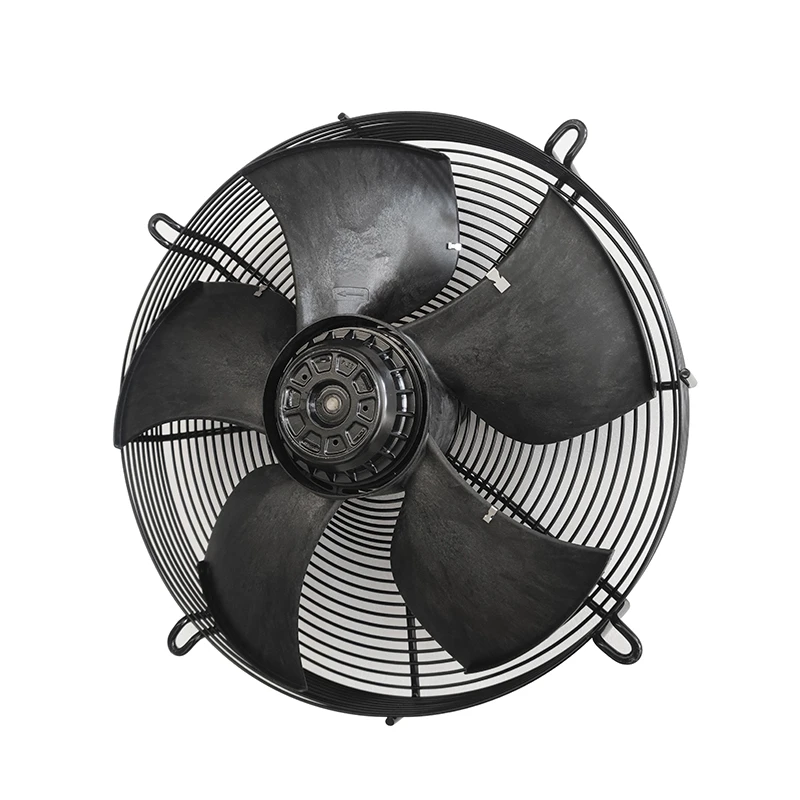
For thermal management in servers, UPS systems, and telecom equipment, the 109S302 provides a 200 VAC AC axial fan configuration measuring φ172 × 51 mm. Its listed airflow of 318/384 m³/h is the standout performance value. Review its duty-point values during thermal validation. Verify the exact bearing and signal options in the datasheet.
| Rated Voltage(V) | 200 |
|---|---|
| Size(mm) | φ172*51 |
| Max.Air Flow(m³/h) | 318/384 |
| Max.Pressure(Pa) | 147/196 |
| Input Power(W) | 27/25 |
| Speed(rpm) | 2900/3500 |
| Noise(db) | 51/56 |
109S302 is intended for dependable forced-air cooling in automation controls, PLC cabinets and drive systems. This SANYO DENKI AC axial fan fits equipment designs where thermal stability affects service continuity.
Its 318/384 m3/h maximum airflow supports rapid air exchange, while 147/196 Pa pressure capability helps overcome resistance within the finished equipment. For design approval, verify airflow direction, connector details and available control signals. Prototype testing should include the final vents, guards and component loading.
Check startup demand against the power supply. The process documents the required installation conditions. Confirm the final fan curve in the assembled equipment.
SANYO DENKI 109S302 serves automation and electrical control cabinets that operate with sustained internal heat. Directed airflow carries component heat toward the equipment exhaust and helps maintain a controlled internal temperature. It provides a practical cooling path for OEM integration.
109S302 is suitable for PLC and motion-control equipment. Reliable ventilation reduces hot spots around sensitive electronics and supports consistent equipment availability. It provides a practical cooling path for OEM integration. Selection should follow the approved full model code.
The San Ace 109S302 supports thermal management in inverters and industrial drive systems. Reliable ventilation reduces hot spots around sensitive electronics and supports consistent equipment availability. It provides a practical cooling path for OEM integration.
The worksheet lists 318/384 m³/h. Compare the operating point with system resistance and the official performance curve.
Availability and lead time can change. Confirm the exact suffix, quantity, and delivery date with the supplier before ordering.
The worksheet lists 51/56 dB. Enclosure acoustics, system resistance, and distance can change the installed result.
The listed speed is 2900/3500 rpm. Confirm control conditions and the actual duty point.
Confirm connector and mounting details, keep the airflow path clear, and isolate power before cleaning or service.
Use rated voltage, φ172 × 51 mm dimensions, 318/384 m³/h airflow, 2900/3500 rpm, and 27/25 W input for preliminary comparison.

Selected for Refrigeration Cooling, ebm-papst S4D450-AU01-01 is a 400 V AC axial fan, with a focus on a documented 205 W input rating. It gives engineers a clear comparison point. Its documented data supports integration planning.
Read More
Suited to Refrigeration Cooling, the ebm-papst S4D350-AP08-30 is a 230 V AC axial fan, whose supplied data highlights a documented 115 W input rating. The rating aids system-fit checks.
Read More
Selected for Refrigeration Cooling, ebm-papst S4D560-AM03-01 is a 400 V AC axial fan, noted for a listed airflow of 11,245 m³/h. This supports duty-point selection. Its documented data supports integration planning.
Read More
Specified for Refrigeration Cooling, the ebm-papst S4D500-AM03-02 is a 400 V AC axial fan, distinguished by a listed pressure capability of 140 Pa. It provides a practical sizing reference.
Read More
Applied in Refrigeration Cooling, ebm-papst S4D450-AO14-01 is a 400 V AC axial fan, offering a listed acoustic value of 56 dB. This assists electrical and mechanical review. Its documented data supports integration planning.
Read More
Suited to Refrigeration Cooling, ebm-papst S4D450-AU01-02 is a 400 V AC axial fan, distinguished by a listed acoustic value of 73 dB. The rating aids system-fit checks. Its documented data supports integration planning.
Read More