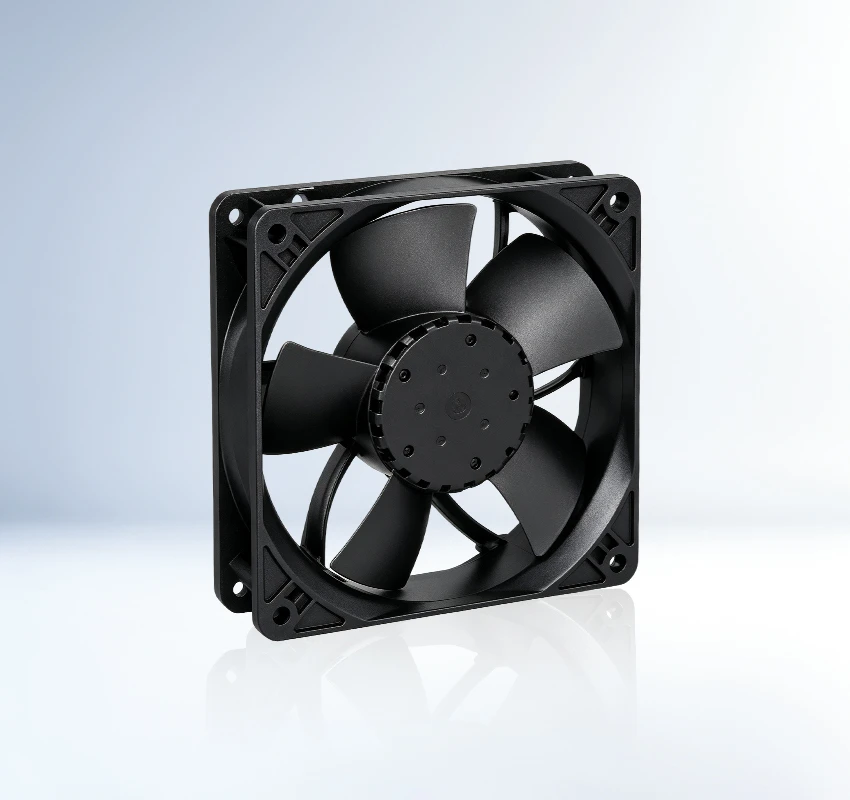
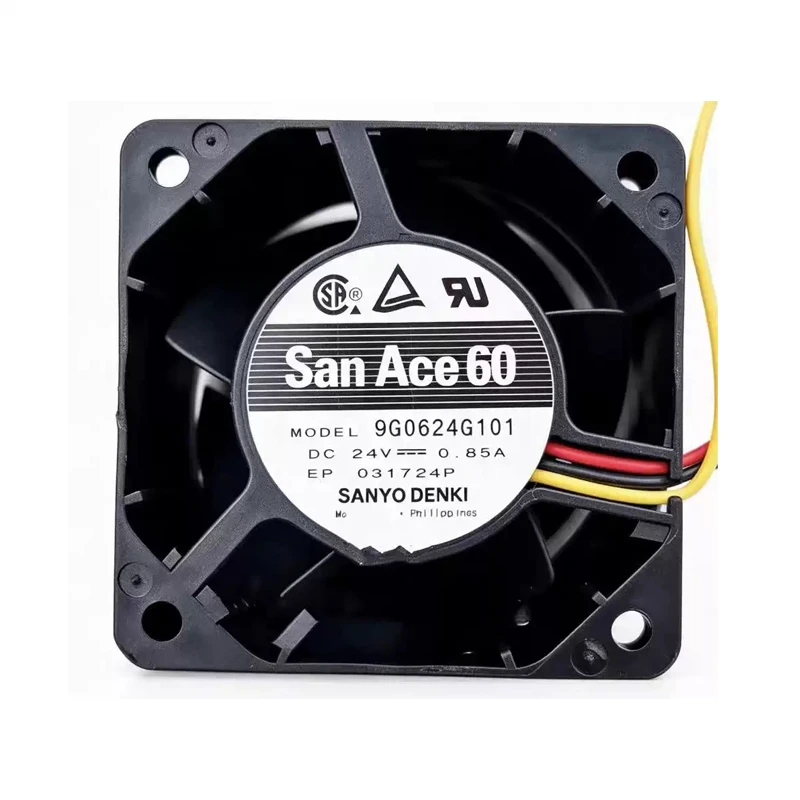
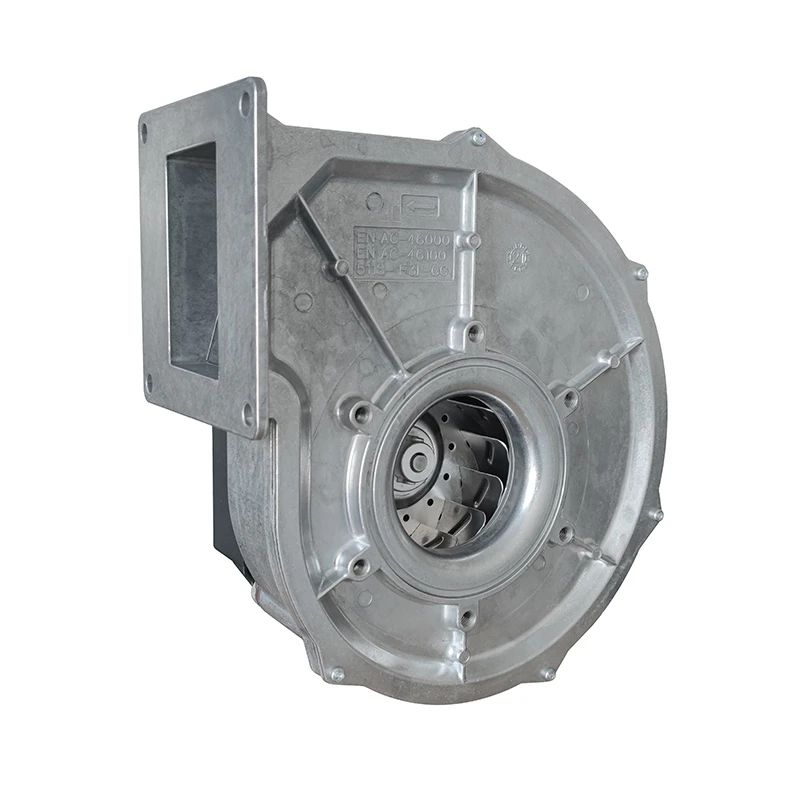
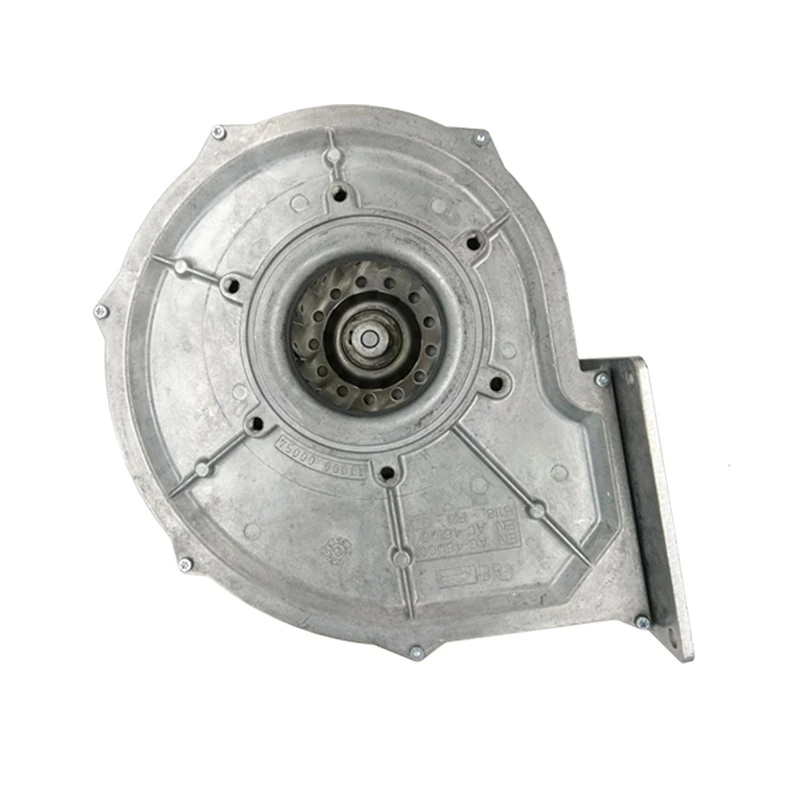
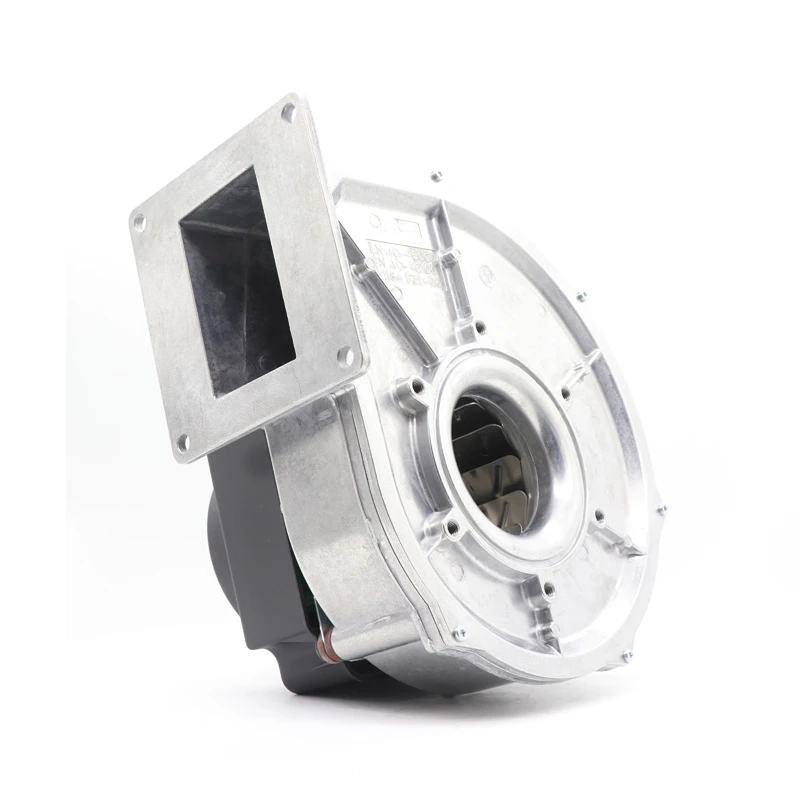
The 24 VDC Sanyo Denki 9G0624G101 is a DC axial fan sized 60 × 60 × 38 mm for servers, UPS systems, and telecom equipment. Series focus: high airflow and pressure. 435.2 Pa maximum pressure is the most distinctive duty-point parameter. Check selection criteria review selection parameters. Focus: selection criteria review selection parameters.
| Rated Voltage(V) | 24 |
|---|---|
| Size(mm) | 60*60*38 |
| Max.Air Flow(m³/h) | 109.2 |
| Max.Pressure(Pa) | 435.2 |
| Input Power(W) | 20.4 |
| Speed(rpm) | 11800 |
| Noise(db) | 58 |
The San Ace 9G0624G101 serves servers, storage systems and ICT equipment as a DC axial fan. Its airflow supports heat transfer from internal devices toward cabinet or chassis exhaust openings.
The rated peak airflow of 109.2 m3/h combines with 435.2 Pa pressure capability to support useful flow after installation losses are considered. OEM qualification should check startup demand, installation orientation and the exact electrical interface. Installed sound and airflow depend on the surrounding cabinet structure.
Verify mounting rigidity under continuous duty. This keeps sourcing decisions tied to validated system needs. Confirm the final fan curve in the assembled equipment. Preserve clear inlet and outlet space during installation.
For server chassis and computing nodes, 9G0624G101 provides a dedicated forced-air cooling path. Air circulation around processors, power devices and control electronics limits heat concentration and supports stable operation. It provides a practical cooling path for OEM integration.
SANYO DENKI 9G0624G101 serves storage arrays and data appliances that operate with sustained internal heat. Air circulation around processors, power devices and control electronics limits heat concentration and supports stable operation. It provides a practical cooling path for OEM integration.
9G0624G101 is suitable for network and other ICT hardware. These systems need continuous heat removal because compact layouts and rising power density restrict natural convection. It provides a practical cooling path for OEM integration. Selection should follow the approved full model code.
Use rated voltage, 60 × 60 × 38 mm dimensions, 109.2 m³/h airflow, 11800 rpm, and 20.4 W input for preliminary comparison.
The workbook marks it RoHS compliant. Confirm model-specific UL, CSA, TÜV, or other required approvals from official documentation.
Match voltage, size, mounting, airflow direction, airflow, pressure, connector, control signal, and protection before substitution.
PWM or sensor functions depend on the exact suffix. Confirm the control lead and interface in the applicable Sanyo Denki datasheet.
Its 24 VDC rating and documented 435.2 pa maximum pressure is the most distinctive duty-point parameter. provide model-specific selection data without relying on unlisted claims.

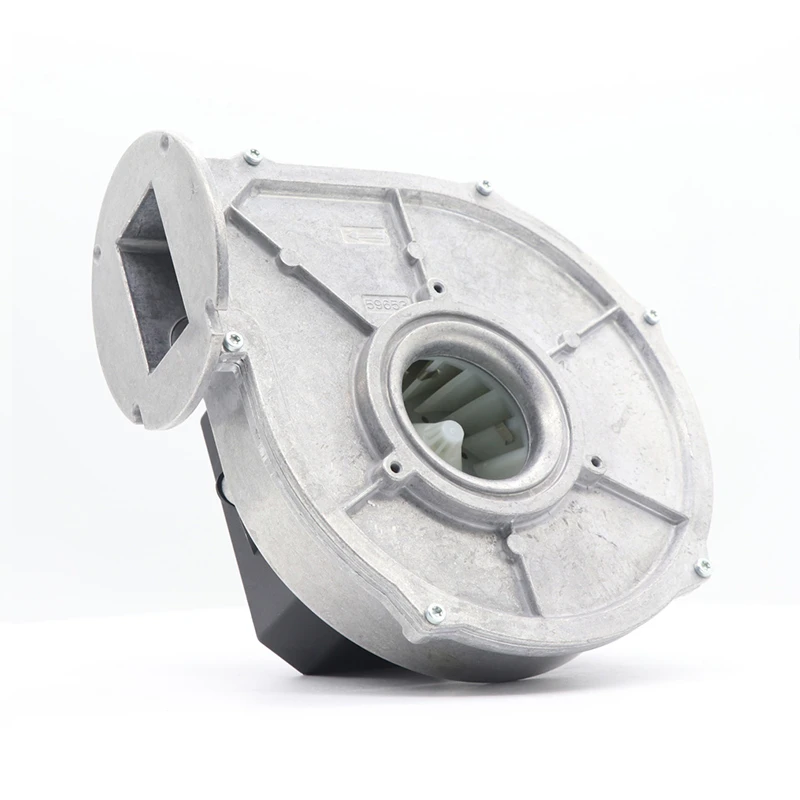
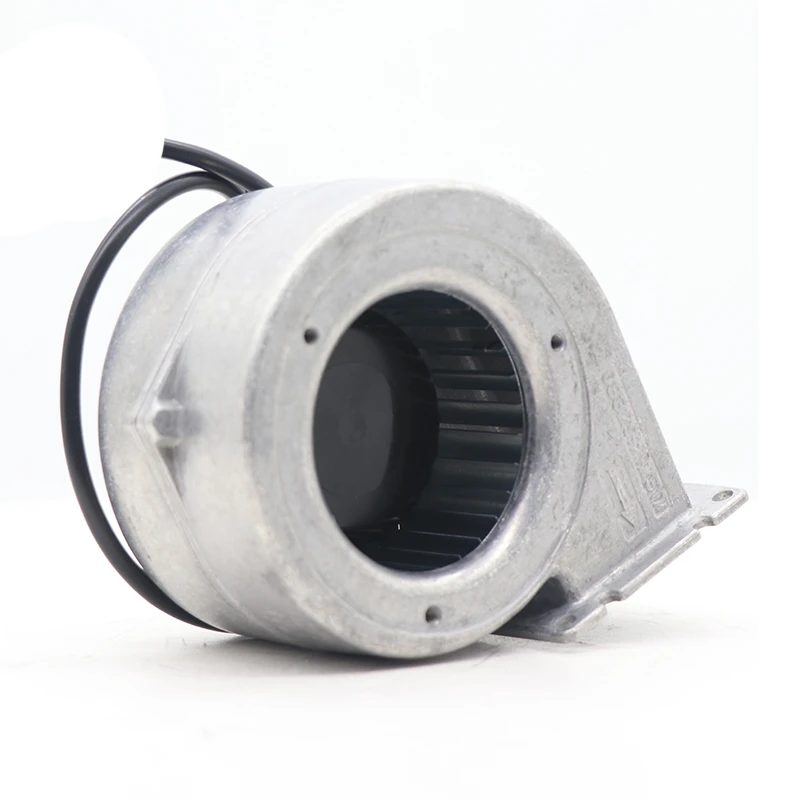
Aimed at Boiler Systems, the ebm-papst G1G146-BA07-52 is a 24 V EC backward-curved centrifugal fan, for which the table lists a listed pressure capability of 500 Pa. This assists electrical and mechanical review.
Read More
Integrated into Boiler Systems, the ebm-papst G1G133-DE19-15 is a 24 V EC backward-curved centrifugal fan, specified with a documented 45 W input rating. The rating aids system-fit checks.
Read More
Suited to Boiler Systems, ebm-papst G1G097-AA05-01 is a 24 V EC backward-curved centrifugal fan, marked by a documented 16 W input rating. It provides a practical sizing reference.
Read More
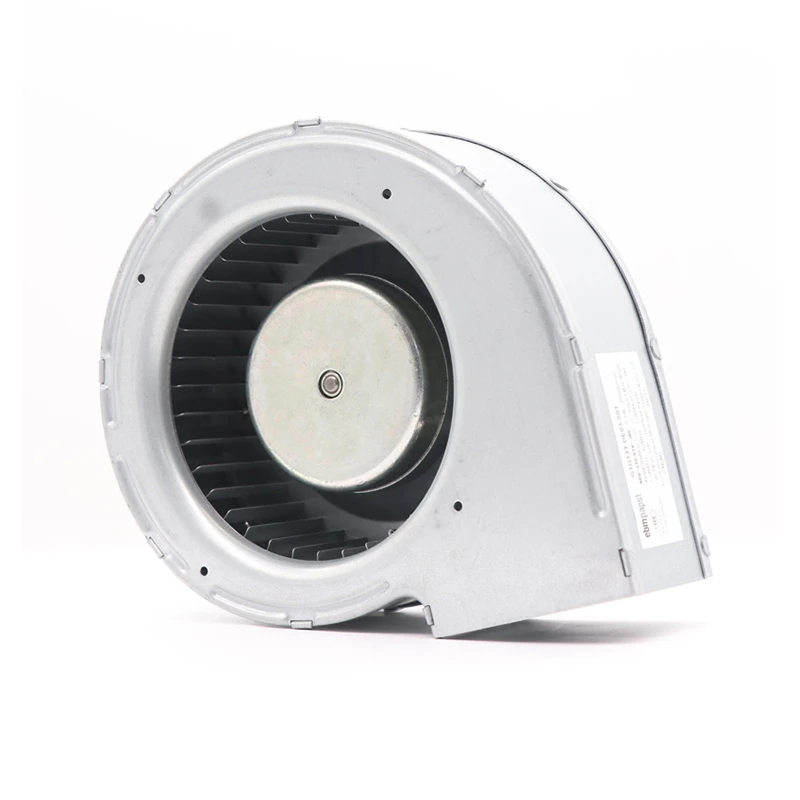
Built for hvac, G1G170-AB53-80 is a 230 V EC centrifugal blower. 5,830 rpm operation with 0-10 V/PWM speed control is its clearest differentiator in the supplied data. It supports exact-model comparison for OEM sourcing.
Read More
A 230 V EC centrifugal blower for boiler systems, G1G170-AB53-01 has a clearly defined selection profile. Its selection profile is led by 2,500 Pa pressure with 5,830 rpm operation.
Read More
Targeting hvac, G1G170-AB31-53 pairs 230 V operation with a EC centrifugal blower layout. The model's defining specification is PWM speed control with 6,530 rpm operation. It supports exact-model comparison for OEM sourcing.
Read More