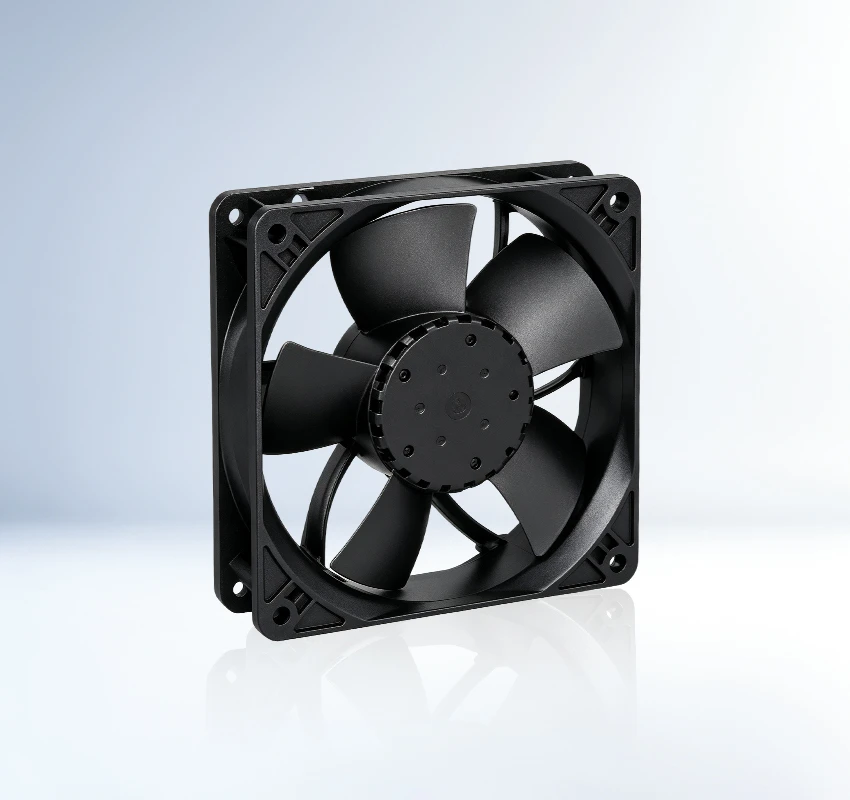
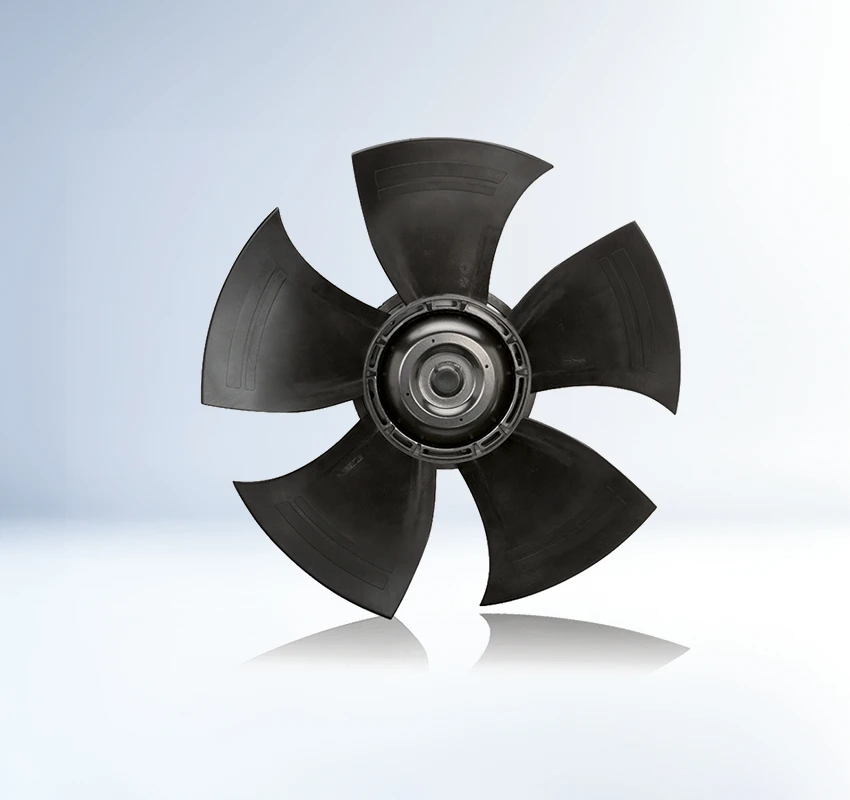
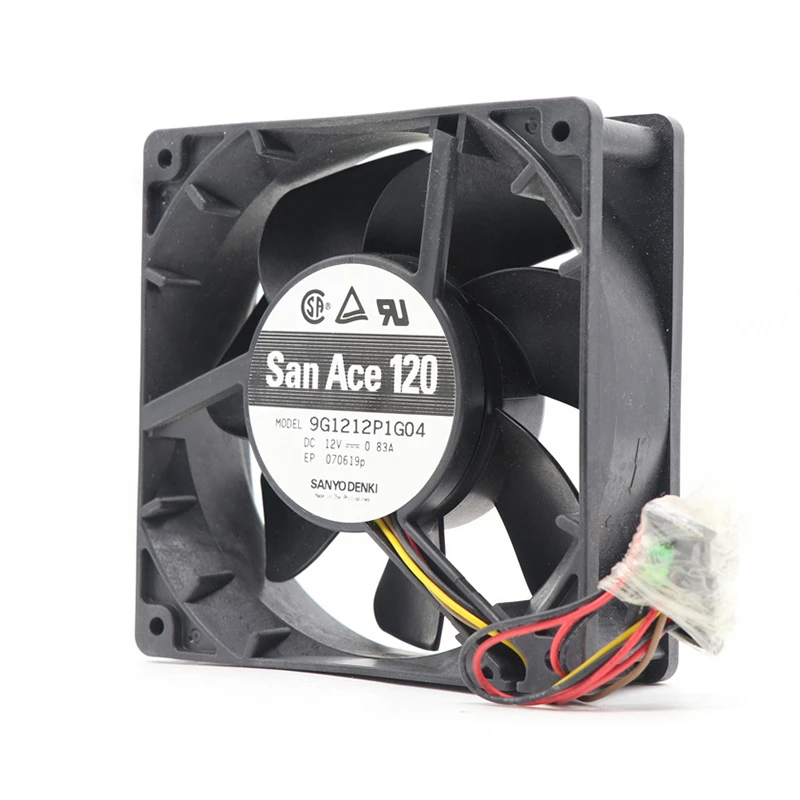
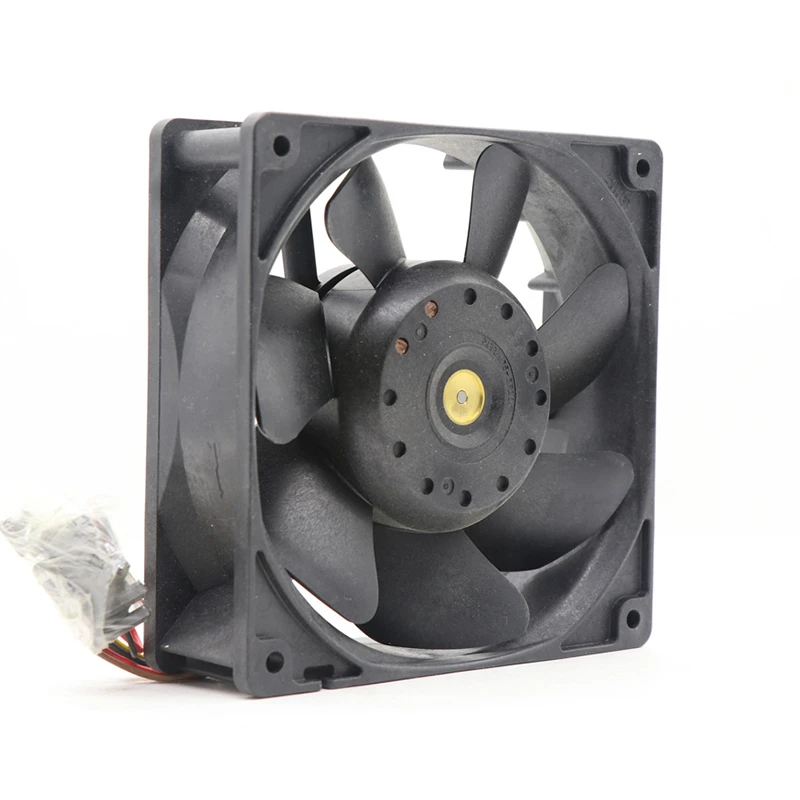
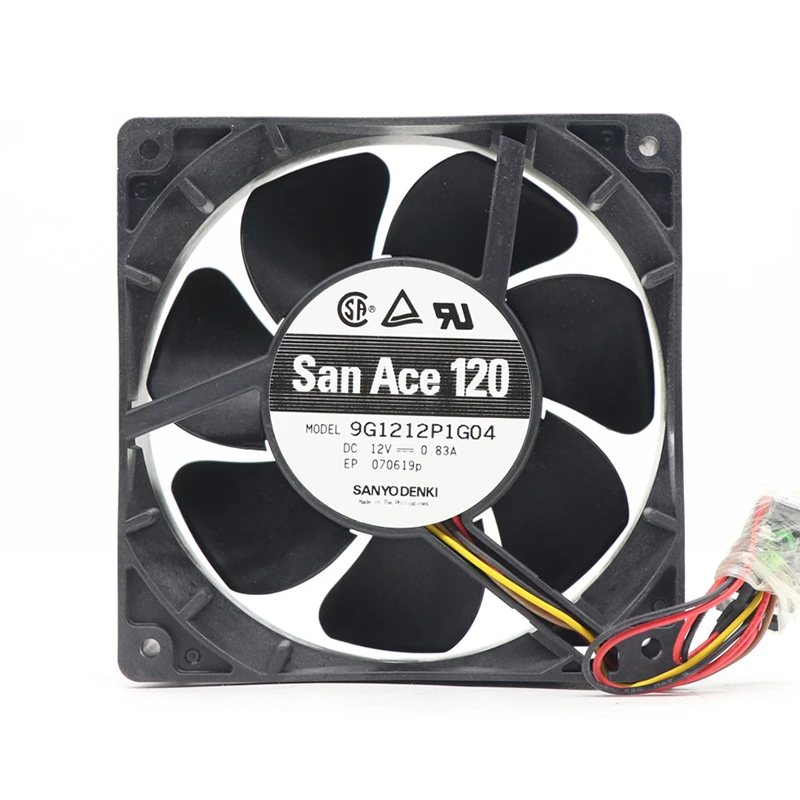
The 119 × 119 × 38 mm Sanyo Denki 9G1212P1G04 brings 12 VDC DC axial fan cooling to servers, UPS systems, and telecom equipment. High airflow is highlighted together with a high-static-pressure design. Base power-budget planning on the stated frame geometry. Match the exact part number before approving a substitute. Focus: duty point matching.
| Rated Voltage(V) | 12 |
|---|---|
| Size(mm) | 119*119*38 |
| Max.Air Flow(m³/h) | 233 |
| Max.Pressure(Pa) | N/A |
| Input Power(W) | 11.76 |
| Speed(rpm) | 3600 |
| Noise(db) | 49 |
SANYO DENKI positions 9G1212P1G04 as a DC axial fan for servers, storage systems and ICT equipment. It helps equipment designers manage local hot spots where natural convection is insufficient.
A listed maximum airflow of 233 m3/h and maximum pressure of N/A Pa give engineers a clear basis for matching the fan to enclosure resistance. Stable motor control and a robust fan structure help maintain airflow under continuous duty. The design also supports lower acoustic disturbance when correctly mounted in the enclosure. OEM qualification should check startup demand, installation orientation and the exact electrical interface. Installed sound and airflow depend on the surrounding cabinet structure.
Confirm inlet clearance around nearby cables. The result supports repeatable OEM assembly.
9G1212P1G04 is suitable for server chassis and computing nodes. Reliable ventilation reduces hot spots around sensitive electronics and supports consistent equipment availability. It provides a practical cooling path for OEM integration. Selection should follow the approved full model code.
The San Ace 9G1212P1G04 supports thermal management in storage arrays and data appliances. Reliable ventilation reduces hot spots around sensitive electronics and supports consistent equipment availability. It provides a practical cooling path for OEM integration.
For network and other ICT hardware, 9G1212P1G04 provides a dedicated forced-air cooling path. Reliable ventilation reduces hot spots around sensitive electronics and supports consistent equipment availability. It provides a practical cooling path for OEM integration.
Confirm connector and mounting details, keep the airflow path clear, and isolate power before cleaning or service.
Check its 119 × 119 × 38 mm size, 233 m³/h airflow, N/A Pa pressure, mounting points, airflow direction, and system resistance.
Evaluate the exact bearing, life, temperature, alarm, and protection data. Correct sizing and clean airflow are also required for reliable operation.
Match voltage, size, mounting, airflow direction, airflow, pressure, connector, control signal, and protection before substitution.
PWM or sensor functions depend on the exact suffix. Confirm the control lead and interface in the applicable Sanyo Denki datasheet.

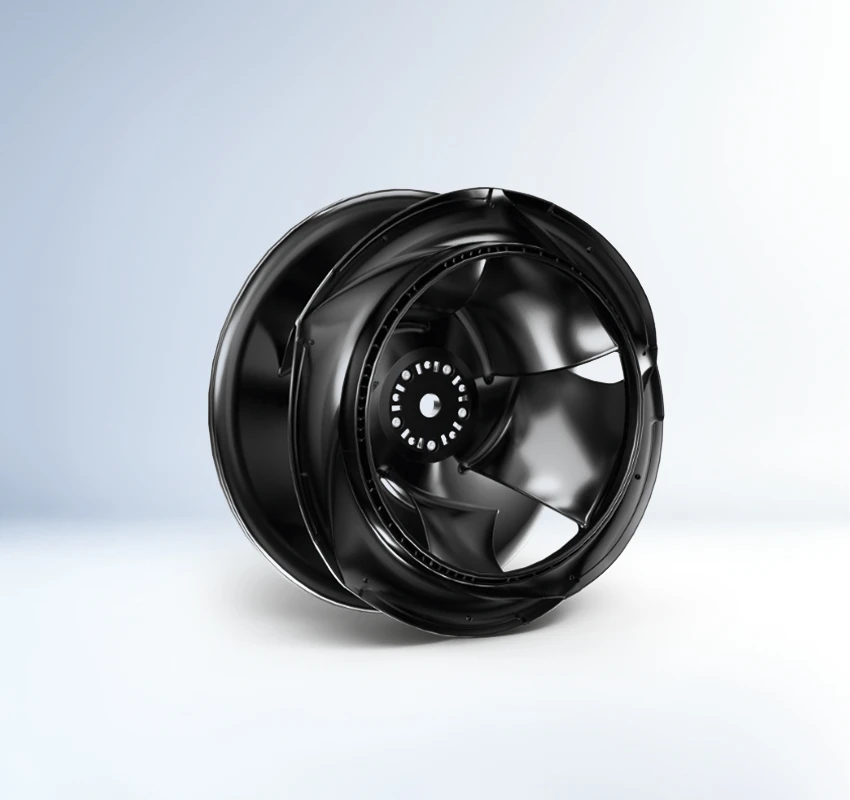
Aimed at Boiler Systems, the ebm-papst G1G146-BA07-52 is a 24 V EC backward-curved centrifugal fan, for which the table lists a listed pressure capability of 500 Pa. This assists electrical and mechanical review.
Read More
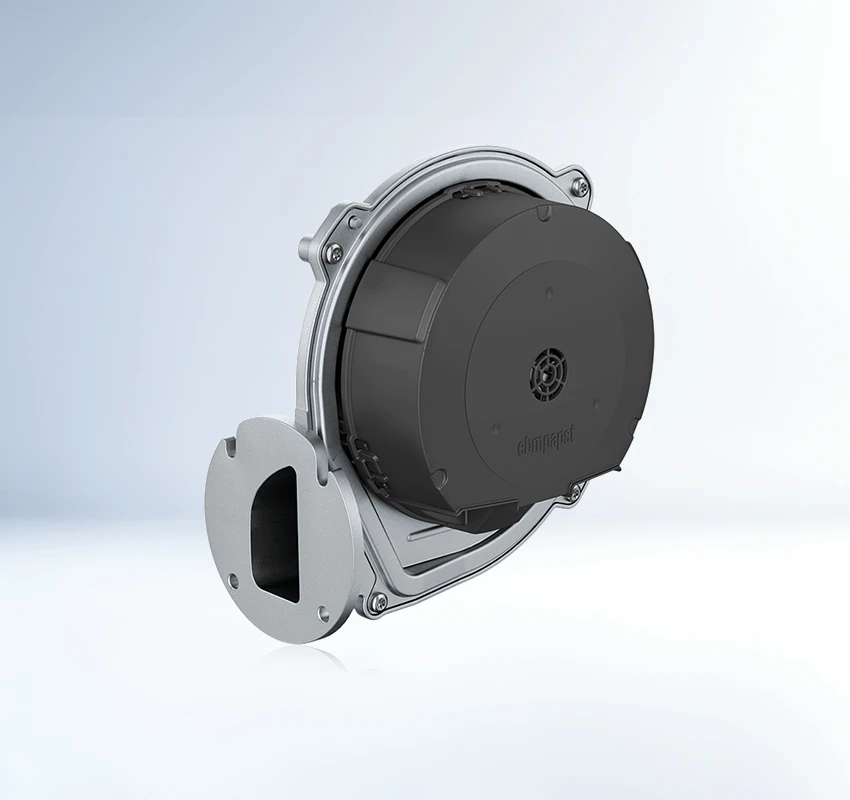
Integrated into Boiler Systems, the ebm-papst G1G133-DE19-15 is a 24 V EC backward-curved centrifugal fan, specified with a documented 45 W input rating. The rating aids system-fit checks.
Read More
Suited to Boiler Systems, ebm-papst G1G097-AA05-01 is a 24 V EC backward-curved centrifugal fan, marked by a documented 16 W input rating. It provides a practical sizing reference.
Read More
Targeting dehumidifiers, G2E140-AL40-01 pairs 230 V operation with a AC centrifugal blower layout. For selection, its most distinctive listed attribute is IP44 protection with thermal-overload protection.
Read More
In inverter cooling, G2D180-BD18-13 serves as a 400 V AC centrifugal blower. Its standout data point is 840 Pa pressure with IP00 protection. It supports exact-model comparison for OEM sourcing and replacement work.
Read More
G2D180-BD18-11 is specified as a 400 V AC centrifugal blower for cnc machines. Its selection profile is led by 700 Pa pressure with 2,650 rpm operation. It supports exact-model comparison for OEM sourcing and replacement work.
Read More