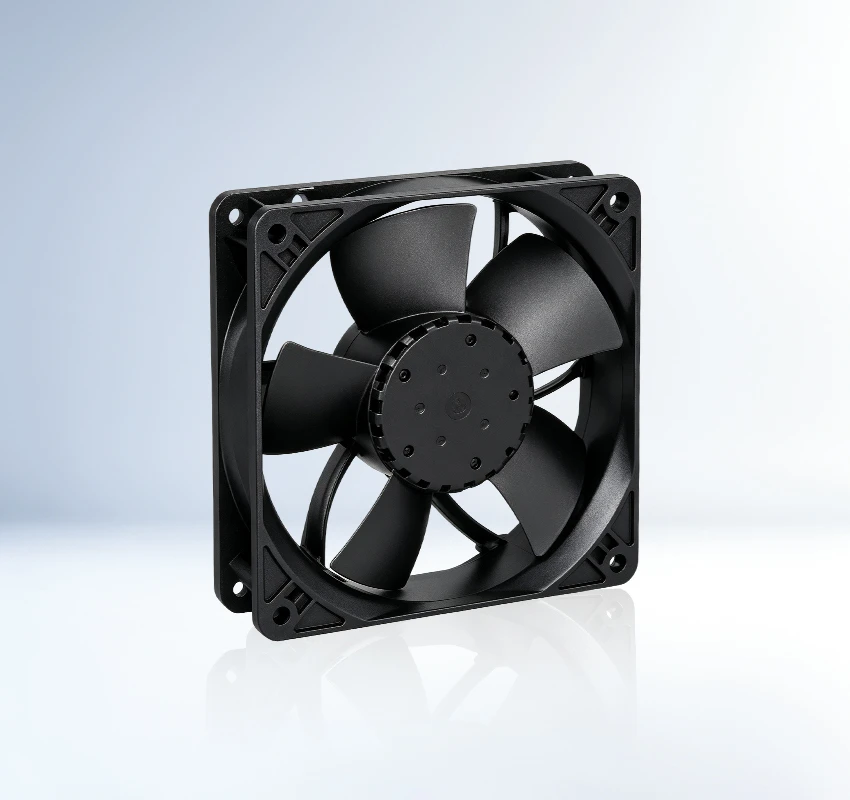
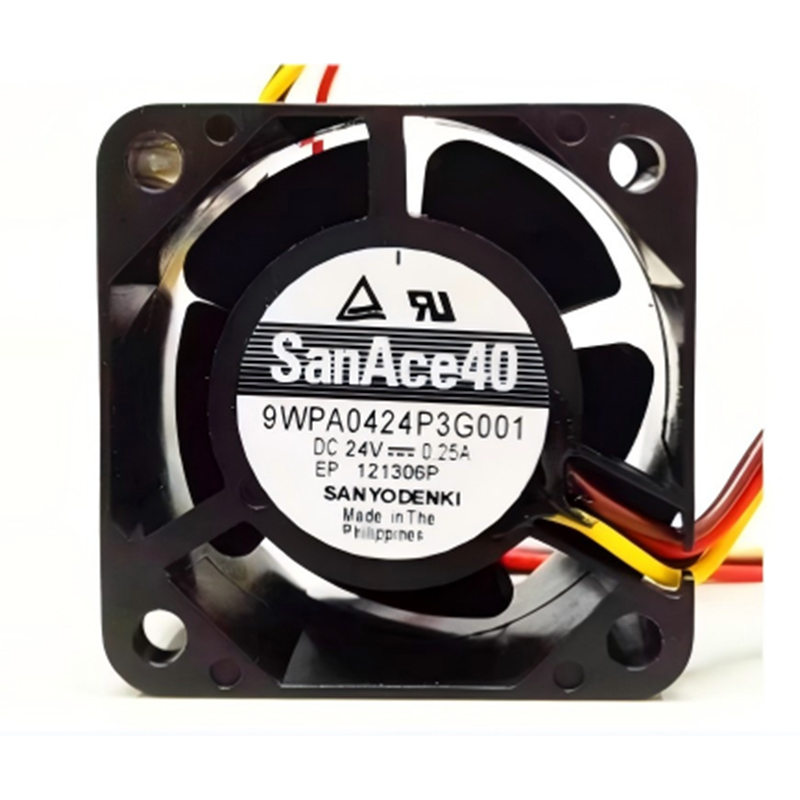
Sanyo Denki configures 9WPA0424P3G001 for outdoor equipment and photovoltaic inverters as a 24 VDC DC axial fan with 40 × 40 × 28 mm dimensions. 22200 rpm is the model's most prominent operating value. Review its thermal-duty record during cabinet ventilation planning. Validate mounting and wiring from the model drawing.
| Rated Voltage(V) | 24 |
|---|---|
| Size(mm) | 40*40*28 |
| Max.Air Flow(m³/h) | 37.74 |
| Max.Pressure(Pa) | 553 |
| Input Power(W) | 6 |
| Speed(rpm) | 22200 |
| Noise(db) | 53 |
9WPA0424P3G001 brings San Ace DC axial fan cooling to energy storage, photovoltaic inverters and charging equipment. The compact air-moving design suits OEM assemblies that require continuous ventilation around electronic and power components.
With up to 37.74 m3/h airflow and 553 Pa static pressure, the model can move cooling air through vents, filters and compact internal passages. For design approval, verify airflow direction, connector details and available control signals. Prototype testing should include the final vents, guards and component loading.
Include filter loading in the airflow margin. The result supports repeatable OEM assembly. Confirm the final fan curve in the assembled equipment.
The San Ace 9WPA0424P3G001 supports thermal management in energy storage systems and PCS equipment. Air circulation around processors, power devices and control electronics limits heat concentration and supports stable operation. It supports reliable OEM equipment cooling.
For photovoltaic inverter equipment, 9WPA0424P3G001 provides a dedicated forced-air cooling path. Air circulation around processors, power devices and control electronics limits heat concentration and supports stable operation. It supports reliable OEM equipment cooling.
SANYO DENKI 9WPA0424P3G001 serves electric-vehicle charging equipment that operate with sustained internal heat. Air circulation around processors, power devices and control electronics limits heat concentration and supports stable operation. It supports reliable OEM equipment cooling.
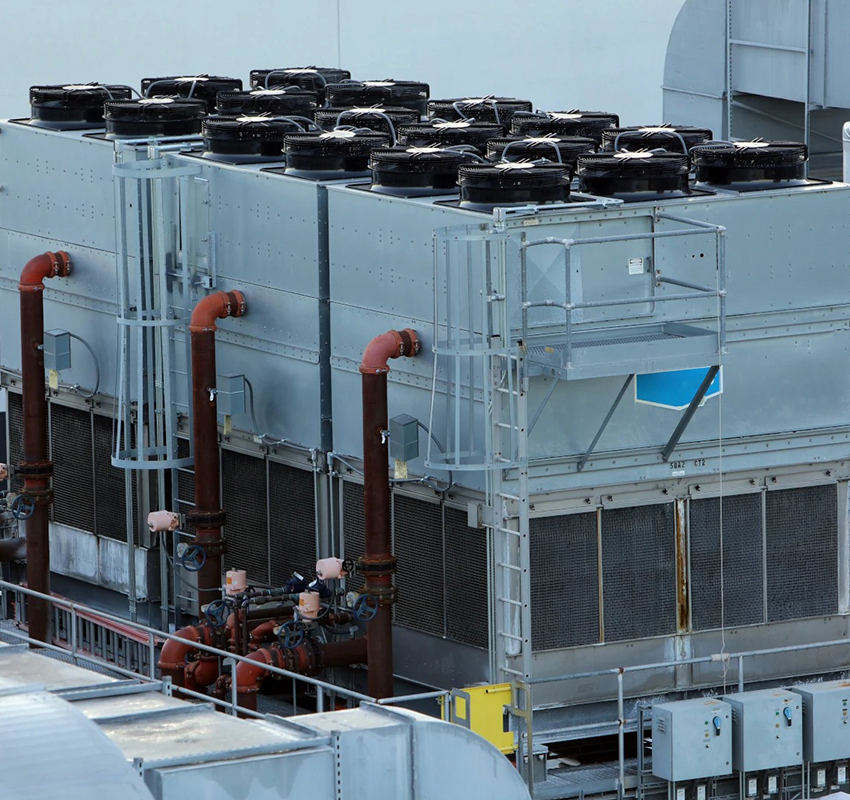
It is listed for outdoor equipment and photovoltaic inverters. Confirm airflow, pressure, dimensions, and environmental conditions against the actual equipment.
Match voltage, size, mounting, airflow direction, airflow, pressure, connector, control signal, and protection before substitution.
The worksheet lists 37.74 m³/h. Compare the operating point with system resistance and the official performance curve.
Compare its listed power with the required airflow, pressure, and operating hours. System-level savings depend on correct duty-point selection.
The worksheet lists 6 W. Check supply capacity and operating conditions before commissioning.
Verify supply, connector, obstructions, impeller movement, and alarm or protection status using the model-specific troubleshooting data.