.R.GN.I55-0.webp)
.R.GN.I55-1.webp)
.R.GN.I55-2.webp)
.R.GN.I55-0.webp)
.R.GN.I55-1.webp)
.R.GN.I55-2.webp)
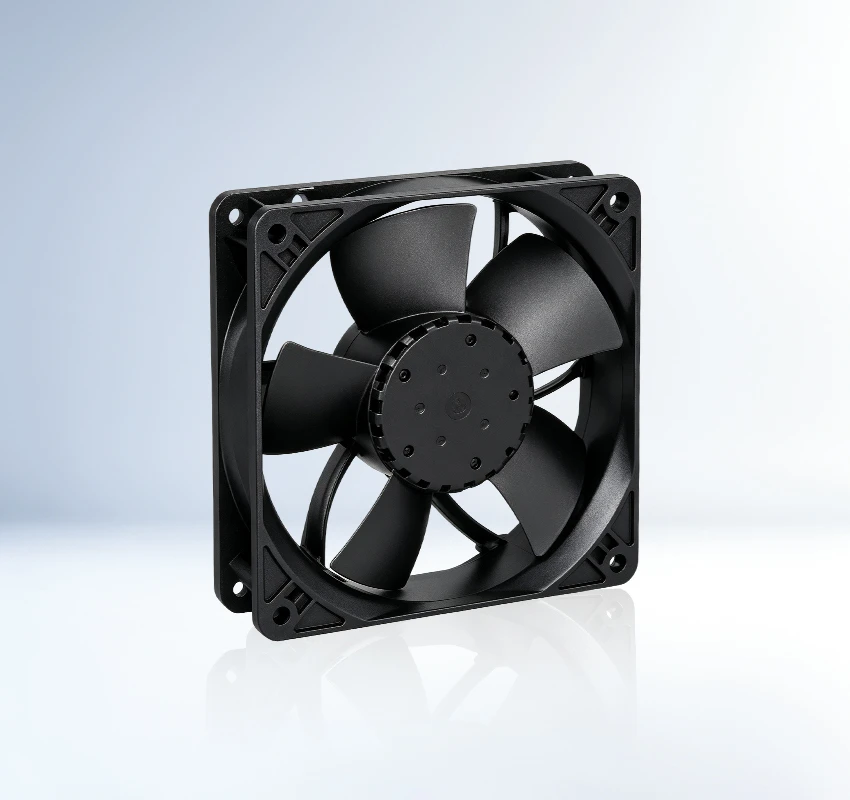
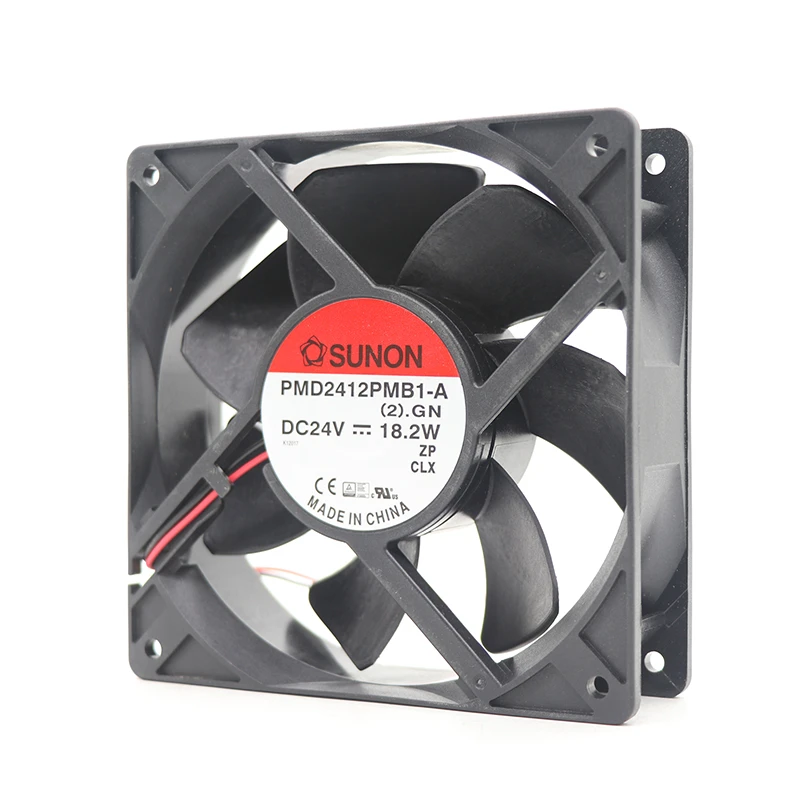
Sized for industrial electronics and equipment cooling, SUNON PMD2412PMB1-A P/N:(2).R.GN.I55 is a 24 VDC DC axial fan in a 120 × 120 × 38 mm frame. Up to 322.8 m³/h is its most prominent listed performance figure. Base replacement evaluation on the stated ventilation capacity. Check the full suffix before confirming connector details.
| Rated Voltage(V) | 24 |
|---|---|
| Size(mm) | 120x120x38mm |
| Max.Air Flow(m³/h) | 322.8 |
| Max.Pressure(Pa) | 161.9 |
| Input Power(W) | 18.2 |
| Speed(rpm) | 4200 |
| Noise(db) | 54 |
The PMD2412PMB1-A P/N:(2).R.GN.I55 from SUNON addresses cooling needs in industrial equipment. As a DC brushless axial fan, it creates a defined inlet-to-outlet route across the thermal load.
The brushless DC motor architecture supports efficient electronic commutation and stable rotational performance for compact equipment cooling. Separating cool intake air from warm exhaust limits recirculation and improves heat-transfer effectiveness inside the equipment.
To integrate PMD2412PMB1-A P/N:(2).R.GN.I55 effectively, review outlet geometry at equipment level and arrange power-budget review before release. Confirmed system compatibility supports stable cooling and repeatable procurement. Preserve a clear discharge region to avoid unnecessary downstream turbulence.
Keep the airflow path clear, secure the frame without distortion, and follow the exact wiring diagram and voltage rating.
The worksheet lists 18.2 W input. Check supply capacity and operating conditions before commissioning.
It is listed for industrial electronics and equipment cooling. Check dimensions, airflow, pressure, and the installation environment against the actual equipment.
Confirm any missing bearing, connector, control, IP rating, life, certification, and performance-curve details for the complete part number.
Speed-control capability is not stated for this complete part number. Confirm the signal and controller requirements before use.

Specified at 24 VDC, PMD2412PMB1 is a SUNON DC axial fan for industrial electronics and equipment cooling in 120 × 120 × 38 mm dimensions. Up to 322.8 m³/h is its most prominent listed performance figure. The recorded rotational rating should guide engineering comparison. Confirm temperature and service-life limits from current data.
Read More
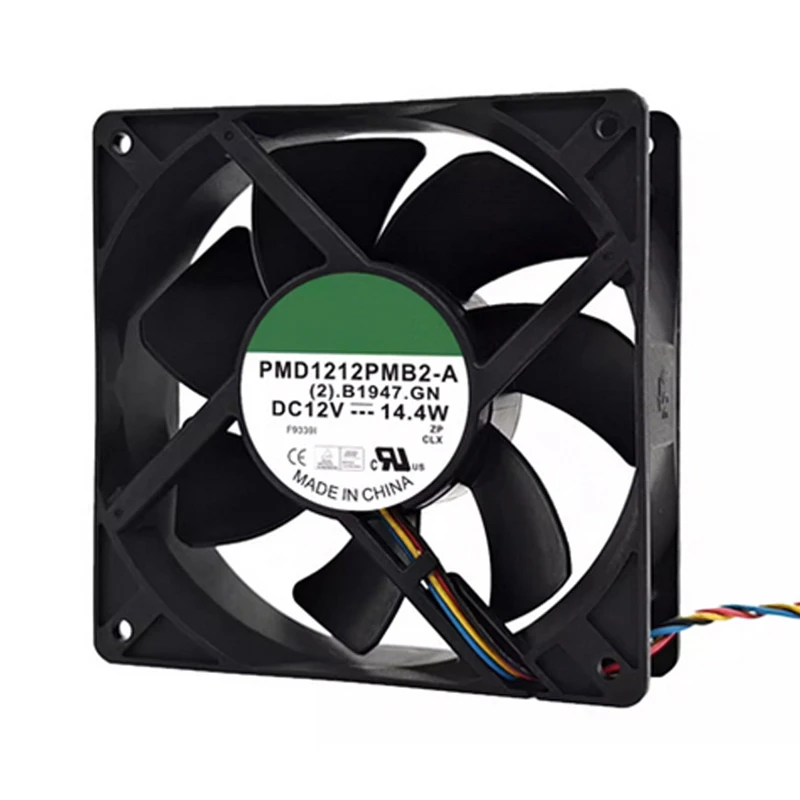
SUNON PMD1212PMB2-A combines a 120 × 120 × 38 mm DC axial fan platform with a 12 VDC rating for industrial electronics and equipment cooling. Up to 288.8 m³/h is its most prominent listed performance figure. During engineering comparison, compare the model's installation footprint. Confirm temperature and service-life limits from current data.
Read More
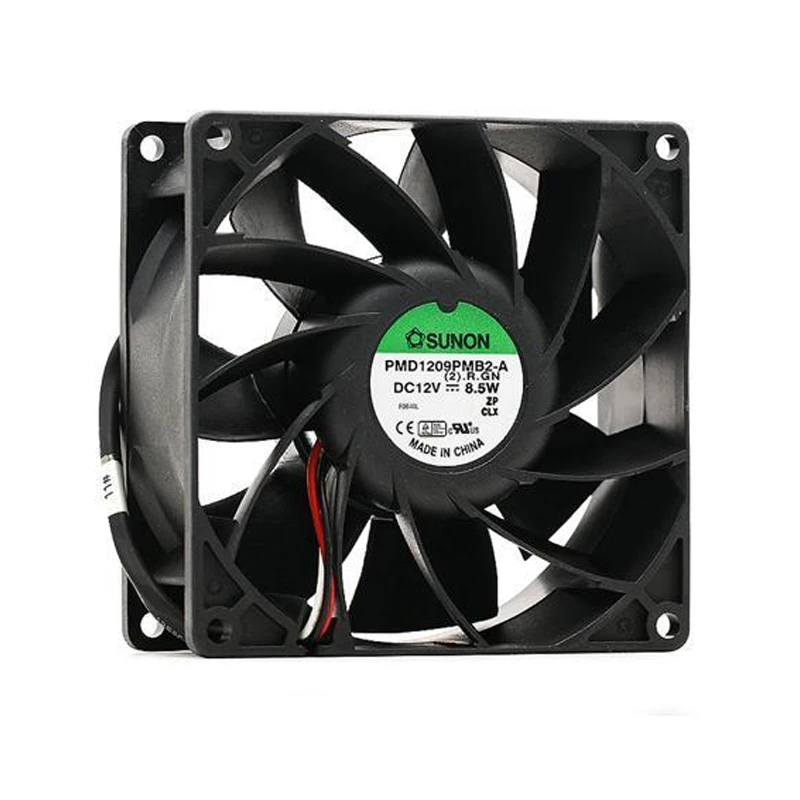
Applied in industrial electronics and equipment cooling, SUNON PMD1209PMB2-A is a 12 VDC DC axial fan in a 92 × 92 × 38 mm frame. Up to 180.6 m³/h is its most prominent listed performance figure. The recorded selection parameters should guide engineering comparison. Confirm temperature and service-life limits from current data.
Read More.GN-0.webp)
Within industrial electronics and equipment cooling, SUNON PMD1209PMB1-A(2).GN serves as a 92 × 92 × 38 mm DC axial fan operating at 12 VDC. Up to 204.34 m³/h is its most prominent listed performance figure. For engineering comparison, start with the supplied rated dataset. Confirm temperature and service-life limits from current data.
Read More.GN-0.webp)
SUNON PMD2412PMB2-A(2).GN is a 24 VDC DC axial fan in a 120 × 120 × 38 mm format for industrial electronics and equipment cooling. Up to 288.8 m³/h is its most prominent listed performance figure. Use the documented motor input when planning engineering comparison. Confirm temperature and service-life limits from current data.
Read More
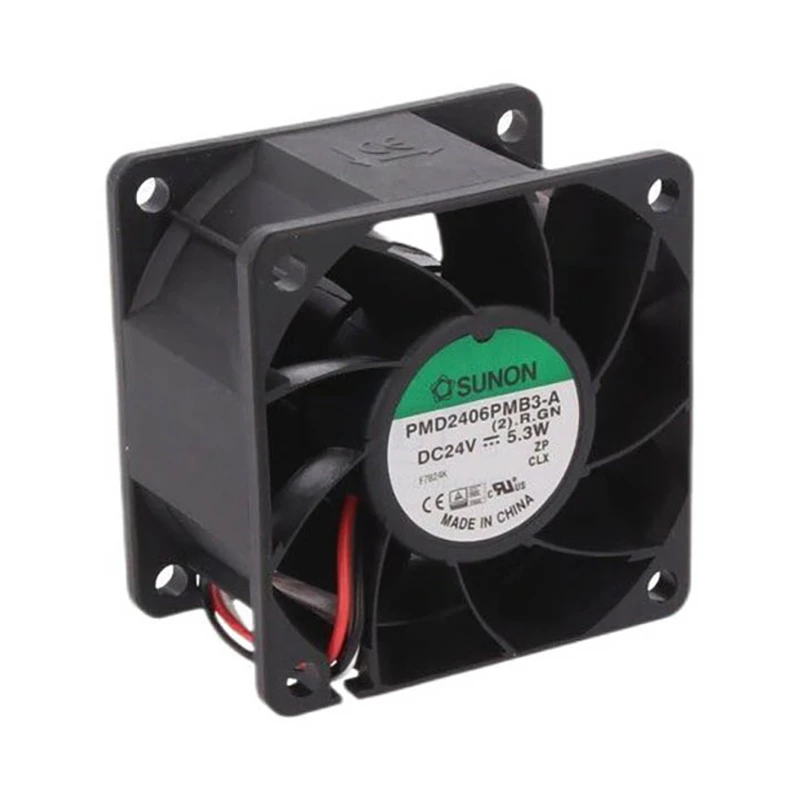
The 60 × 60 × 38 mm PMD2406PMB3-A.VDC brings 24 VDC DC blower cooling to industrial electronics and equipment cooling. 132 Pa maximum pressure is the standout documented duty-point value. Treat the equipment fit as a primary input to engineering comparison. Confirm temperature and service-life limits from current data.
Read More