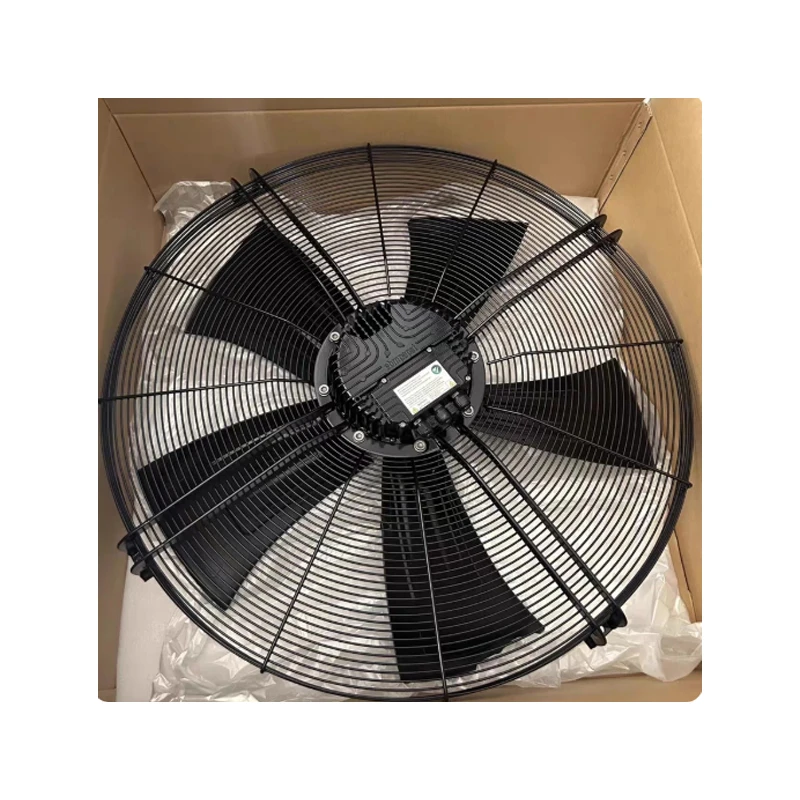
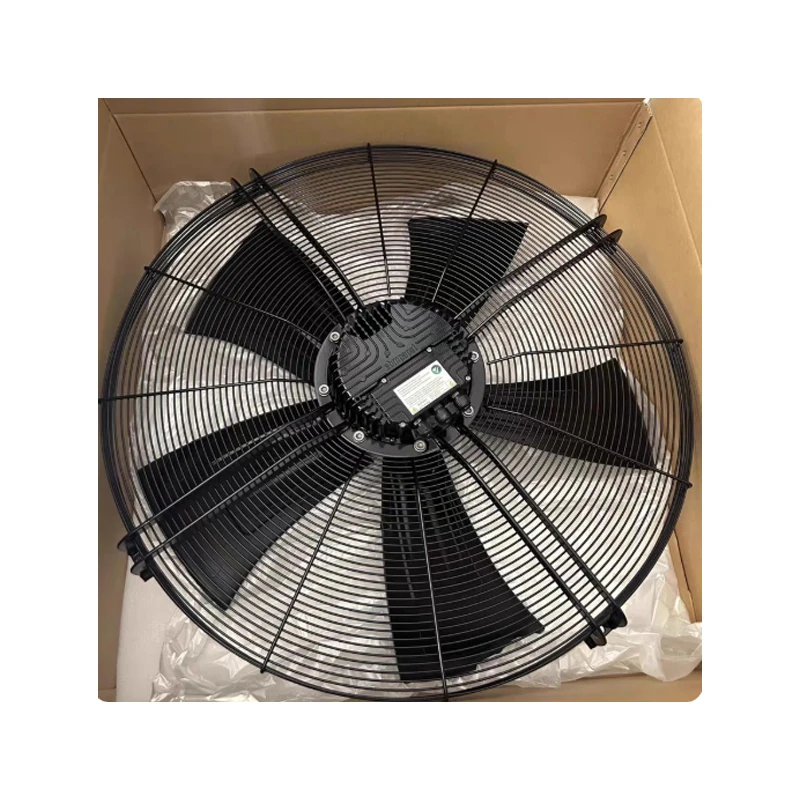
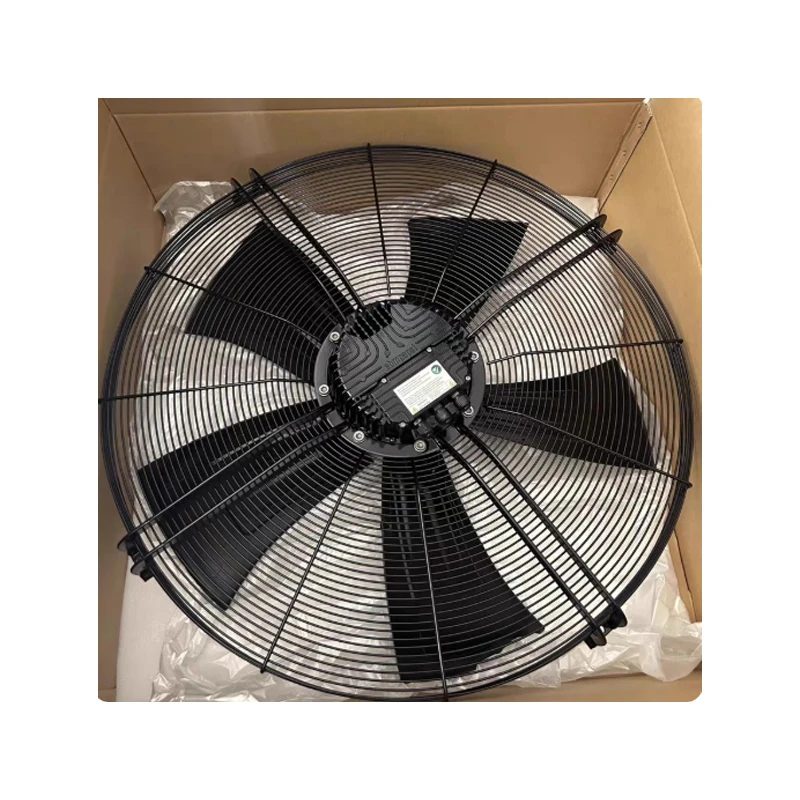
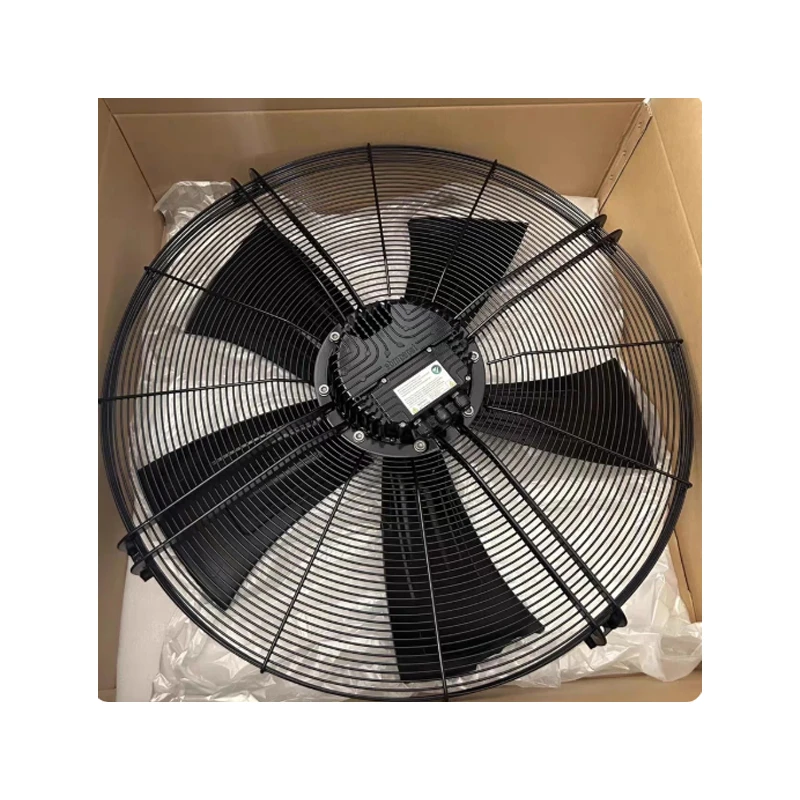
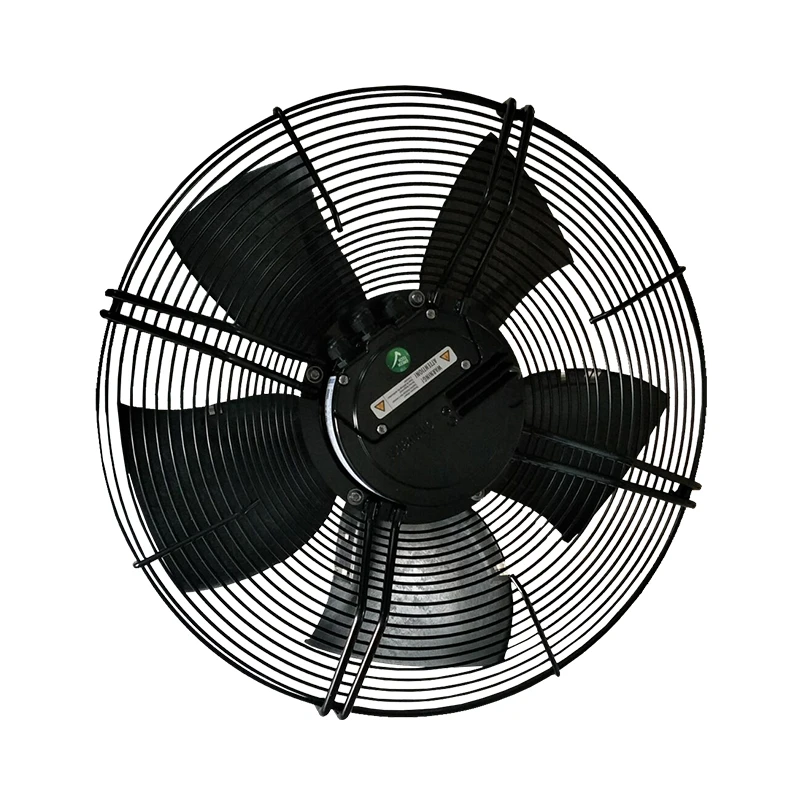
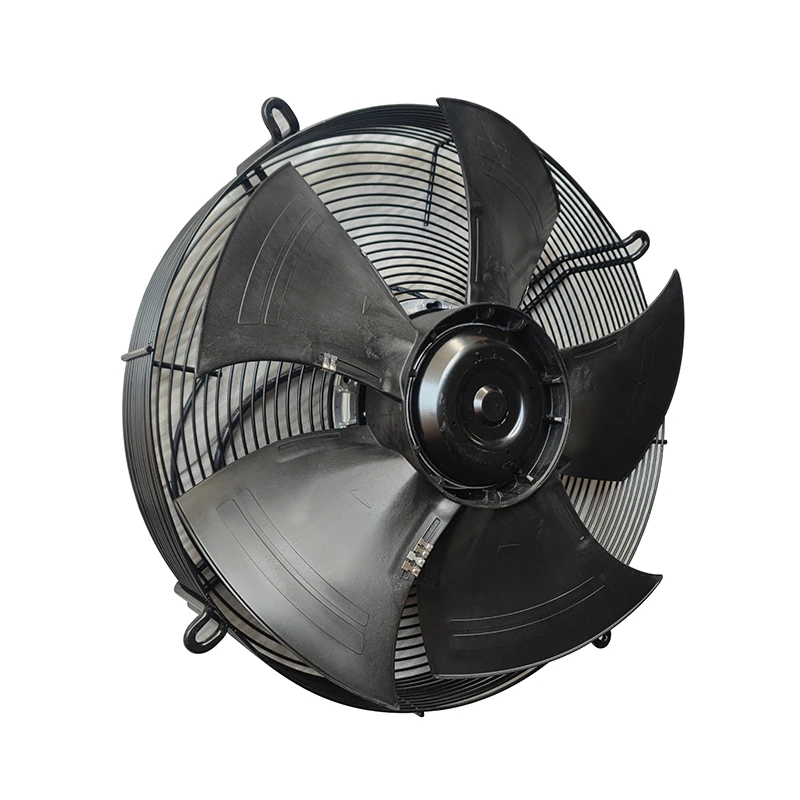
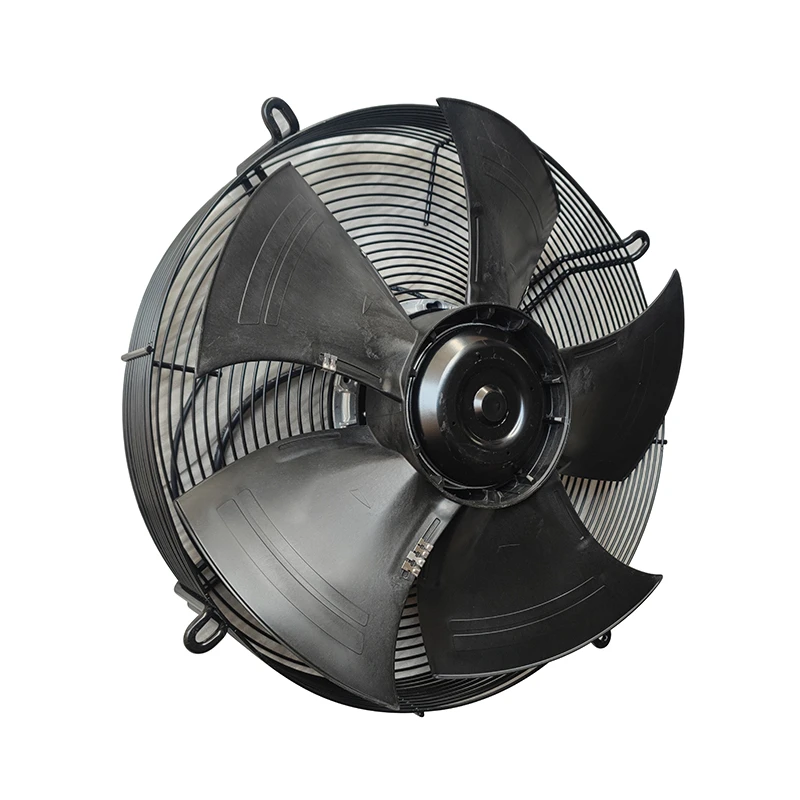
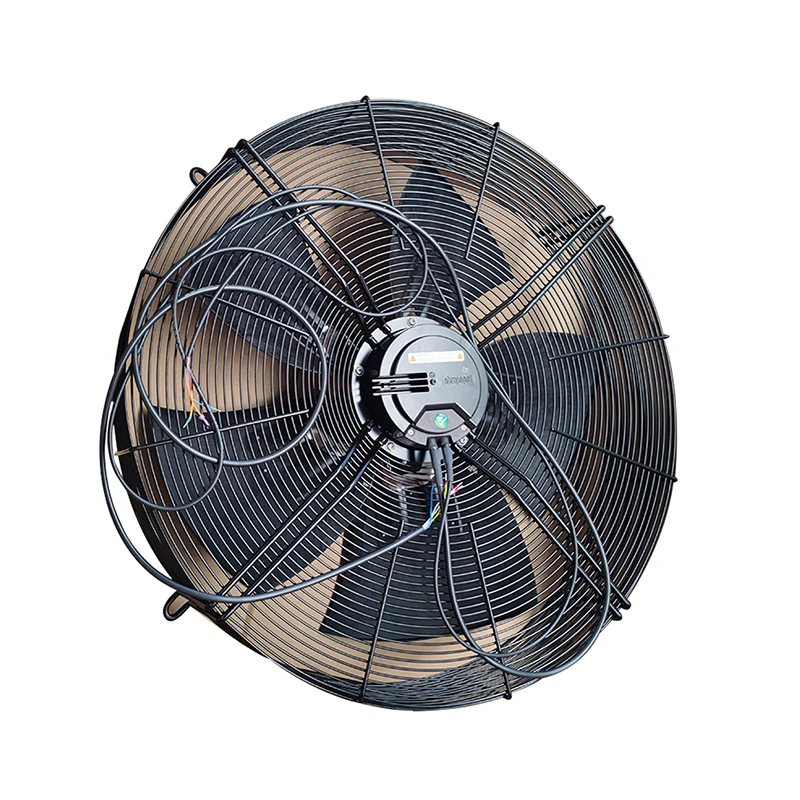
| Mfr Part # | Rated Voltage(V) | Size(mm) | Max.Air Flow(m³/h) | Max.Pressure(Pa) | Input Power(W) | Speed(rpm) | Noise(db) | |
|---|---|---|---|---|---|---|---|---|
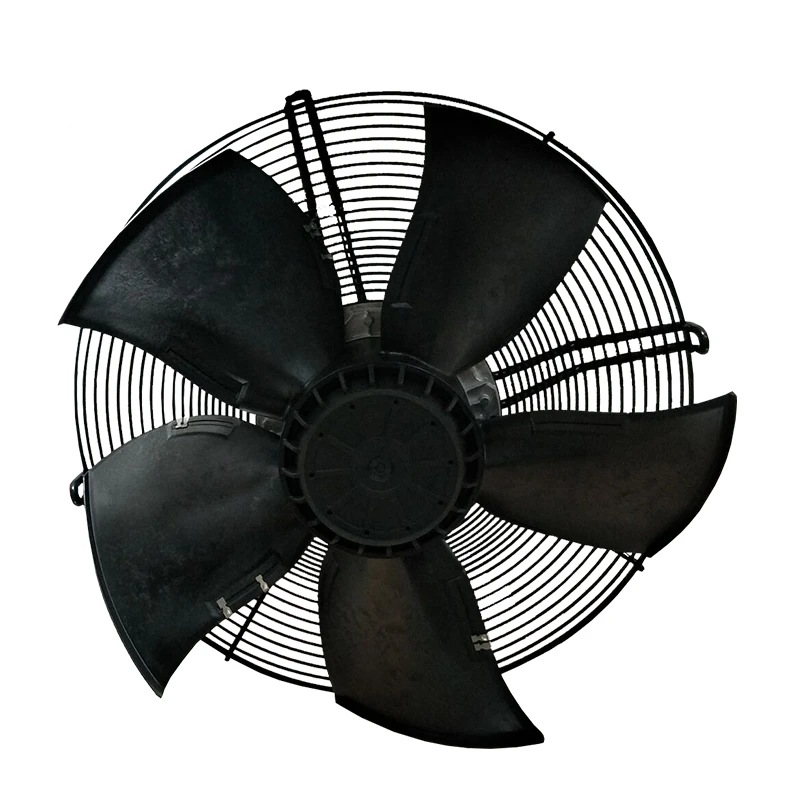
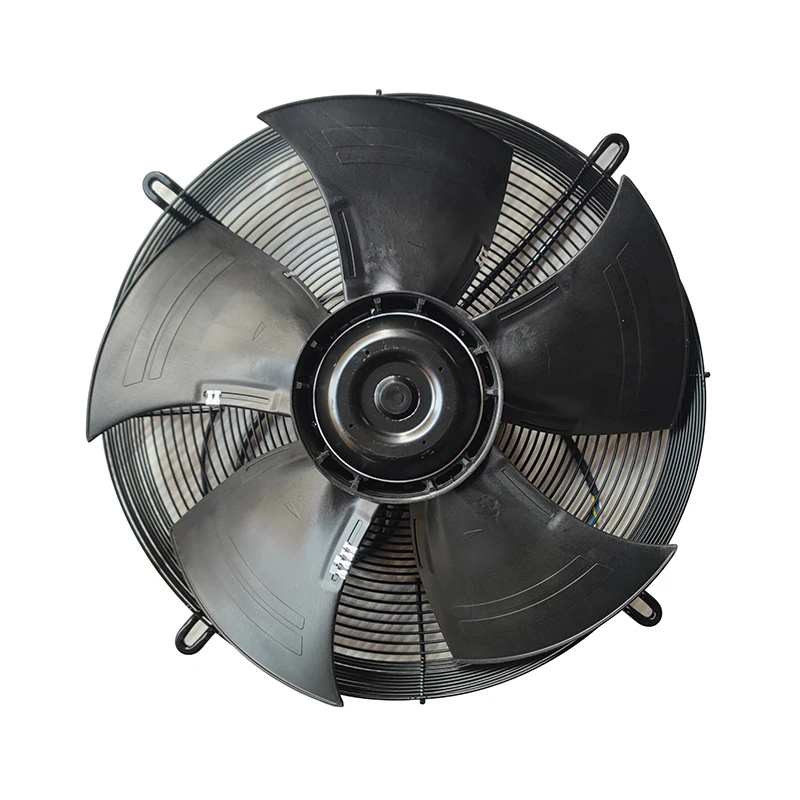
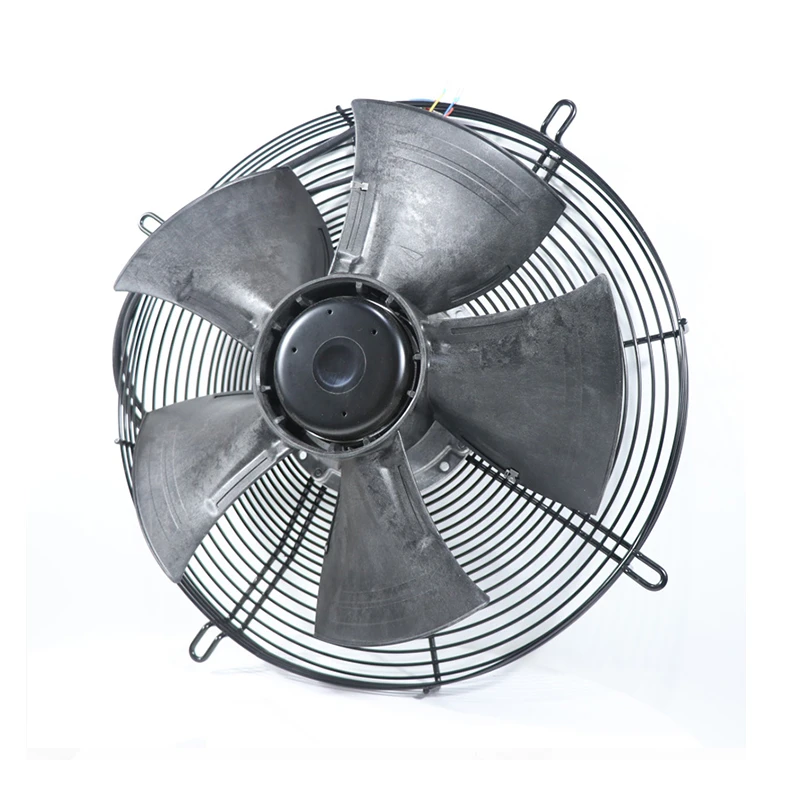
![]() S3G910-CV12-67 | ebm-papst 3~380-480V EC Axial Fan for Air Handling Cooling Applied in Air Handling Cooling, the ebm-papst S3G910-CV12-67 is a 380-480V EC axial fan, offering 910 mm dimensions for installation planning. This enables specification-led selection. |
3~380-480 | 910 | - | - | - | - | - | |
![]() S3G910-CU27-06 | ebm-papst 3~380-480V 2300W EC Axial Fan for Air Handling Cooling Used in Air Handling Cooling, ebm-papst S3G910-CU27-06 is a 380-480V EC axial fan, featuring a listed airflow of 33,705 m³/h. The data supports model-level evaluation. Its documented data supports integration planning. |
3~380-480 | 910 | 33705 | 190 | 2300 | 955 | 69 | |
![]() S3G910-CS35-67 | ebm-papst 3~380-480V EC Axial Fan for Air Handling Cooling Configured for Air Handling Cooling, the ebm-papst S3G910-CS35-67 is a 380-480V EC axial fan, offering 910 mm dimensions for installation planning. This enables specification-led selection. |
3~380-480 | 910 | - | - | - | - | - | |
![]() S3G910-CV02-06 | ebm-papst 3~380-480V 3150W EC Axial Fan for Air Handling Cooling Built for Air Handling Cooling, ebm-papst S3G910-CV02-06 is a 380-480V EC axial fan, noted for a documented 3,150 W input rating. It supports replacement and design review. Its documented data supports integration planning. |
3~380-480 | 910 | - | - | 3150 | 1100 | - | |
![]() S3G500-AE33-01 | ebm-papst 3~380-480V 1050W EC Axial Fan for Air Handling Cooling Used in Air Handling Cooling, ebm-papst S3G500-AE33-01 is a 380-480V EC axial fan, characterized by a listed pressure capability of 180 Pa. This helps guide installation planning. Its documented data supports integration planning. |
3`380-480 | 500 | 10630 | 180 | 1050 | 1440 | 75 | |
![]() S3G500-8317086785 | ebm-papst 3~380-480V EC Axial Fan for Energy Storage Cooling Used in Energy Storage Cooling, the ebm-papst S3G500-8317086785 is a 380-480V EC axial fan, documented with 500 mm dimensions for installation planning. It supports replacement and design review. |
3`380-480 | 500 | - | - | - | - | - | |
![]() S3G500-8317083519 | ebm-papst 3~380-480V EC Axial Fan for Energy Storage Cooling Aimed at Energy Storage Cooling, the ebm-papst S3G500-8317083519 is a 380-480V EC axial fan, with a focus on 500 mm dimensions for installation planning. This enables specification-led selection. |
3`380-480 | 500 | - | - | - | - | - | |
![]() S3G500-ZQ12-90 | ebm-papst 400V 1950W EC Axial Fan for Energy Storage Cooling Configured for Energy Storage Cooling, ebm-papst S3G500-ZQ12-90 is a 400 V EC axial fan, centered on a listed pressure capability of 500 Pa. The value helps verify equipment fit. Its documented data supports integration planning. |
400 | 500 | 12620 | 500 | 1950 | 1870 | 81 | |
![]() S3G710-AO85-21/F01 | ebm-papst 230V 700W EC Axial Fan for Refrigeration Cooling Intended for Refrigeration Cooling, the ebm-papst S3G710-AO85-21/F01 is a 230 V EC axial fan, whose supplied data highlights a listed airflow of 14,680 m³/h. The rating clarifies its operating profile. |
230 | 710 | 14680 | 105 | 700 | 830 | 69 | |
![]() S3G500-BE33-01 | ebm-papst 400V 1050W EC Axial Fan for Industrial Equipment Cooling Engineered around Industrial Equipment Cooling, the ebm-papst S3G500-BE33-01 is a 400 V EC axial fan, documented with a listed pressure capability of 180 Pa. This supports duty-point selection. |
400 | 500 | 10630 | 180 | 1050 | 1440 | 75 | |
![]() S3G500-AM56-21 | ebm-papst 230V 750W EC Axial Fan for Refrigeration Cooling Specified for Refrigeration Cooling, ebm-papst S3G500-AM56-21 is a 230 V EC axial fan, featuring a listed acoustic value of 53 dB. This supports duty-point selection. Its documented data supports integration planning. |
230 | 500 | 9245 | 175 | 750 | 1420 | 53 | |
![]() S3G400-KC22-51 | ebm-papst 230V 400W EC Axial Fan for Air Handling Cooling Aimed at Air Handling Cooling, ebm-papst S3G400-KC22-51 is a 230 V EC axial fan, centered on a listed acoustic value of 55 dB. The value helps verify equipment fit. Its documented data supports integration planning. |
230 | 400 | 5620 | 160 | 400 | 1660 | 55 |
The most reliable way to specify EC Axial is to work from the system, not from the catalog. Measure or calculate the airflow and pressure demand first, add the dimensional limits of the mounting position, and only then shortlist series whose curves cover your operating point with margin.
Electrical matching is the next gate. Confirm the supply voltage — 12 V, 24 V or 48 V DC for compact electronics cooling, 115 V or 230 V AC for equipment and panel cooling — and decide whether you need speed control. EC models accept PWM or 0-10 V signals and report speed through a tachometer output, which makes them the default choice for variable-airflow systems, while AC units remain a cost-effective answer for fixed-speed duty.
Then filter by environment. High ambient temperature, dust or moisture loads dictate the IP rating and bearing choice — ball bearings keep airflow and noise stable over years, while sleeve bearings suit light-duty horizontal mounting. Regulatory needs such as UL, CE and RoHS recognition should be confirmed before the shortlist goes to purchasing, together with a maximum allowed sound pressure level in dBA.
End the process by checking supply, not just specification: confirm current stock, the lead time for follow-up quantities, and obtain datasheets and dimension drawings so the mechanical interface is verified before the PO. Send us your airflow and pressure requirements and our engineers will confirm the best-matched series — 132 products are available in this category today.
The daily work of our sales engineers is built around EC Axial used in data center cooling, refrigeration and cold chain projects, building ventilation, telecom base stations, medical devices and industrial control cabinets — environments where a stopped fan is a stopped business process. That daily exposure to real installations is exactly what we bring back into every selection: not just reading curves, but knowing which models survive dust, heat, continuous duty and restricted service access.
A typical case: an equipment builder needed to replace an aging AC fan inside a control cabinet that could not be taken offline for more than an hour. By cross-referencing the frame dimensions, voltage and airflow curve, we supplied a current-series drop-in replacement with a matching tachometer signal, and the swap was completed during a scheduled maintenance window.
Refrigeration and cold chain customers bring us another pattern: the failed condenser fan is unavailable for weeks. Comparing diameter, speed, bearings and IP rating, we supply a functionally equivalent unit from stock so the system returns to duty the same week — the reason many service companies keep our contact number on file.
From one-piece emergency replacements to volume supply for equipment manufacturers, every ebmpapst enquiry is handled by the same rule: verify the parameters first, then quote — so what arrives on site is the fan the project actually needs.
Single-piece orders and samples are welcome — many customers validate one unit in their system before committing to volume. There is no minimum order quantity for standard stock models, and the sample price is deducted from the bulk order in most repeat purchases. Tell us the quantity you plan to use and we will quote both scenarios.
Yes. Beyond catalogue models we can discuss modified lead wires, connectors, speed curves, IP upgrades or private-label packaging for OEM projects. Customization usually starts from a defined annual quantity; our engineers will review your requirement and confirm feasibility, tooling cost and lead time before any commitment.
Every unit is covered by the manufacturer's warranty against defects in materials and workmanship, and we support you through the whole claim process so you deal with one supplier instead of chasing a factory overseas. If a failure appears in service, send us the serial number, operating conditions and photos, and we will arrange the replacement or credit path agreed in the quotation.
Bag
Bag packaging indicates that a specified quantity of product is packaged by the manufacturer in a bag, sealed pouch, or similar container and sold as a unit without repackaging. It is also used to describe kits/assortments where components are packaged in separate bags according to part number or parametric value, rather than in a compartmentalized box or similar rigid container.