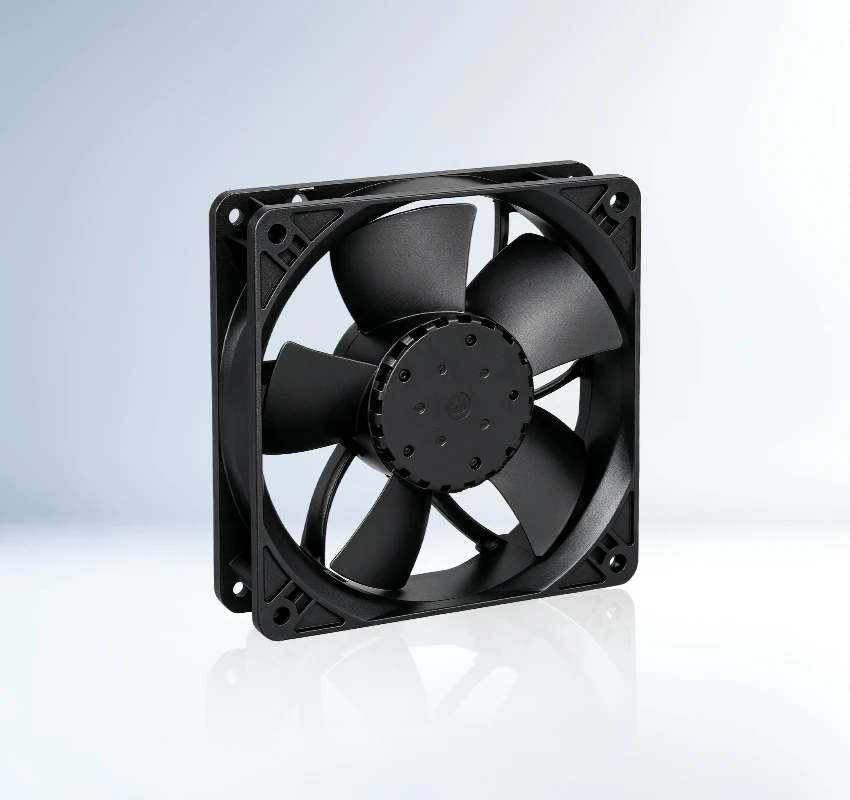
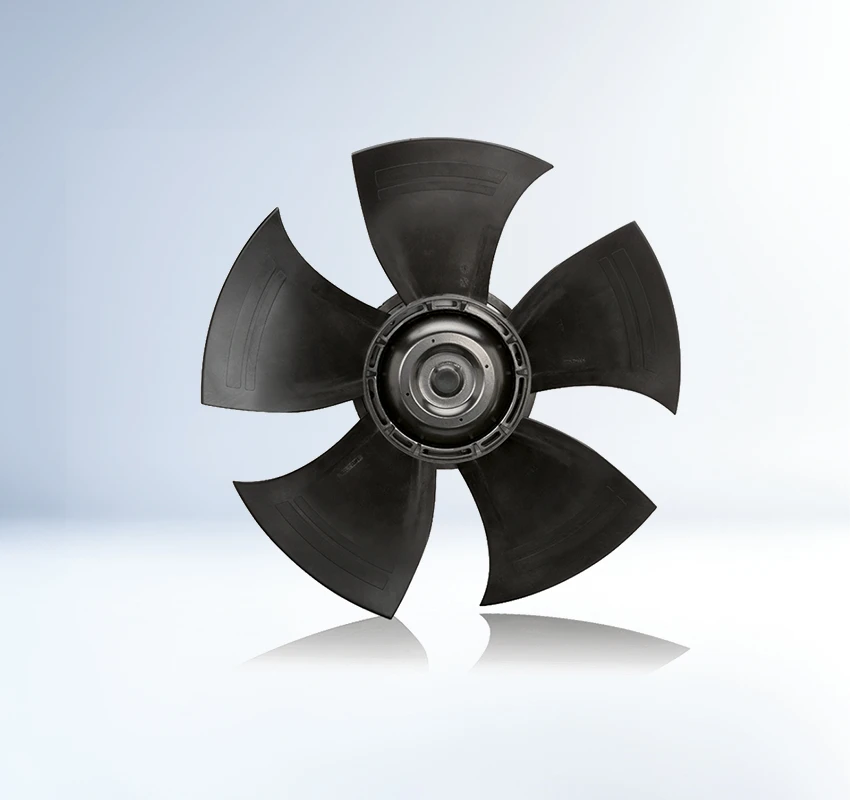
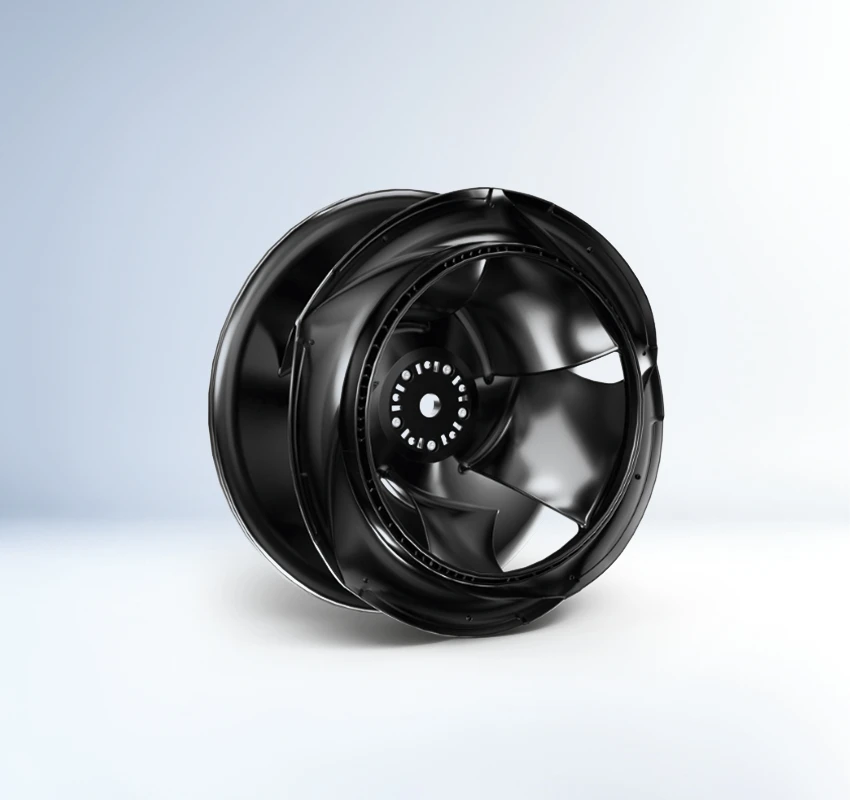
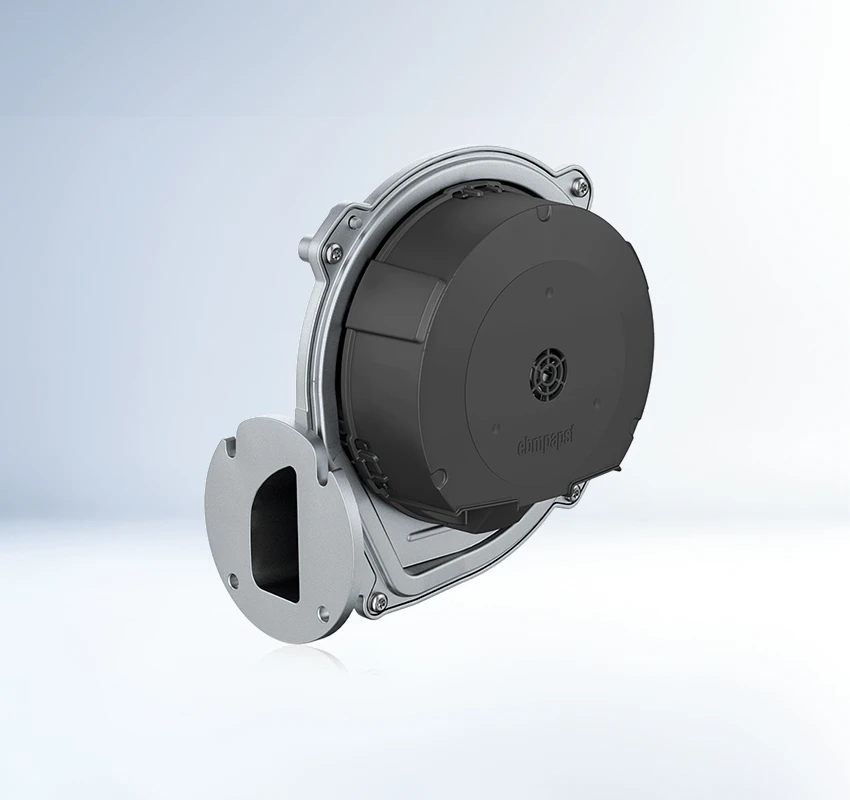
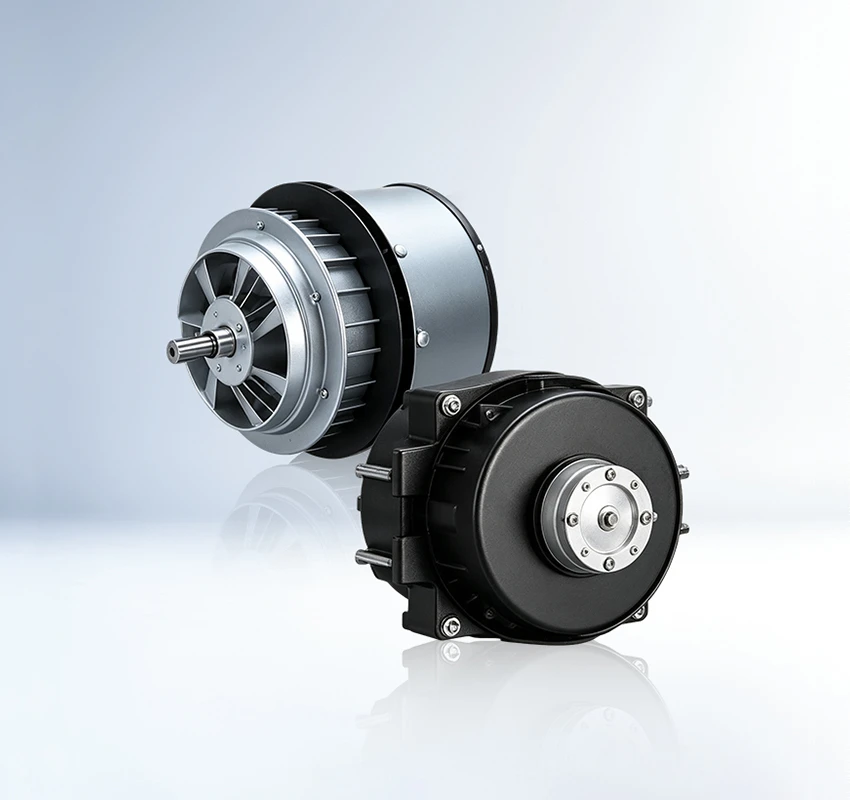
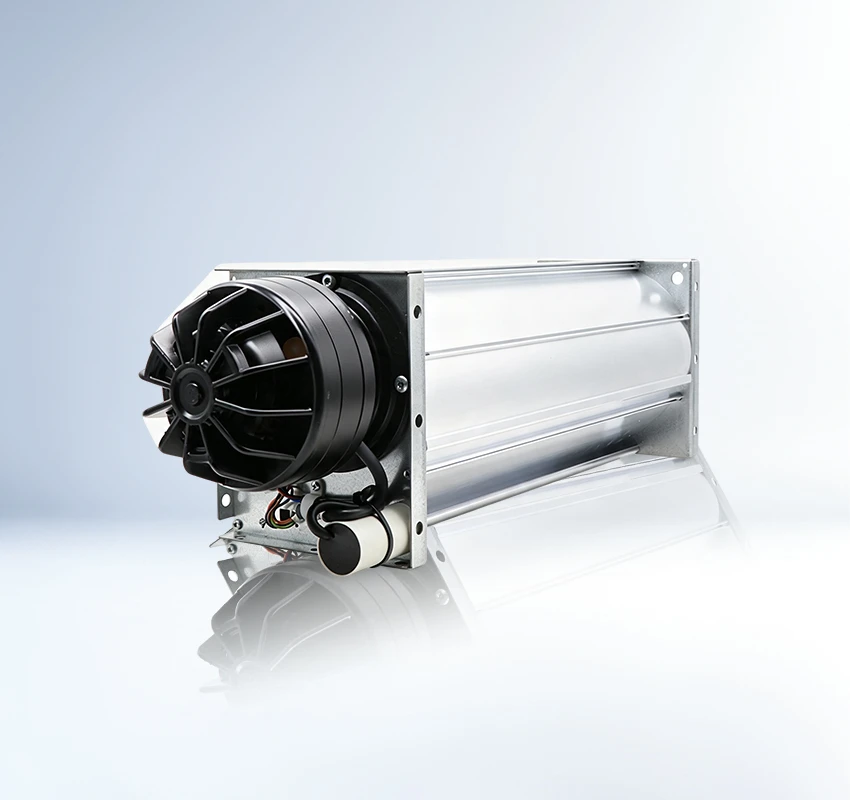
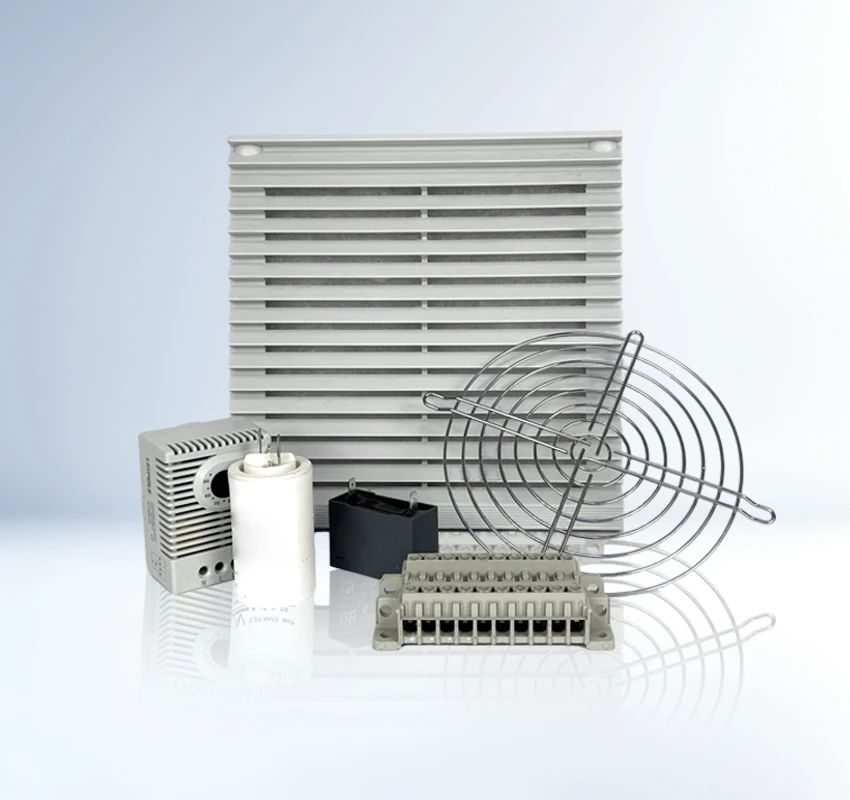
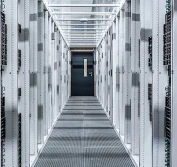
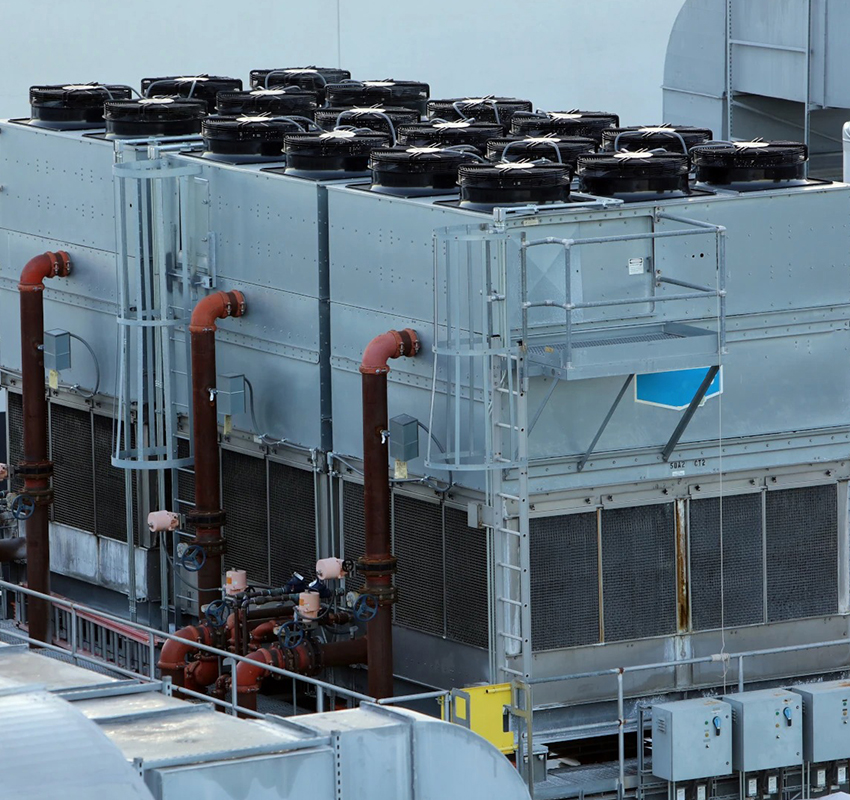
Rosenberg Ventilatoren GmbH is a German industrial ventilation specialist headquartered in Einbeck, Germany. Founded in 1981, Rosenberg has grown to become a major supplier of fans and ventilation components for HVAC, data centers, industrial processes, and infrastructure projects worldwide. The Rosenberg product family includes the ECOFIT line of EC (Electronically Commutated) fans for high-efficiency HVAC applications, the ETRI series of compact centrifugal blowers, and a comprehensive range of AC and DC axial fans. Rosenberg fans are widely used in data center cooling systems, where their PSC (Permanent Split Capacitor) motors and EC drive options deliver exceptional energy density and quiet operation. Hengrui is an authorized Rosenberg distributor in China, supplying the complete Rosenberg portfolio including the ECOFIT EC range, ETRI blower series, and custom ventilation systems with competitive factory-direct pricing, original spare parts inventory, and professional technical consultation.
| Mfr Part # | Rated Voltage(V) | Size(mm) | Max.Air Flow(m³/h) | Max.Pressure(Pa) | Input Power(W) | Speed(rpm) | Noise(db) | |
|---|---|---|---|---|---|---|---|---|
As a professional industrial fan and blower supplier, we have supplied Rosenberg products to customers for over 20 years, covering the full journey from model selection and quotation to delivery and after-sales support.
The products are widely used in HVAC and ventilation, refrigeration and cold chain equipment, data center cooling and many other fields. Share your required airflow, static pressure and installation dimensions, and we will match them against the available series and confirm stock or lead time in one reply.
Replacement supply is one of our core strengths. For discontinued or long-lead-time Rosenberg models, we check frame size, speed, power and curves one by one and deliver a drop-in alternative proposal, which has helped factories, equipment builders and facility operators avoid costly downtime.
Working with us means one contact for the whole lifecycle of your Rosenberg equipment: technical selection support before you buy, datasheets and dimension drawings for engineering review, flexible quantities from a single sample to bulk orders, and responsive after-sales assistance if anything needs attention in service.
Choosing the right rosenberg starts with the operating point rather than the model name. Define the airflow you actually need in CFM or m³/h and the static pressure the fan must overcome, then look for units whose performance curves pass through that point with a safety margin instead of sitting at the edge of the curve.
Pay attention to the electrical details early. DC fans typically run on 12/24/48 V and integrate easily with control boards, while AC fans suit 115/230 V fixed-speed installations. If the airflow must change with load, choose EC technology with PWM or analog control and, where monitoring matters, a tachometer output so the controller can detect fan failure.
Environment and compliance come next. Match the IP rating to dust and moisture exposure, prefer ball bearings wherever the fan runs hot, vertically or around the clock, and confirm certifications — UL, CE, RoHS — against your destination market. Setting the acoustic limit in dBA early prevents late-stage redesign when the first unit proves too loud.
Finally, compare candidates on total delivery risk, not only on price: confirm stock for the quantity you need, check the lead time for the next batch, and ask for datasheets and dimension drawings before committing. Our team cross-checks curves, dimensions and electrical data for you before quotation.
Rosenberg appear in almost every sector where heat or stale air must be moved reliably. Typical environments include server rooms and data centers, refrigeration condensers and cold-store evaporators, HVAC air handling units, telecom cabinets, medical and laboratory equipment, welding and CNC machine enclosures, and renewable-energy power cabinets. In each of these settings the fan is a critical component: its failure stops production, damages stored goods or forces expensive emergency downtime.
One recurring scenario comes from control cabinet retrofits: the original fan is obsolete, the mounting hole pattern cannot change, and downtime is measured in hours. We match the old unit against current series by frame size, airflow and noise, propose the closest drop-in alternative, and ship with a datasheet that lets the electrician connect it without redesign.
For cold storage operators the pain is simple: a failed evaporator or condenser fan must be replaced now, not after a six-week import cycle. Matching blade diameter, speed and protection class against stocked equivalents lets us restore cooling capacity within days, which is why replacement supply has become a core part of this category for us.
Whether the project involves new equipment or the replacement of installed Rosenberg units, the workflow is the same: send us the operating point and constraints, and we return a validated selection with datasheets, curves and a clear lead time.
Common series and mainstream voltage versions are normally in stock and can ship within a few working days; specialized or customized variants are produced to order and typically require additional production time. Send us the exact model or the required parameters and we will confirm stock, unit price and the earliest shipment date in one reply.
Yes. Replacement supply is one of our core services: we cross-reference the mounting dimensions, voltage, speed and performance curve of your installed unit and propose the closest current-series equivalent. Where the frame or connector differs slightly, we state the difference clearly before you order, so the replacement installs without surprises.
Single-piece orders and samples are welcome — many customers validate one unit in their system before committing to volume. There is no minimum order quantity for standard stock models, and the sample price is deducted from the bulk order in most repeat purchases. Tell us the quantity you plan to use and we will quote both scenarios.
Bag
Bag packaging indicates that a specified quantity of product is packaged by the manufacturer in a bag, sealed pouch, or similar container and sold as a unit without repackaging. It is also used to describe kits/assortments where components are packaged in separate bags according to part number or parametric value, rather than in a compartmentalized box or similar rigid container.