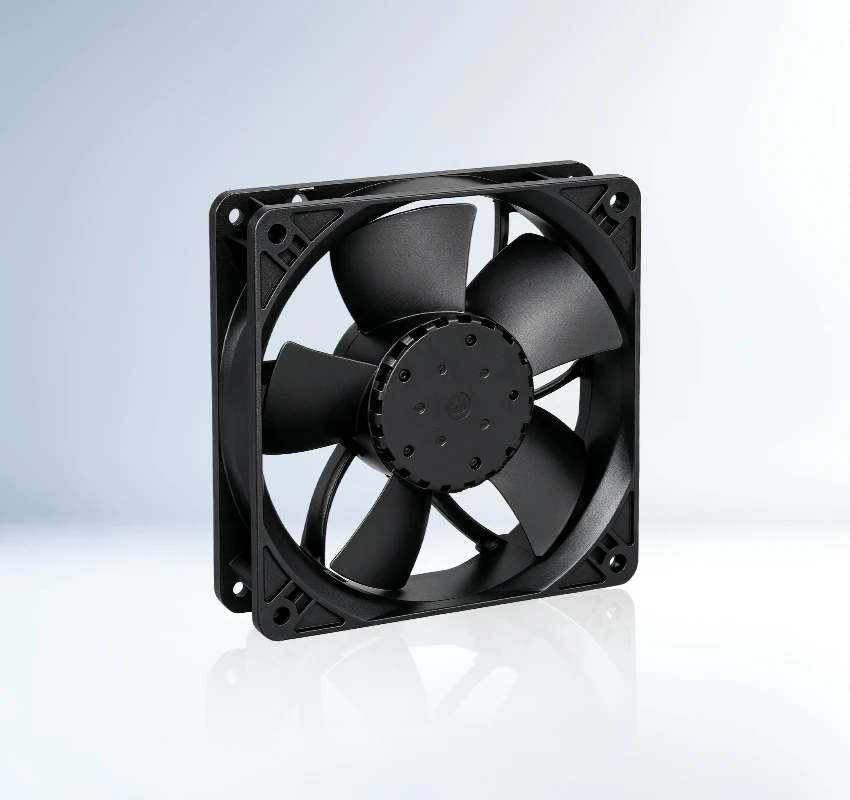
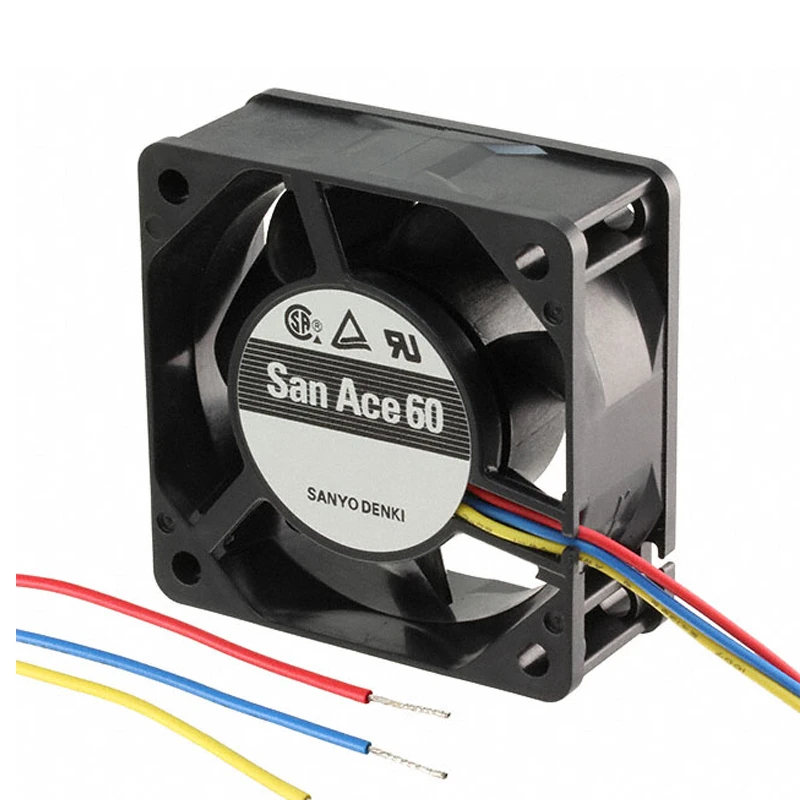
Sanyo Denki configures 9G0624P4S001 for servers, UPS systems, and telecom equipment as a 24 VDC DC axial fan with 60 × 60 × 25 mm dimensions. 11000 rpm is the model's most prominent operating value. The recorded rotational rating should guide controller selection. Verify the exact bearing and signal options in the datasheet.
| Rated Voltage(V) | 24 |
|---|---|
| Size(mm) | 60*60*25 |
| Max.Air Flow(m³/h) | 83.98 |
| Max.Pressure(Pa) | 298.9 |
| Input Power(W) | 8.16 |
| Speed(rpm) | 11000 |
| Noise(db) | 53 |
9G0624P4S001 is intended for dependable forced-air cooling in servers, storage systems and ICT equipment. This SANYO DENKI DC axial fan fits equipment designs where thermal stability affects service continuity.
With up to 83.98 m3/h airflow and 298.9 Pa static pressure, the model can move cooling air through vents, filters and compact internal passages. For design approval, verify airflow direction, connector details and available control signals. Prototype testing should include the final vents, guards and component loading.
Review airflow direction before design release. It supports stable operation across the intended load cycle. Confirm the final fan curve in the assembled equipment. Preserve clear inlet and outlet space during installation.
The San Ace 9G0624P4S001 supports thermal management in server chassis and computing nodes. These systems need continuous heat removal because compact layouts and rising power density restrict natural convection. It provides a practical cooling path for OEM integration.
For storage arrays and data appliances, 9G0624P4S001 provides a dedicated forced-air cooling path. These systems need continuous heat removal because compact layouts and rising power density restrict natural convection. It provides a practical cooling path for OEM integration.
SANYO DENKI 9G0624P4S001 serves network and other ICT hardware that operate with sustained internal heat. These systems need continuous heat removal because compact layouts and rising power density restrict natural convection. It provides a practical cooling path for OEM integration.
The worksheet lists 24 VDC. Check polarity or AC frequency and the wiring diagram before commissioning.
Verify supply, connector, obstructions, impeller movement, and alarm or protection status using the model-specific troubleshooting data.
Confirm connector and mounting details, keep the airflow path clear, and isolate power before cleaning or service.
The worksheet lists 298.9 Pa. Use the official curve to match it to system resistance.
Evaluate the exact bearing, life, temperature, alarm, and protection data. Correct sizing and clean airflow are also required for reliable operation.
Review ambient temperature, airflow restriction, contamination exposure, noise limit, mounting orientation, and maintenance access.

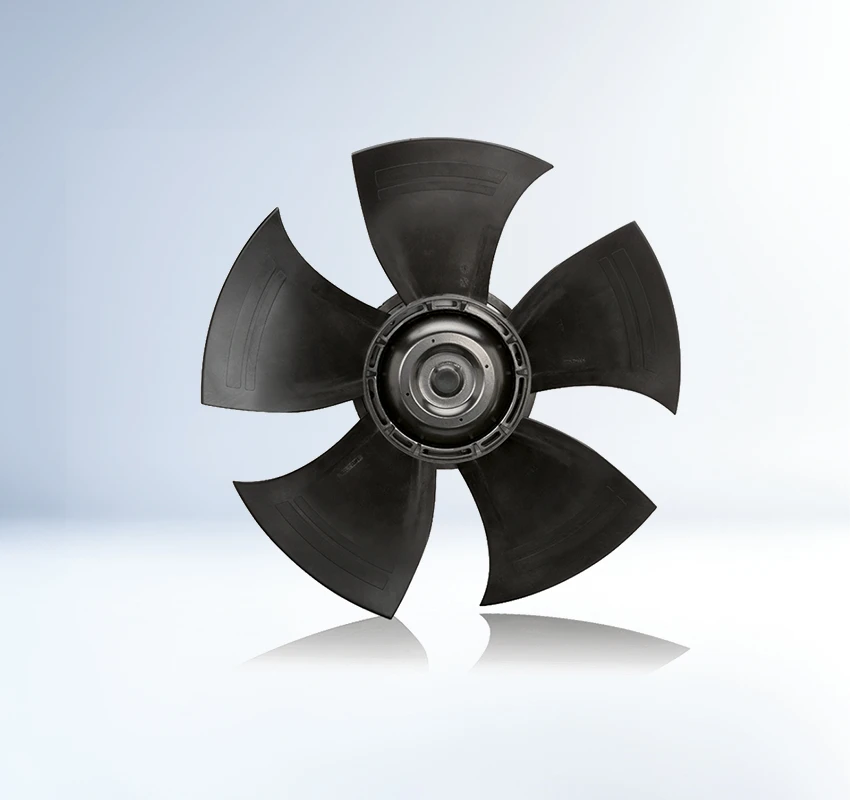
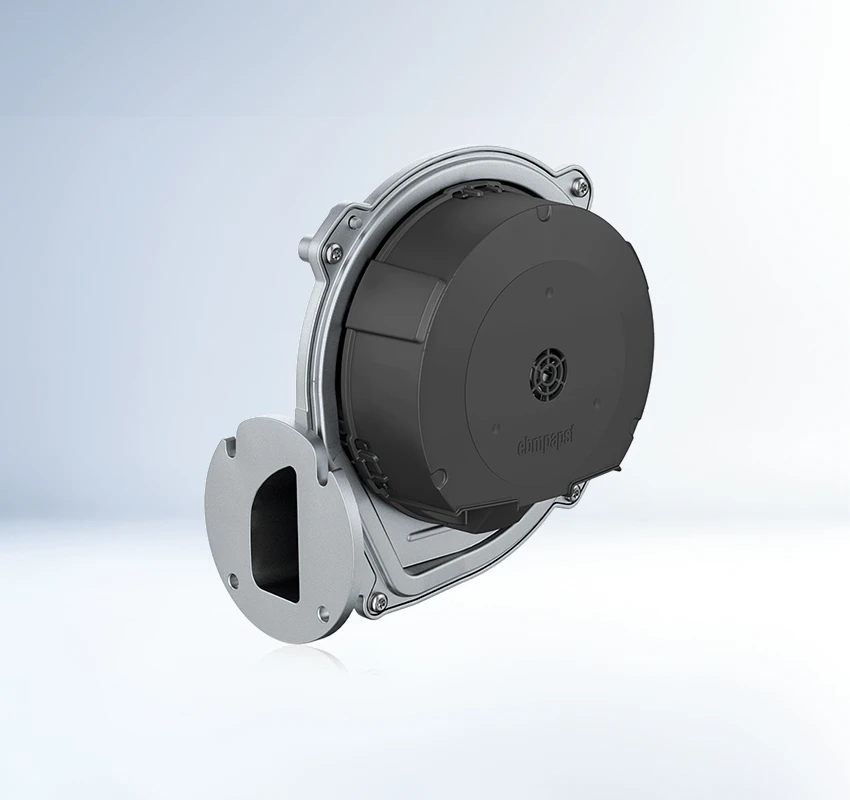
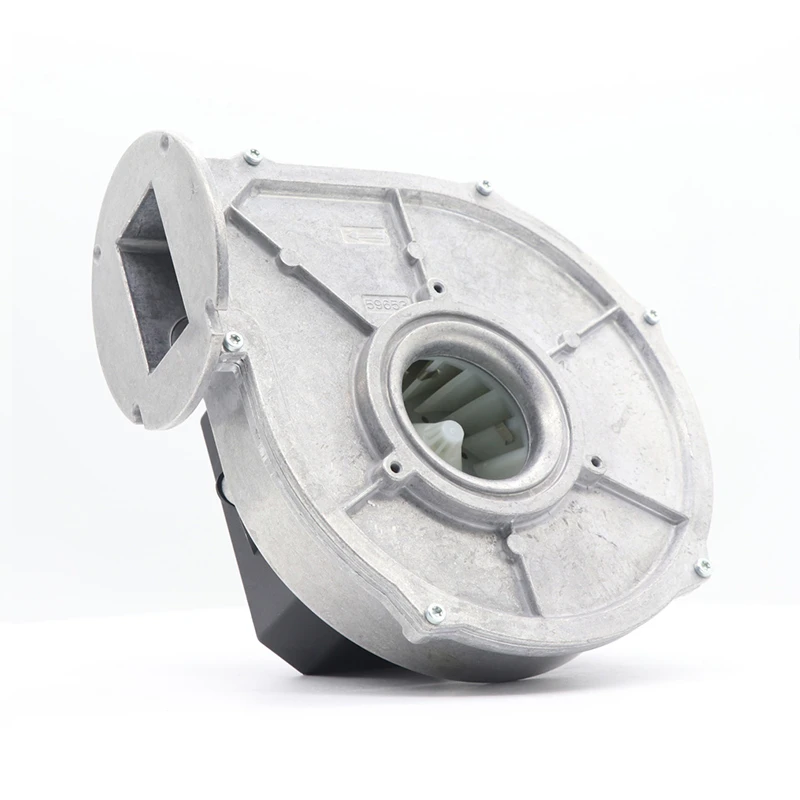
Aimed at Boiler Systems, the ebm-papst G1G146-BA07-52 is a 24 V EC backward-curved centrifugal fan, for which the table lists a listed pressure capability of 500 Pa. This assists electrical and mechanical review.
Read More
Integrated into Boiler Systems, the ebm-papst G1G133-DE19-15 is a 24 V EC backward-curved centrifugal fan, specified with a documented 45 W input rating. The rating aids system-fit checks.
Read More
Suited to Boiler Systems, ebm-papst G1G097-AA05-01 is a 24 V EC backward-curved centrifugal fan, marked by a documented 16 W input rating. It provides a practical sizing reference.
Read More
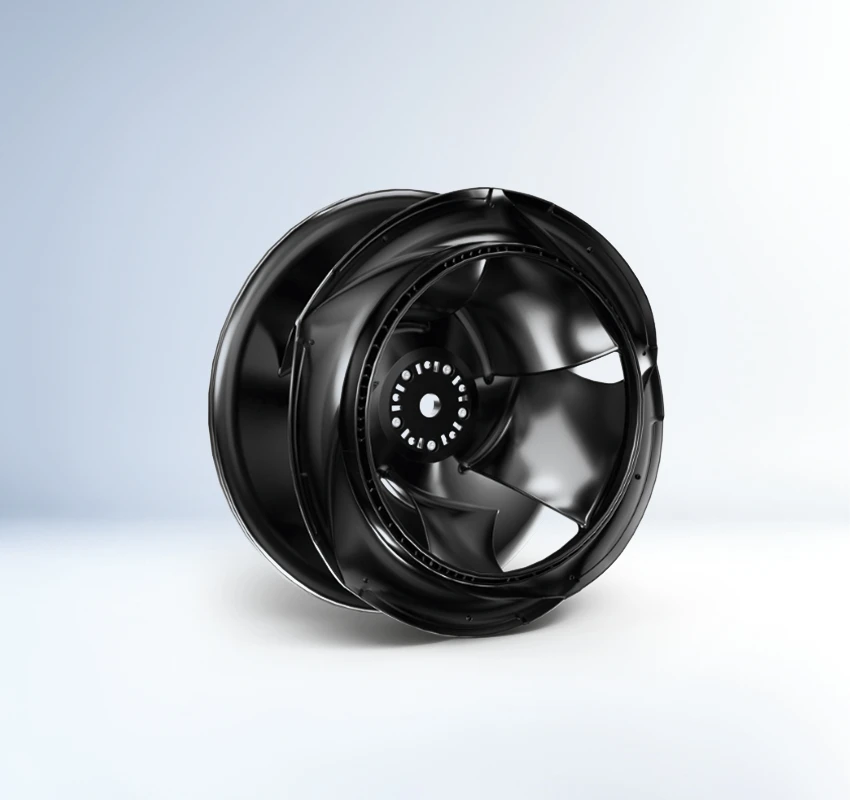
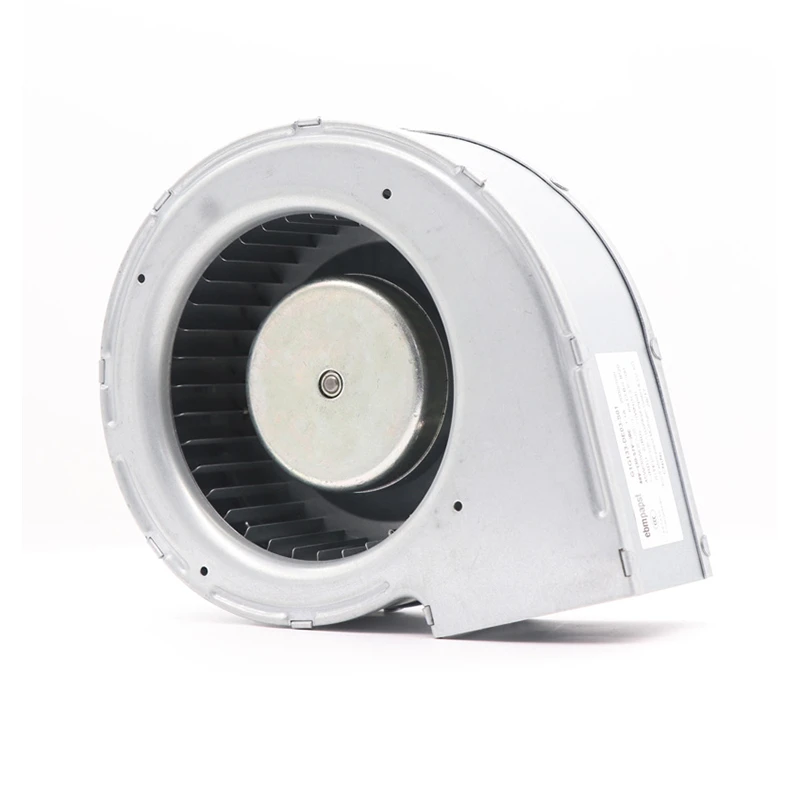
In inverter cooling, G2D180-BD18-13 serves as a 400 V AC centrifugal blower. Its standout data point is 840 Pa pressure with IP00 protection. It supports exact-model comparison for OEM sourcing and replacement work.
Read More
G2D180-BD18-11 is specified as a 400 V AC centrifugal blower for cnc machines. Its selection profile is led by 700 Pa pressure with 2,650 rpm operation. It supports exact-model comparison for OEM sourcing and replacement work.
Read More
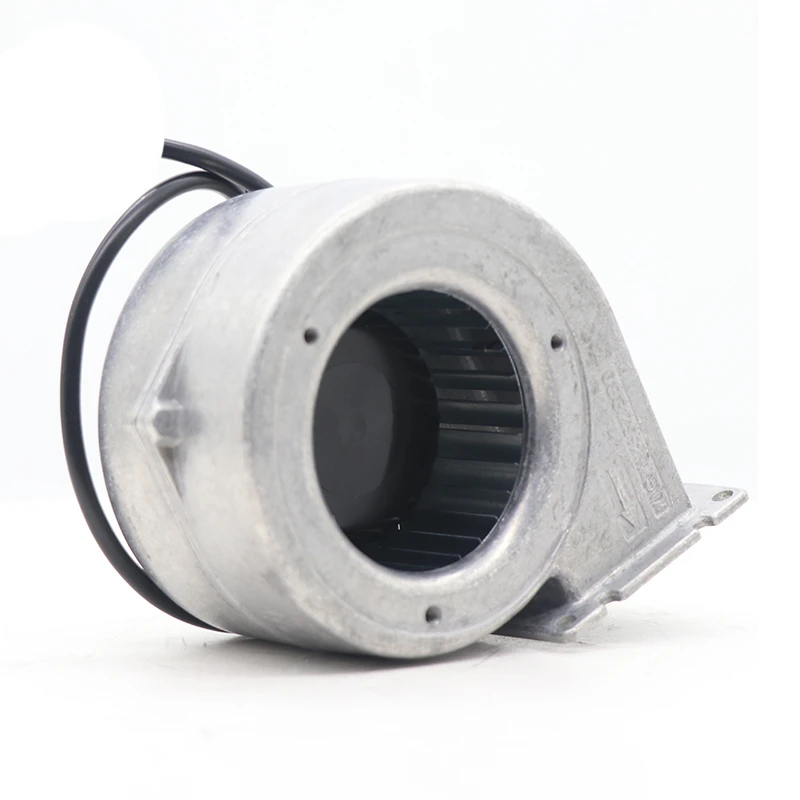
Designed around motor cooling, G2D160-AF02-09 uses a 230 V AC centrifugal blower platform. The model's defining specification is IP44 protection with 2,300 rpm operation. It supports exact-model comparison for OEM sourcing.
Read More