Get Quote
Home > EC Forward

EC Forward

By type

By industry

Rated Voltage(V)

Size(mm)

Max.Air Flow(m³/h)

Max.Pressure(Pa)

Input Power(W)

Speed(rpm)

Noise(db)

Stocking Options

Environmental Options

Media

Exclude

44 results

Applied Filters

Showing
21-40
1-20 21-40 41-44
of 44
Download Table
Mfr Part # Rated Voltage(V) Size(mm) Max.Air Flow(m³/h) Max.Pressure(Pa) Input Power(W) Speed(rpm) Noise(db)
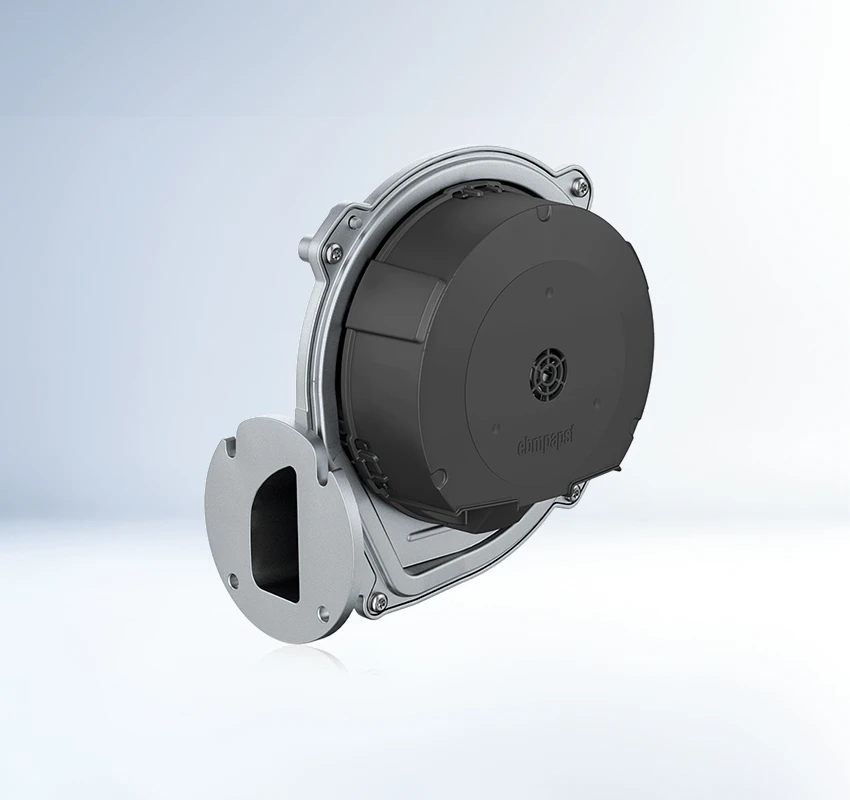
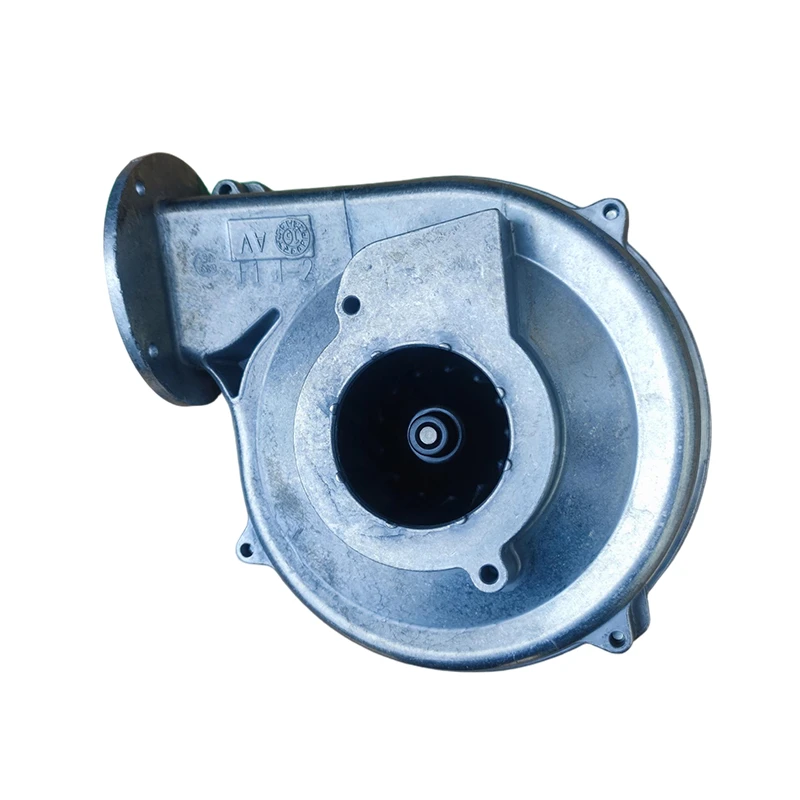
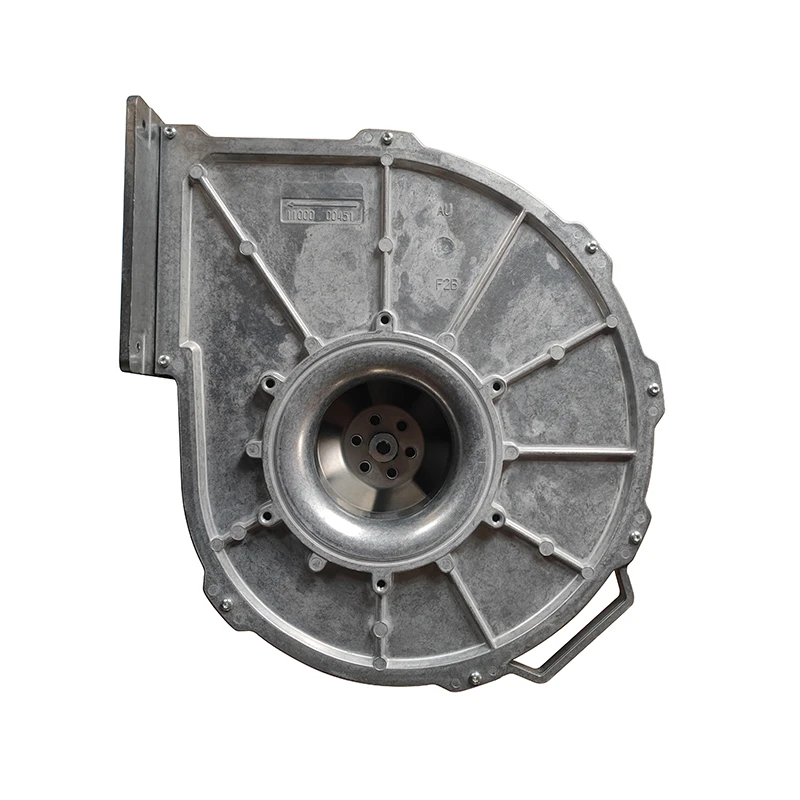
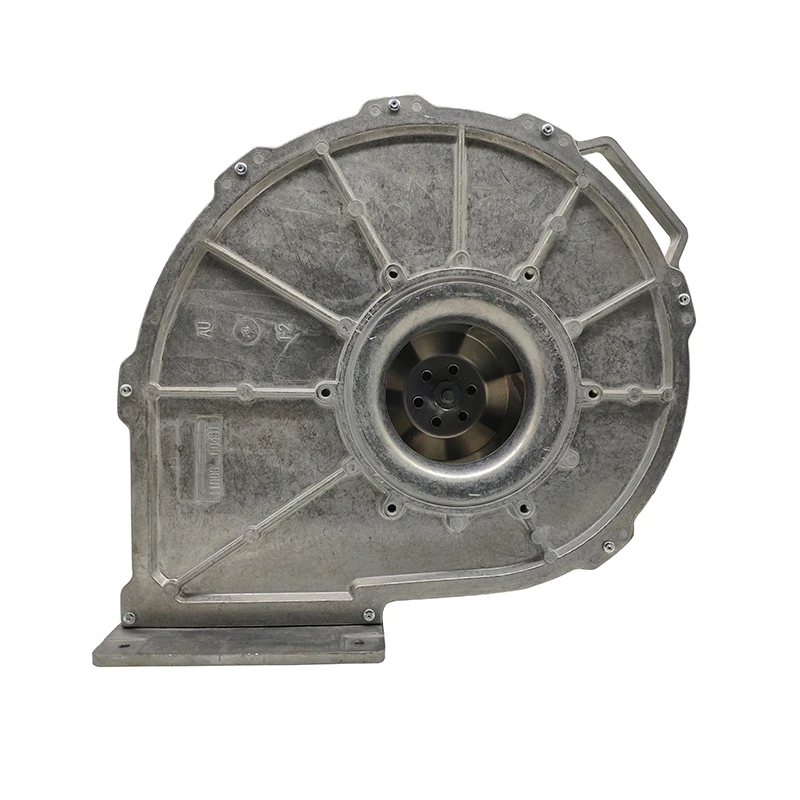
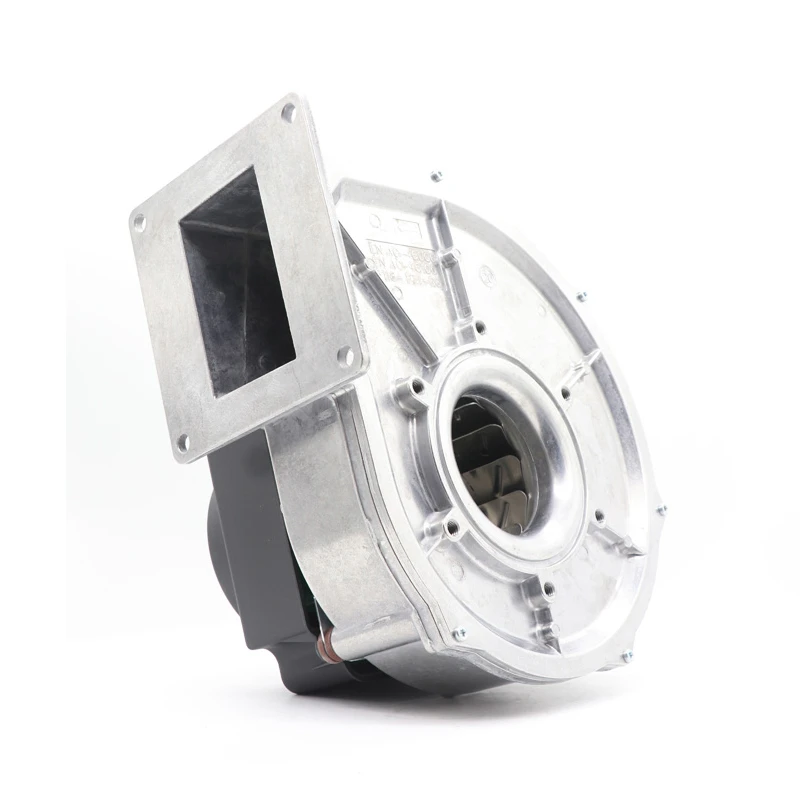
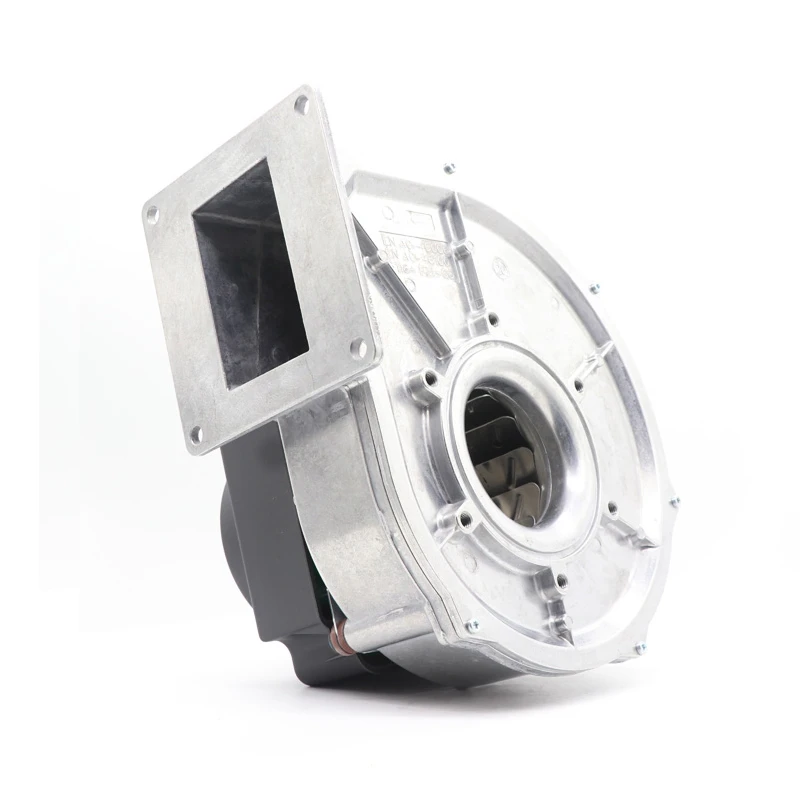
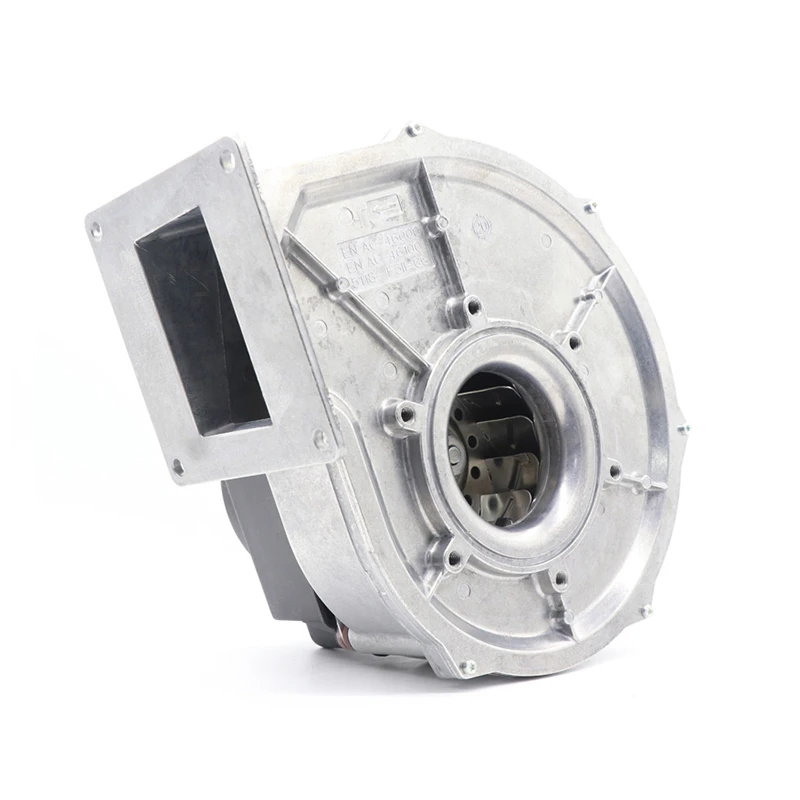
NRG118/0800-3612-030204 | ebm-papst 230V 60W EC Gas Blower for Boilers

Suited to Boilers, ebm-papst NRG118/0800-3612-030204 is a 230 V EC forward-curved centrifugal fan, defined by a documented 60 W input rating. The value helps verify equipment fit. Its documented data supports integration planning.

230 - - - 60 - -
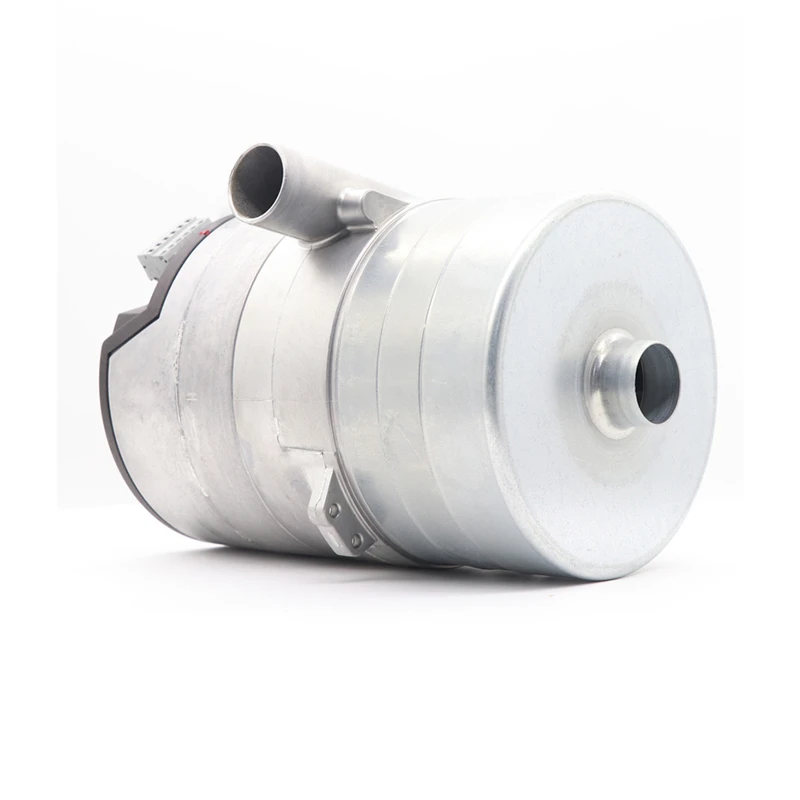
G3G125-AA20-01 | ebm-papst 230V 530W EC Centrifugal Blower for HVAC

In hvac, G3G125-AA20-01 serves as a 230 V EC centrifugal blower. Its selection profile is led by 0-10 V/PWM speed control with 13,000 rpm operation. It supports exact-model comparison for OEM sourcing and replacement work.

230 125 - - 530 13000 -
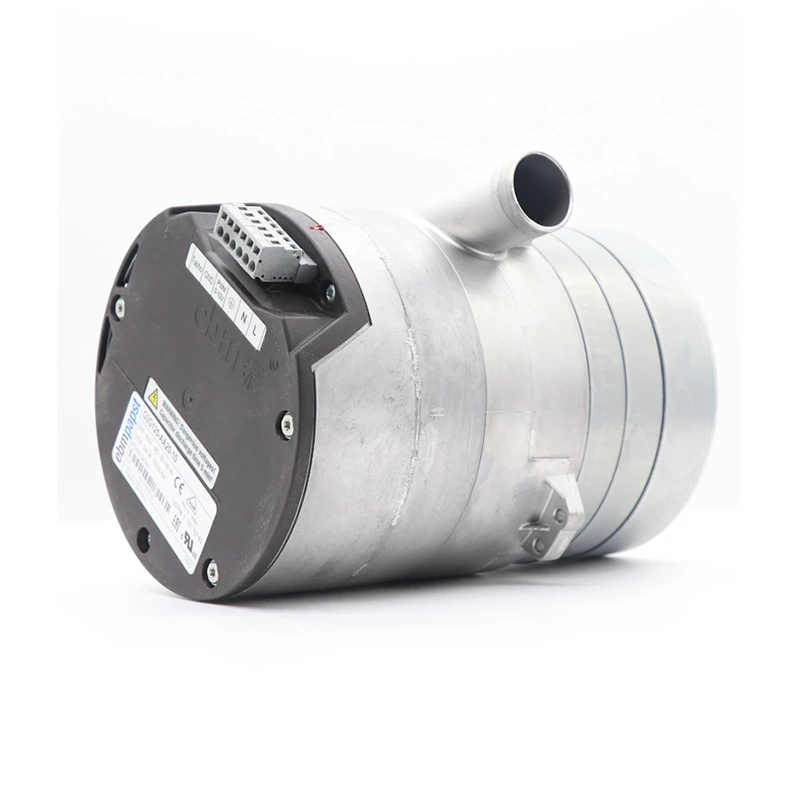
G3G125-AA20-10 | ebm-papst 230V 530W EC Centrifugal Blower for HVAC

G3G125-AA20-10 is specified as a 230 V EC centrifugal blower for hvac. The model's defining specification is a 125 mm frame with 13,000 rpm operation. It supports exact-model comparison for OEM sourcing and replacement work.

230 125 - - 530 13000 -
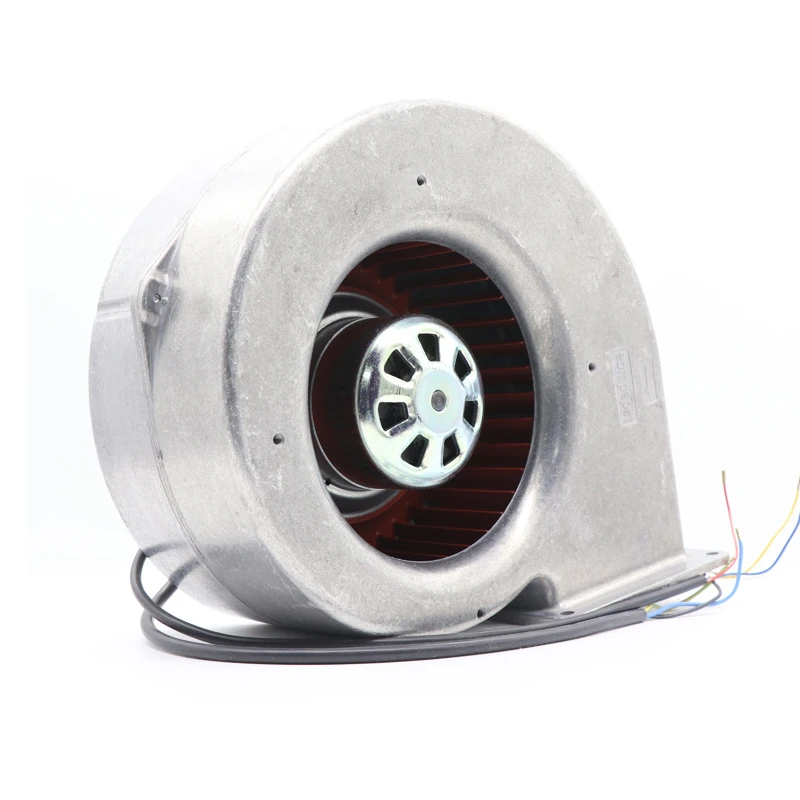
G3G160-AC50-01 | ebm-papst 230V 170W EC Centrifugal Blower for HVAC

Designed around hvac, G3G160-AC50-01 uses a 230 V EC centrifugal blower platform. A key model-specific detail is 0-10 V/PWM speed control with a tachometer output. It supports exact-model comparison for OEM sourcing.

230 160 630 475 170 2150 -
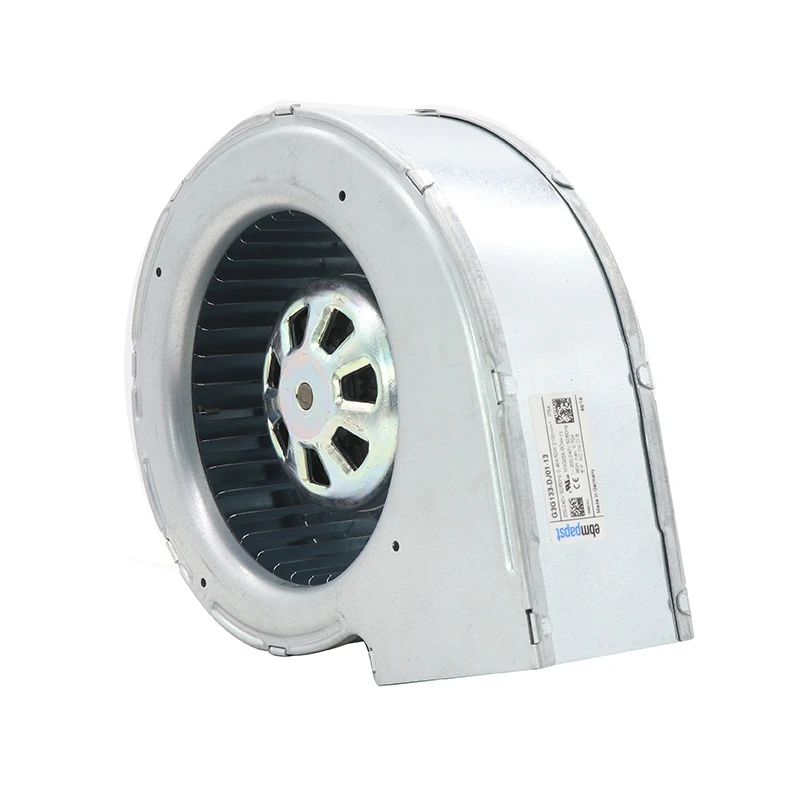
G3G133-DJ01-13 | ebm-papst 230V 50W EC Centrifugal Blower for HVAC

For hvac, G3G133-DJ01-13 provides a 230 V EC centrifugal blower configuration. Among the supplied ratings, IP54 protection with a 133 mm frame clearly differentiates this variant.

230 133 - - 50 2100 -
G3G315-M3G150FF | ebm-papst 380-480V 8000W EC Centrifugal Blower for Boiler Systems

Built for boiler systems, G3G315-M3G150FF is a 380-480 V EC centrifugal blower. Among the supplied ratings, 6,000 rpm operation with 6,500 Pa pressure clearly differentiates this variant.

3~ 380-480 315 4600 6500 8000 6000 -
G3G280-BR04-M7 | ebm-papst 400V 530W EC Centrifugal Blower for Servo Motor Cooling

A 400 V EC centrifugal blower for servo motor cooling, G3G280-BR04-M7 has a clearly defined selection profile. Its standout data point is 0-10 V/PWM speed control with a 530 W input rating.

400 280 - - 530 2700 -
G3G250-MW50-01 | ebm-papst 400V 2400W EC Centrifugal Blower for Boiler Systems

Targeting boiler systems, G3G250-MW50-01 pairs 400 V operation with a EC centrifugal blower layout. Its selection profile is led by a listed 92 dB noise value with 2,185 m³/h airflow.

400 250 2185 4600 2400 6100 92
G3G250-GN44-01 | ebm-papst 230V 924W EC Centrifugal Blower for Boiler Systems

In boiler systems, G3G250-GN44-01 serves as a 230 V EC centrifugal blower. The model's defining specification is a listed 78 dB noise value with 0-10 V/PWM speed control. It supports exact-model comparison for OEM sourcing.

230 250 1540 2583 924 4480 78
G3G250-GN17-01 | ebm-papst 230V 1117W EC Centrifugal Blower for Boiler Systems

G3G250-GN17-01 is specified as a 230 V EC centrifugal blower for boiler systems. A key model-specific detail is a listed 79 dB noise value with 0-10 V/PWM speed control. It supports exact-model comparison for OEM sourcing.

230 250 1655 2900 1117 5005 79
G3G225-AD29-71 | ebm-papst 230V 545W EC Centrifugal Blower for Pharmaceutical Equipment

Designed around pharmaceutical equipment, G3G225-AD29-71 uses a 230 V EC centrifugal blower platform. Among the supplied ratings, a listed 58 dB noise value with a 545 W input rating clearly differentiates this variant.

230 225 1655 600 545 1815 58
G3G200-GN18-01 | ebm-papst 230V 682W EC Centrifugal Blower for Boiler Systems

For boiler systems, G3G200-GN18-01 provides a 230 V EC centrifugal blower configuration. A listed 63 dB noise value with 5,700 rpm operation is its clearest differentiator in the supplied data.

230 200 1020 2219 682 5700 63
G3G180-AD43-71 | ebm-papst 230V 510W EC Centrifugal Blower for Medical Ventilation

G3G180-AD43-71 combines 230 V operation with a EC centrifugal blower format for medical ventilation. The supplied specifications highlight a listed 56 dB noise value with 0-10 V/PWM speed control.

230 180 1305 700 510 2450 56
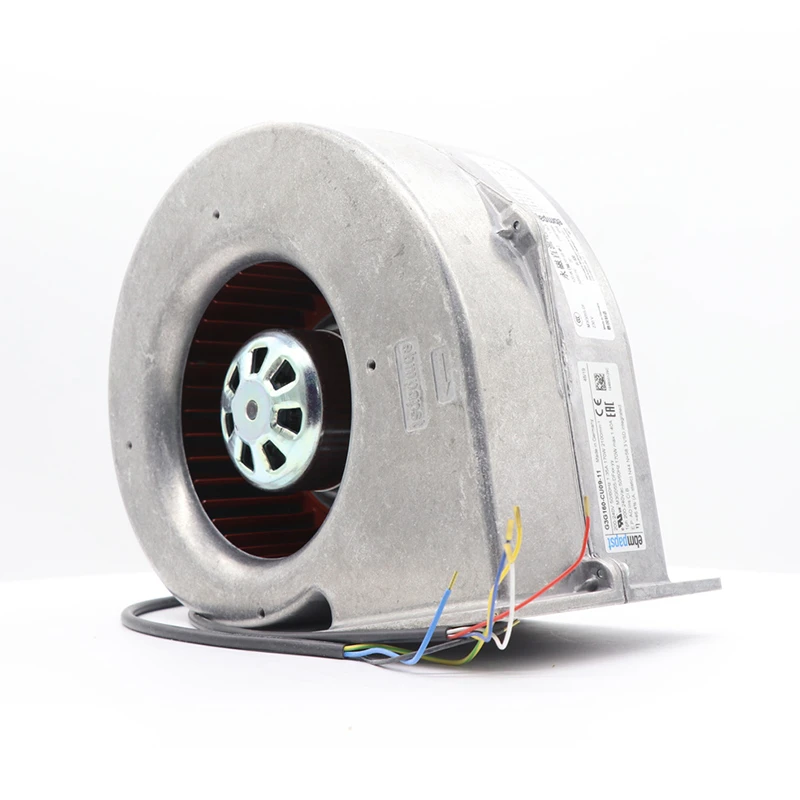
G3G160-CU09-11 | ebm-papst 230V 170W EC Centrifugal Blower for Dehumidifiers

Built for dehumidifiers, G3G160-CU09-11 is a 230 V EC centrifugal blower. For selection, its most distinctive listed attribute is 0-10 V/PWM speed control with 650 m³/h airflow.

230 160 650 620 170 2100 -
G1G170-AB53-80 | ebm-papst 230V 360W EC Centrifugal Blower for HVAC

Built for hvac, G1G170-AB53-80 is a 230 V EC centrifugal blower. 5,830 rpm operation with 0-10 V/PWM speed control is its clearest differentiator in the supplied data. It supports exact-model comparison for OEM sourcing.

230 170 645 2500 360 5830 -
G1G170-AB53-01 | ebm-papst 230V 360W EC Centrifugal Blower for Boiler Systems

A 230 V EC centrifugal blower for boiler systems, G1G170-AB53-01 has a clearly defined selection profile. Its selection profile is led by 2,500 Pa pressure with 5,830 rpm operation.

230 170 645 2500 360 5830 -
G1G170-AB31-53 | ebm-papst 230V 410W EC Centrifugal Blower for HVAC

Targeting hvac, G1G170-AB31-53 pairs 230 V operation with a EC centrifugal blower layout. The model's defining specification is PWM speed control with 6,530 rpm operation. It supports exact-model comparison for OEM sourcing.

230 170 380 3200 410 6530 -
G1G170-AB31-51 | ebm-papst 230V 410W EC Centrifugal Blower for Boiler Systems

In boiler systems, G1G170-AB31-51 serves as a 230 V EC centrifugal blower. A key model-specific detail is PWM speed control with 6,530 rpm operation. It supports exact-model comparison for OEM sourcing and replacement work.

230 170 380 3200 410 6530 -
G1G170-AB31-03 | ebm-papst 230V 315W EC Centrifugal Blower for Boiler Systems

G1G170-AB31-03 is specified as a 230 V EC centrifugal blower for boiler systems. Among the supplied ratings, PWM speed control with 3,000 Pa pressure clearly differentiates this variant.

230 170 645 3000 315 5650 -
G1G146-BA11-52 | ebm-papst 230V EC Centrifugal Blower for HVAC

Designed around hvac, G1G146-BA11-52 uses a 230 V EC centrifugal blower platform. A 146 mm frame is its clearest differentiator in the supplied data. It supports exact-model comparison for OEM sourcing and replacement work.

230 146 - - - - -
Showing
21-40
1-20 21-40 41-44
of 44
1 2 3
GO page

About EC Forward

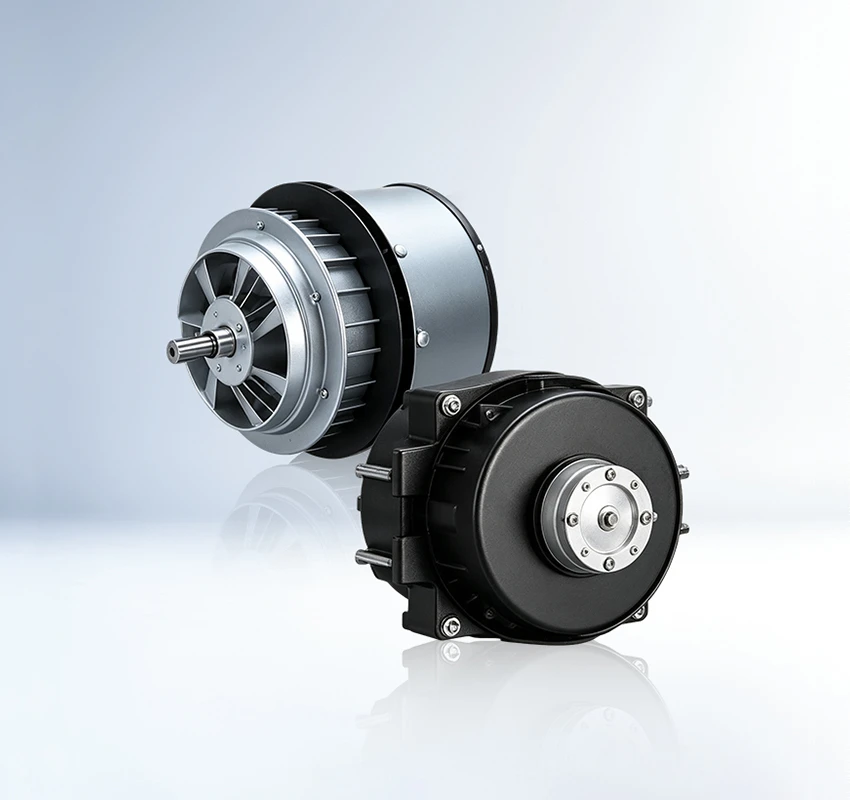
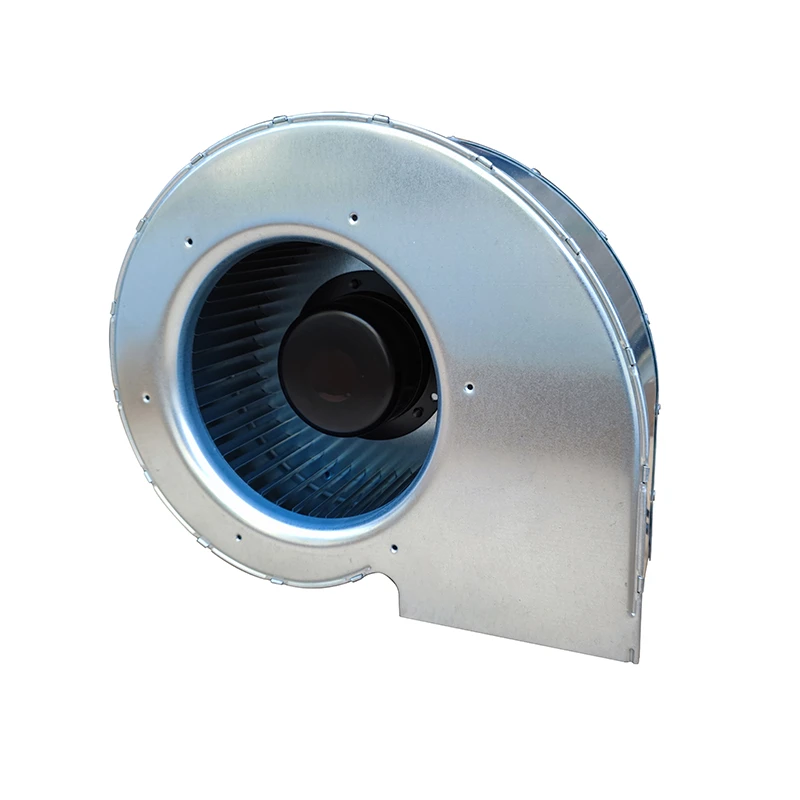
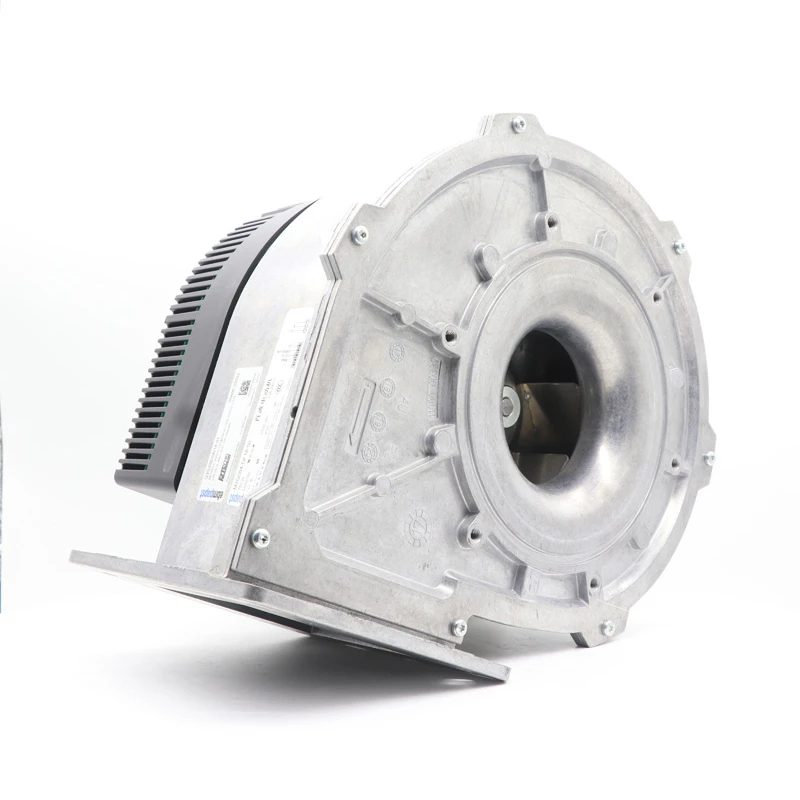
EC forward curved centrifugal fans combine the high airflow characteristics of forward curved impeller design with the energy efficiency and variable speed capability of Electronically Commutated motors. These fans deliver high airflow rates at moderate static pressures while achieving 50-70 percent energy savings compared to AC powered forward curved alternatives. The EC forward curved configuration is particularly well-suited for HVAC air handling units and high-flow ventilation systems where forward curved impellers provide the optimal performance envelope and the EC motor enables intelligent speed control to match airflow to actual load requirements. Key manufacturers include ebm-papst (EC forward curved blower range) and ZIEHL-ABEGG (ZAplus EC forward curved series). When selecting EC forward curved centrifugal fans, specify impeller diameter, airflow rate, maximum static pressure, motor power rating, and preferred control interface (PWM, 0-10V, or Modbus). Hengrui supplies EC forward curved centrifugal fans with full technical documentation, energy comparison tools, and factory-direct pricing.

How to Select the Right EC Forward

Choosing the right EC Forward starts with the operating point rather than the model name. Define the airflow you actually need in CFM or m³/h and the static pressure the fan must overcome, then look for units whose performance curves pass through that point with a safety margin instead of sitting at the edge of the curve.

Pay attention to the electrical details early. DC fans typically run on 12/24/48 V and integrate easily with control boards, while AC fans suit 115/230 V fixed-speed installations. If the airflow must change with load, choose EC technology with PWM or analog control and, where monitoring matters, a tachometer output so the controller can detect fan failure.

Environment and compliance come next. Match the IP rating to dust and moisture exposure, prefer ball bearings wherever the fan runs hot, vertically or around the clock, and confirm certifications — UL, CE, RoHS — against your destination market. Setting the acoustic limit in dBA early prevents late-stage redesign when the first unit proves too loud.

Finally, compare candidates on total delivery risk, not only on price: confirm stock for the quantity you need, check the lead time for the next batch, and ask for datasheets and dimension drawings before committing. Our team cross-checks curves, dimensions and electrical data for you before quotation There are currently 44 items in this category ready to compare.

Typical Applications and Use Cases for EC Forward

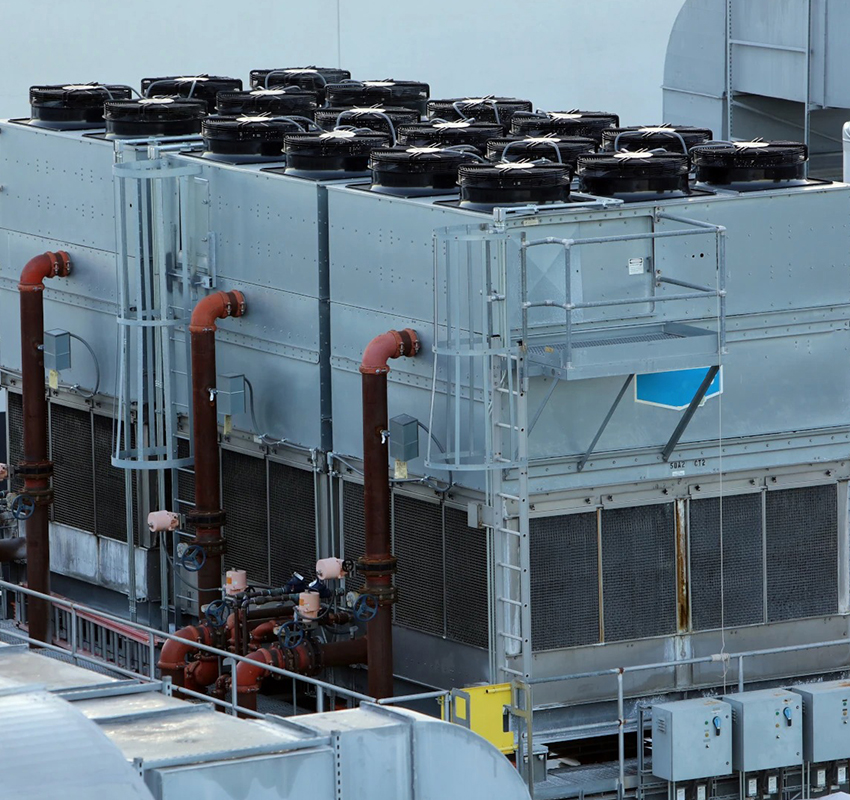
EC Forward appear in almost every sector where heat or stale air must be moved reliably. Typical environments include server rooms and data centers, refrigeration condensers and cold-store evaporators, HVAC air handling units, telecom cabinets, medical and laboratory equipment, welding and CNC machine enclosures, and renewable-energy power cabinets. In each of these settings the fan is a critical component: its failure stops production, damages stored goods or forces expensive emergency downtime.

One recurring scenario comes from control cabinet retrofits: the original fan is obsolete, the mounting hole pattern cannot change, and downtime is measured in hours. We match the old unit against current series by frame size, airflow and noise, propose the closest drop-in alternative, and ship with a datasheet that lets the electrician connect it without redesign.

For cold storage operators the pain is simple: a failed evaporator or condenser fan must be replaced now, not after a six-week import cycle. Matching blade diameter, speed and protection class against stocked equivalents lets us restore cooling capacity within days, which is why replacement supply has become a core part of this category for us.

Whether the project involves new equipment or the replacement of installed ebmpapst units, the workflow is the same: send us the operating point and constraints, and we return a validated selection with datasheets, curves and a clear lead time.

Frequently Asked Questions About Buying EC Forward

Do you support customized or OEM versions of EC Forward?

Yes. Beyond catalogue models we can discuss modified lead wires, connectors, speed curves, IP upgrades or private-label packaging for OEM projects. Customization usually starts from a defined annual quantity; our engineers will review your requirement and confirm feasibility, tooling cost and lead time before any commitment.

What warranty and after-sales support do you provide?

Every unit is covered by the manufacturer's warranty against defects in materials and workmanship, and we support you through the whole claim process so you deal with one supplier instead of chasing a factory overseas. If a failure appears in service, send us the serial number, operating conditions and photos, and we will arrange the replacement or credit path agreed in the quotation.

What technical documentation do you provide before purchase?

Datasheets, performance curves, dimension drawings and certification files (UL, CE, RoHS where applicable) are available on request before you buy — we believe a purchase order should follow a verified selection, not replace it. For project tenders we can also provide product comparison tables that put the candidate models side by side on the parameters you care about.

Bag

Bag packaging indicates that a specified quantity of product is packaged by the manufacturer in a bag, sealed pouch, or similar container and sold as a unit without repackaging. It is also used to describe kits/assortments where components are packaged in separate bags according to part number or parametric value, rather than in a compartmentalized box or similar rigid container.