Get Quote
Home > Products > By type > Blower Fans

Blower Fans

By brand

By industry

Rated Voltage(V)

Size(mm)

Max.Air Flow(m³/h)

Max.Pressure(Pa)

Input Power(W)

Speed(rpm)

Noise(db)

Stocking Options

Environmental Options

Media

Exclude

241 results

Applied Filters

Showing
221-240
1-20 21-40 41-60 61-80 81-100 101-120 121-140 141-160 161-180 181-200 201-220 221-240 241-241
of 241
Download Table
Mfr Part # Rated Voltage(V) Size(mm) Max.Air Flow(m³/h) Max.Pressure(Pa) Input Power(W) Speed(rpm) Noise(db)
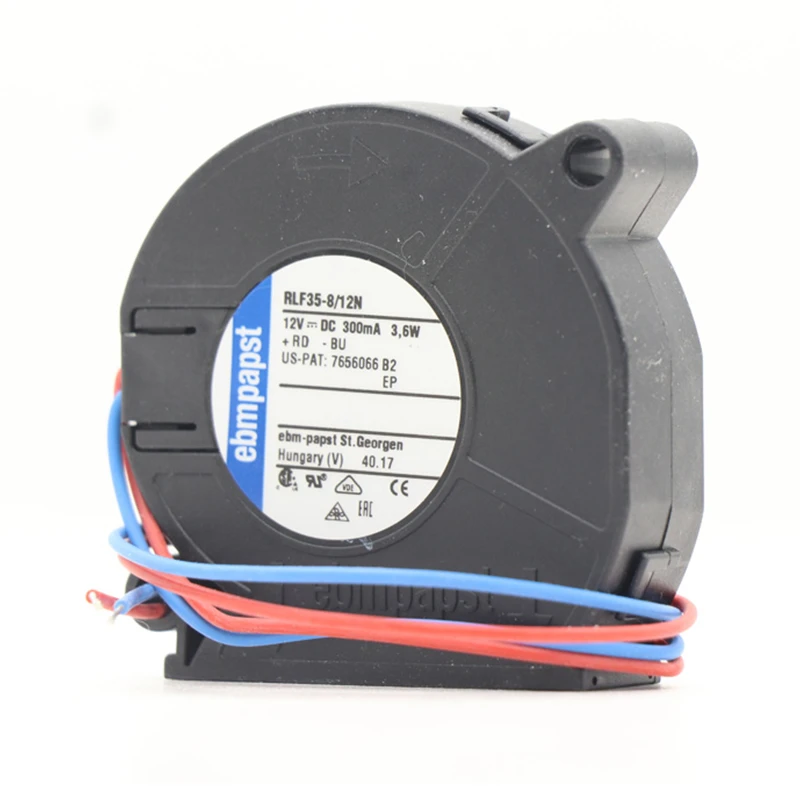
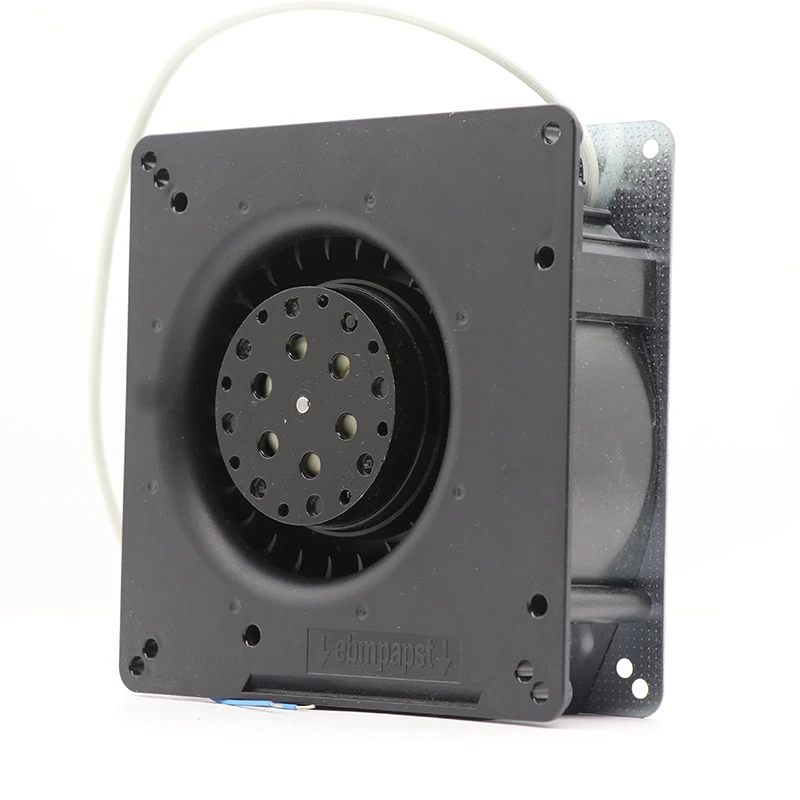
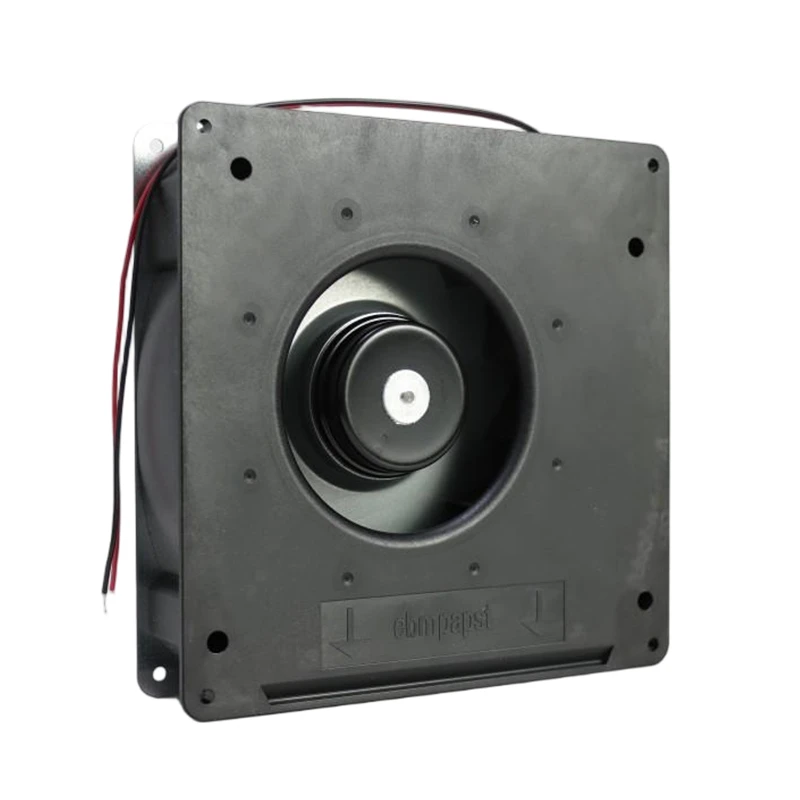
RLF35-8/12N | ebm-papst 12V 3.5W DC Centrifugal Blower for Rail Transit

Aimed at Rail Transit, the ebm-papst RLF35-8/12N is a 12 V DC forward-curved centrifugal fan, characterized by a documented 3.5 W input rating. The data helps compare K-series variants.

12 51*51*15 9.6 180 3.5 6700 -
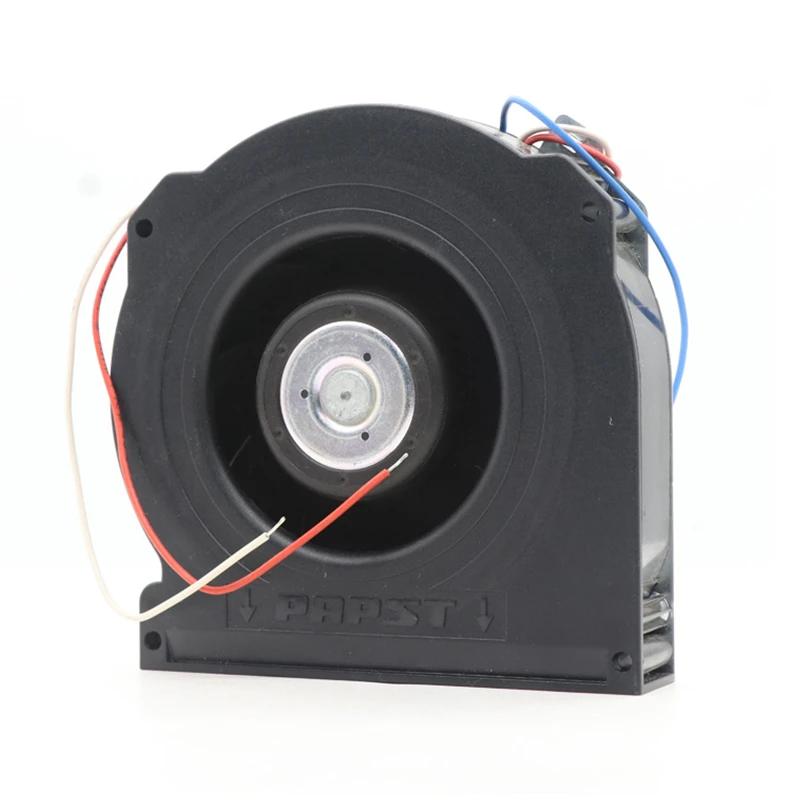
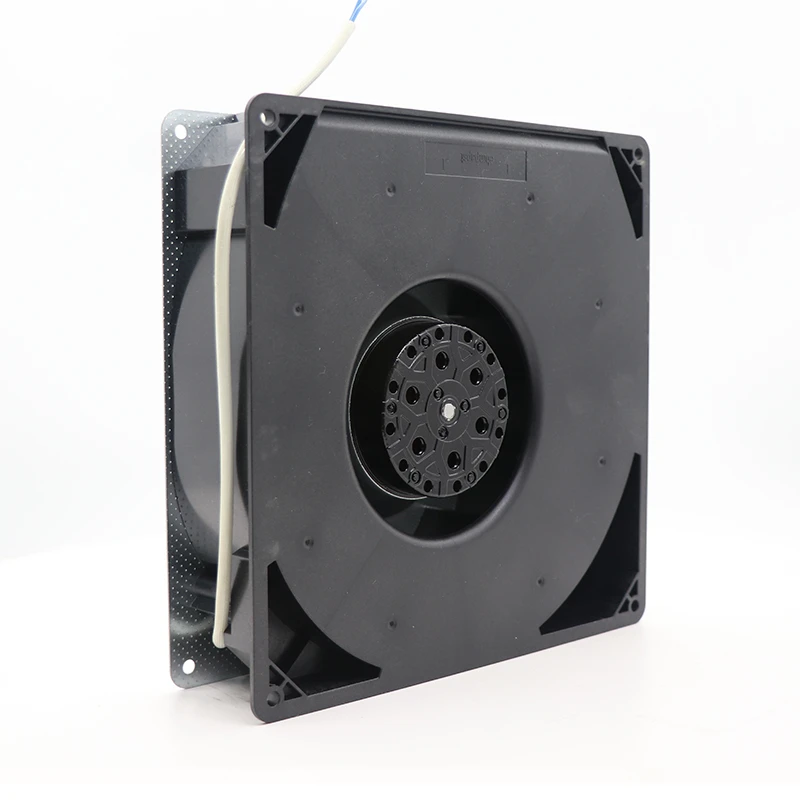
RLF100-11/14/19 | ebm-papst 48V 8.6W DC Centrifugal Blower for Rail Transit

Intended for Rail Transit, the ebm-papst RLF100-11/14/19 is a 48 V DC forward-curved centrifugal fan, distinguished by a documented speed of 5,100 rpm. The rating clarifies its operating profile.

48 - 64 - 8.6 5100 -
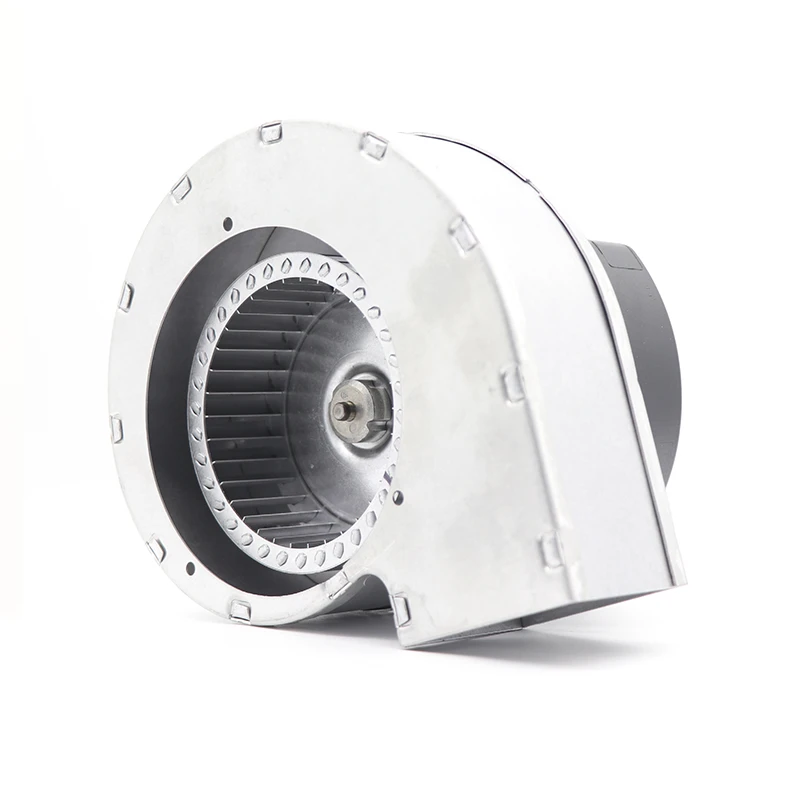
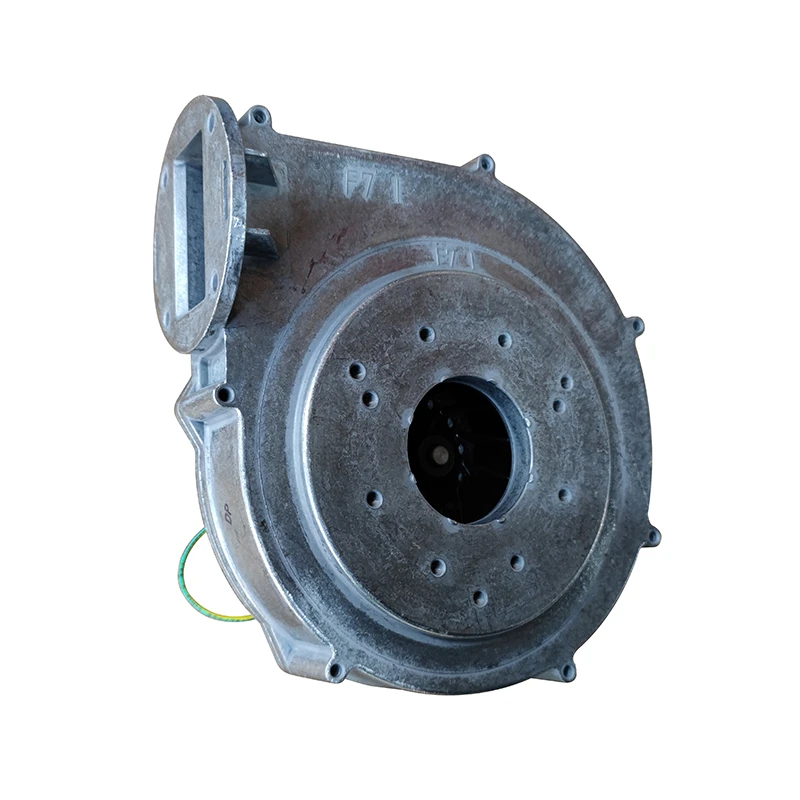
RLA97/0034-3612-020299 | ebm-papst Centrifugal Blower for Boilers

Applied in Boilers, the ebm-papst RLA97/0034-3612-020299 is a 0 V AC forward-curved centrifugal fan, centered on model-specific construction for its stated cooling duty. The value helps verify equipment fit.

0 - - - - - -
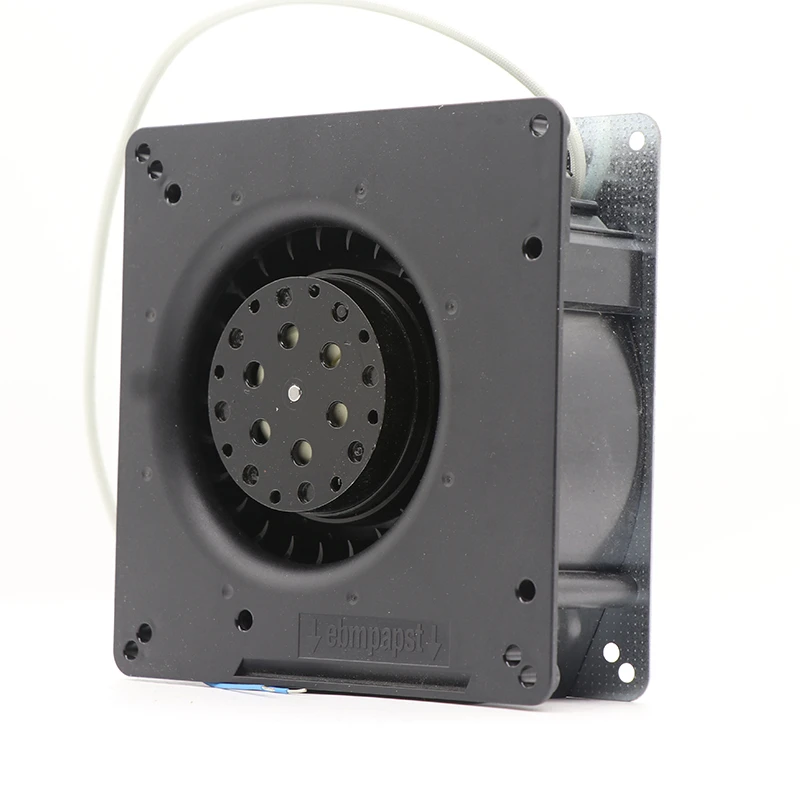
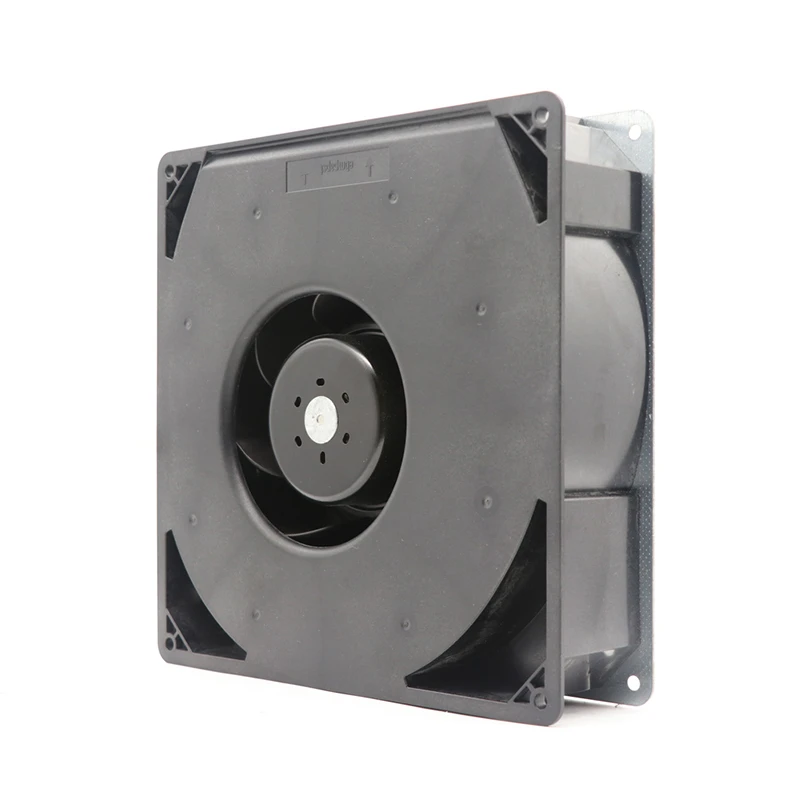
RG90-18/14 N | ebm-papst 24V 6.2W Centrifugal Blower for Boilers

Specified for Boilers, ebm-papst RG90-18/14 N is a 24 V DC forward-curved centrifugal fan, noted for a documented 6.2 W input rating. The data supports model-level evaluation. Its documented data supports integration planning.

24 - 55 100 6.2 2200 -
RG90-18/56 | ebm-papst 230V 22W Centrifugal Blower for Boilers

Designed for Boilers, ebm-papst RG90-18/56 is a 230 V AC forward-curved centrifugal fan, noted for a documented 22 W input rating. This supports duty-point selection. Its documented data supports integration planning.

230 135*135*38 54 - 22 2200 -
RG160-28/18N | ebm-papst 48V 20W Centrifugal Blower for Boilers

Developed for Boilers, ebm-papst RG160-28/18N is a 48 V DC forward-curved centrifugal fan, defined by a documented 20 W input rating. The value helps verify equipment fit. Its documented data supports integration planning.

48 - 209 400 20 2850 -
RG160-28/14N | ebm-papst 24V 64W Centrifugal Blower for Boilers

Applied in Boilers, ebm-papst RG160-28/14N is a 24 V DC forward-curved centrifugal fan, centered on a documented speed of 4,200 rpm. The data helps compare K-series variants. Its documented data supports integration planning.

24 - 308 780 64 4200 -
RG130/0800-3612-030206 | ebm-papst 24V 40W Centrifugal Blower for Boilers

Built for Boilers, ebm-papst RG130/0800-3612-030206 is a 24 V DC forward-curved centrifugal fan, defined by a documented speed of 7,200 rpm. The value helps verify equipment fit. Its documented data supports integration planning.

24 - 110 1900 40 7200 -
RG130/0800-3612-011111 | ebm-papst 24V 40W Centrifugal Blower for Boilers

Specified for Boilers, the ebm-papst RG130/0800-3612-011111 is a 24 V DC forward-curved centrifugal fan, distinguished by a listed pressure capability of 1,900 Pa. It provides a practical sizing reference.

24 - 110 1900 40 7200 -
RG128/1300-3612-030204 | ebm-papst 230V 92W Centrifugal Blower for Boilers

Suited to Boilers, the ebm-papst RG128/1300-3612-030204 is a 230 V AC forward-curved centrifugal fan, documented with a documented 92 W input rating. The data supports model-level evaluation.

230 - - - 92 - -
RG125-19/96 | ebm-papst 230V 20W Centrifugal Blower for Boilers

Intended for Boilers, the ebm-papst RG125-19/96 is a 230 V AC forward-curved centrifugal fan, with a focus on a documented 20 W input rating. It gives engineers a clear comparison point.

230 180*180*33.5 86 - 20 2 550 -
RG175/2000-3633-010204 | ebm-papst 230V 240W Centrifugal Blower for Boilers

Designed for Boilers, the ebm-papst RG175/2000-3633-010204 is a 230 V AC forward-curved centrifugal fan, defined by 175 mm dimensions for installation planning. The data helps compare K-series variants.

230 175 - - 240 - -
RG125-19/14N | ebm-papst 24V 5W Centrifugal Blower for Boilers

Intended for Boilers, ebm-papst RG125-19/14N is a 24 V DC forward-curved centrifugal fan, featuring a documented 5 W input rating. It supports replacement and design review. Its documented data supports integration planning.

24 - 88 180 5 2550 -
RG90-18/14N | ebm-papst 24V 6.2W Centrifugal Blower for Boilers

Specified for Boilers, ebm-papst RG90-18/14N is a 24 V DC forward-curved centrifugal fan, offering a documented 6.2 W input rating. This enables specification-led selection. Its documented data supports integration planning.

24 135*135*38 55 100 6.2 2200 -
RG160-28/56S | ebm-papst 230V 47W Centrifugal Blower for Boilers

Engineered around Boilers, ebm-papst RG160-28/56S is a 230 V AC forward-curved centrifugal fan, noted for a documented 47 W input rating. The data supports model-level evaluation. Its documented data supports integration planning.

230 - 188 335 47 2750 -
RG160-28/18NU | ebm-papst 48V 19W Centrifugal Blower for Boilers

Aimed at Boilers, ebm-papst RG160-28/18NU is a 48 V DC forward-curved centrifugal fan, identified by a documented 19 W input rating. This enables specification-led selection. Its documented data supports integration planning.

48 160 - - 19 2850 -
RG148/1200-3633-010212 | ebm-papst 230-240V 300W Centrifugal Blower for Boilers

Selected for Boilers, the ebm-papst RG148/1200-3633-010212 is a 230-240V AC forward-curved centrifugal fan, whose supplied data highlights a documented 300 W input rating. The rating aids system-fit checks.

230/240 - - - 300 - -
RG128/1300-3612-030206 | ebm-papst 230V 92W Centrifugal Blower for Boilers

Selected for Boilers, the ebm-papst RG128/1300-3612-030206 is a 230 V AC forward-curved centrifugal fan, with a focus on a documented 92 W input rating. It gives engineers a clear comparison point.

230 - - - 92 - -
RG125-19/56 | ebm-papst 230V 20W Centrifugal Blower for Boilers

Built for Boilers, ebm-papst RG125-19/56 is a 230 V AC forward-curved centrifugal fan, with a focus on a documented 20 W input rating. It gives engineers a clear comparison point. Its documented data supports integration planning.

230 - 80 - 20 2550 -
NRV118/3000-3612-030210 | ebm-papst 230V EC Gas Blower for Boilers

Specified for Boilers, the ebm-papst NRV118/3000-3612-030210 is a 230 V EC forward-curved centrifugal fan, noted for model-specific construction for its stated cooling duty. This supports duty-point selection.

230 - - - - - -
Showing
221-240
1-20 21-40 41-60 61-80 81-100 101-120 121-140 141-160 161-180 181-200 201-220 221-240 241-241
of 241
1 2 3 4 5 6 7 8 9 10 11 12 13
GO page

About Blower Fans

Blower fans is a general term referring to centrifugal fans and blowers designed for high-pressure applications where airflow must overcome significant duct resistance, filter pressure drop, or system static pressure. Unlike axial fans which excel at high airflow-low pressure scenarios, blower fans use curved impellers to accelerate air radially, creating the elevated static pressures needed for ducted systems. Industrial blower fans serve critical roles in dust collection systems (pulling particle-laden air through filter banks), fume extraction systems, combustion air supply for industrial boilers and furnaces, pneumatic conveying, and high-pressure HVAC systems with extensive ductwork. Blower fans are available in forward curved (high airflow, moderate pressure), backward curved (high pressure, high efficiency), and radial blade configurations. Key specification parameters include static pressure capability (Pa or mm WG), airflow rate (m3/h), motor power (kW), and construction material (steel, stainless steel, FRP for corrosive environments). Leading blower fan manufacturers include ebm-papst, ZIEHL-ABEGG, Nicotra Gebhardt, and SODECA. Hengrui is authorized distributor with full engineering support and competitive pricing.

How to Select the Right Blower Fans

The most reliable way to specify blower Fans is to work from the system, not from the catalog. Measure or calculate the airflow and pressure demand first, add the dimensional limits of the mounting position, and only then shortlist series whose curves cover your operating point with margin.

Electrical matching is the next gate. Confirm the supply voltage — 12 V, 24 V or 48 V DC for compact electronics cooling, 115 V or 230 V AC for equipment and panel cooling — and decide whether you need speed control. EC models accept PWM or 0-10 V signals and report speed through a tachometer output, which makes them the default choice for variable-airflow systems, while AC units remain a cost-effective answer for fixed-speed duty.

Then filter by environment. High ambient temperature, dust or moisture loads dictate the IP rating and bearing choice — ball bearings keep airflow and noise stable over years, while sleeve bearings suit light-duty horizontal mounting. Regulatory needs such as UL, CE and RoHS recognition should be confirmed before the shortlist goes to purchasing, together with a maximum allowed sound pressure level in dBA.

End the process by checking supply, not just specification: confirm current stock, the lead time for follow-up quantities, and obtain datasheets and dimension drawings so the mechanical interface is verified before the PO. Send us your airflow and pressure requirements and our engineers will confirm the best-matched series — 241 products are available in this category today.

Typical Applications and Use Cases for Blower Fans

The daily work of our sales engineers is built around blower Fans used in data center cooling, refrigeration and cold chain projects, building ventilation, telecom base stations, medical devices and industrial control cabinets — environments where a stopped fan is a stopped business process. That daily exposure to real installations is exactly what we bring back into every selection: not just reading curves, but knowing which models survive dust, heat, continuous duty and restricted service access.

A typical case: an equipment builder needed to replace an aging AC fan inside a control cabinet that could not be taken offline for more than an hour. By cross-referencing the frame dimensions, voltage and airflow curve, we supplied a current-series drop-in replacement with a matching tachometer signal, and the swap was completed during a scheduled maintenance window.

Refrigeration and cold chain customers bring us another pattern: the failed condenser fan is unavailable for weeks. Comparing diameter, speed, bearings and IP rating, we supply a functionally equivalent unit from stock so the system returns to duty the same week — the reason many service companies keep our contact number on file.

From one-piece emergency replacements to volume supply for equipment manufacturers, every enquiry is handled by the same rule: verify the parameters first, then quote — so what arrives on site is the fan the project actually needs.

Frequently Asked Questions About Buying Blower Fans

What technical documentation do you provide before purchase?

Datasheets, performance curves, dimension drawings and certification files (UL, CE, RoHS where applicable) are available on request before you buy — we believe a purchase order should follow a verified selection, not replace it. For project tenders we can also provide product comparison tables that put the candidate models side by side on the parameters you care about.

Do you have blower Fans in stock and how fast can you deliver?

Common series and mainstream voltage versions are normally in stock and can ship within a few working days; specialized or customized variants are produced to order and typically require additional production time. Send us the exact model or the required parameters and we will confirm stock, unit price and the earliest shipment date in one reply Currently 241 products in this category are listed online.

Can you replace my existing blower Fans from another supplier or a discontinued model?

Yes. Replacement supply is one of our core services: we cross-reference the mounting dimensions, voltage, speed and performance curve of your installed unit and propose the closest current-series equivalent. Where the frame or connector differs slightly, we state the difference clearly before you order, so the replacement installs without surprises.

Bag

Bag packaging indicates that a specified quantity of product is packaged by the manufacturer in a bag, sealed pouch, or similar container and sold as a unit without repackaging. It is also used to describe kits/assortments where components are packaged in separate bags according to part number or parametric value, rather than in a compartmentalized box or similar rigid container.