Get Quote
Home > Products > By industry > Telecommunications

Telecommunications

By brand

By type

Rated Voltage(V)

Size(mm)

Max.Air Flow(m³/h)

Max.Pressure(Pa)

Input Power(W)

Speed(rpm)

Noise(db)

Stocking Options

Environmental Options

Media

Exclude

301 results

Applied Filters

Showing
301-301
1-20 21-40 41-60 61-80 81-100 101-120 121-140 141-160 161-180 181-200 201-220 221-240 241-260 261-280 281-300 301-301
of 301
Download Table
Mfr Part # Rated Voltage(V) Size(mm) Max.Air Flow(m³/h) Max.Pressure(Pa) Input Power(W) Speed(rpm) Noise(db)
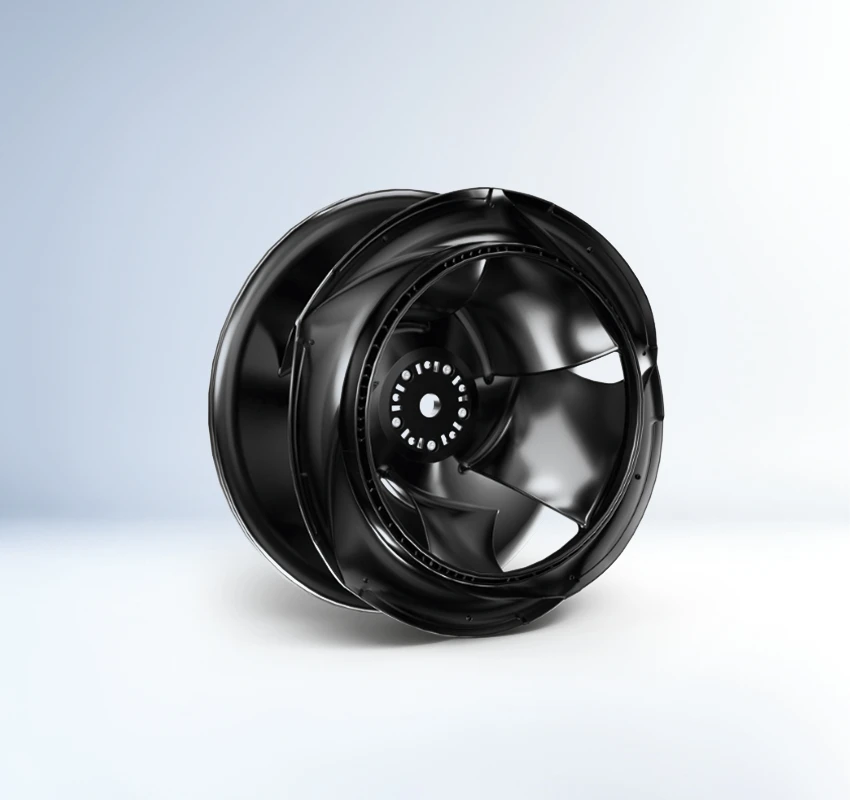
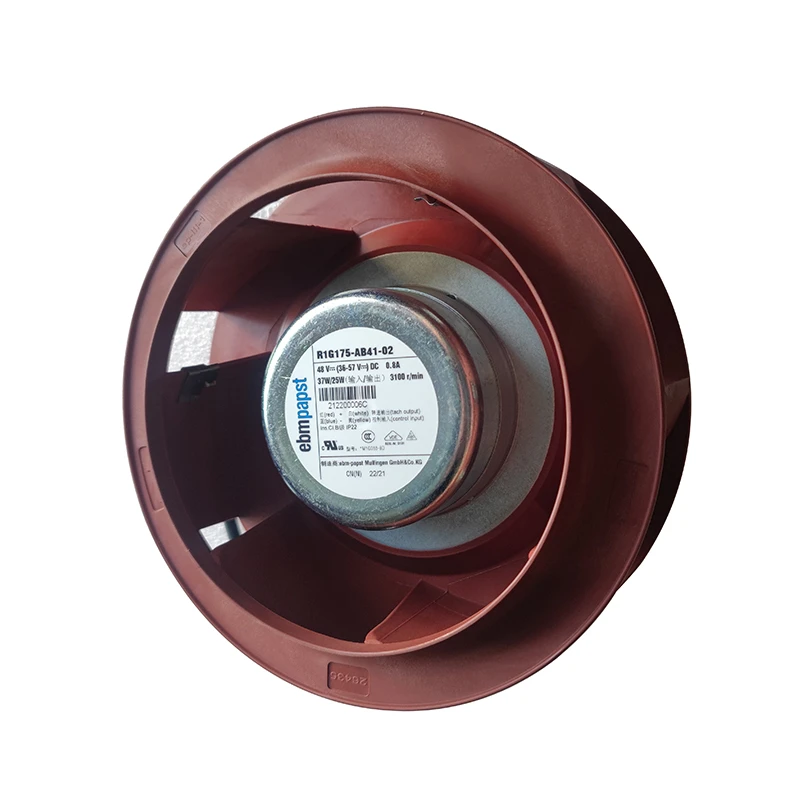
R1G175-AB41-02 | ebm-papst 48V 40W Centrifugal Fan for Telecom

Built for Telecom, the ebm-papst R1G175-AB41-02 is a 48 V EC forward-curved centrifugal fan, whose supplied data highlights a documented 40 W input rating. The rating clarifies its operating profile.

48 175 625 321 40 3100 -
Showing
301-301
1-20 21-40 41-60 61-80 81-100 101-120 121-140 141-160 161-180 181-200 201-220 221-240 241-260 261-280 281-300 301-301
of 301
1 2 ... 7 8 9 10 11 12 13 14 15 16
GO page

About Telecommunications

How to Select the Right Telecommunications

Choosing the right telecommunications starts with the operating point rather than the model name. Define the airflow you actually need in CFM or m³/h and the static pressure the fan must overcome, then look for units whose performance curves pass through that point with a safety margin instead of sitting at the edge of the curve.

Pay attention to the electrical details early. DC fans typically run on 12/24/48 V and integrate easily with control boards, while AC fans suit 115/230 V fixed-speed installations. If the airflow must change with load, choose EC technology with PWM or analog control and, where monitoring matters, a tachometer output so the controller can detect fan failure.

Environment and compliance come next. Match the IP rating to dust and moisture exposure, prefer ball bearings wherever the fan runs hot, vertically or around the clock, and confirm certifications — UL, CE, RoHS — against your destination market. Setting the acoustic limit in dBA early prevents late-stage redesign when the first unit proves too loud.

Finally, compare candidates on total delivery risk, not only on price: confirm stock for the quantity you need, check the lead time for the next batch, and ask for datasheets and dimension drawings before committing. Our team cross-checks curves, dimensions and electrical data for you before quotation There are currently 301 items in this category ready to compare.

Typical Applications and Use Cases for Telecommunications

Telecommunications appear in almost every sector where heat or stale air must be moved reliably. Typical environments include server rooms and data centers, refrigeration condensers and cold-store evaporators, HVAC air handling units, telecom cabinets, medical and laboratory equipment, welding and CNC machine enclosures, and renewable-energy power cabinets. In each of these settings the fan is a critical component: its failure stops production, damages stored goods or forces expensive emergency downtime.

One recurring scenario comes from control cabinet retrofits: the original fan is obsolete, the mounting hole pattern cannot change, and downtime is measured in hours. We match the old unit against current series by frame size, airflow and noise, propose the closest drop-in alternative, and ship with a datasheet that lets the electrician connect it without redesign.

For cold storage operators the pain is simple: a failed evaporator or condenser fan must be replaced now, not after a six-week import cycle. Matching blade diameter, speed and protection class against stocked equivalents lets us restore cooling capacity within days, which is why replacement supply has become a core part of this category for us.

Whether you are building new equipment or maintaining an installed base, the workflow is the same: send us the operating point and constraints, and we return a validated selection with datasheets, curves and a clear lead time.

Frequently Asked Questions About Buying Telecommunications

Do you have telecommunications in stock and how fast can you deliver?

Common series and mainstream voltage versions are normally in stock and can ship within a few working days; specialized or customized variants are produced to order and typically require additional production time. Send us the exact model or the required parameters and we will confirm stock, unit price and the earliest shipment date in one reply Currently 301 products in this category are listed online.

Can you replace my existing telecommunications from another supplier or a discontinued model?

Yes. Replacement supply is one of our core services: we cross-reference the mounting dimensions, voltage, speed and performance curve of your installed unit and propose the closest current-series equivalent. Where the frame or connector differs slightly, we state the difference clearly before you order, so the replacement installs without surprises.

Can I order a single piece or request a sample before a bulk purchase?

Single-piece orders and samples are welcome — many customers validate one unit in their system before committing to volume. There is no minimum order quantity for standard stock models, and the sample price is deducted from the bulk order in most repeat purchases. Tell us the quantity you plan to use and we will quote both scenarios.

Bag

Bag packaging indicates that a specified quantity of product is packaged by the manufacturer in a bag, sealed pouch, or similar container and sold as a unit without repackaging. It is also used to describe kits/assortments where components are packaged in separate bags according to part number or parametric value, rather than in a compartmentalized box or similar rigid container.