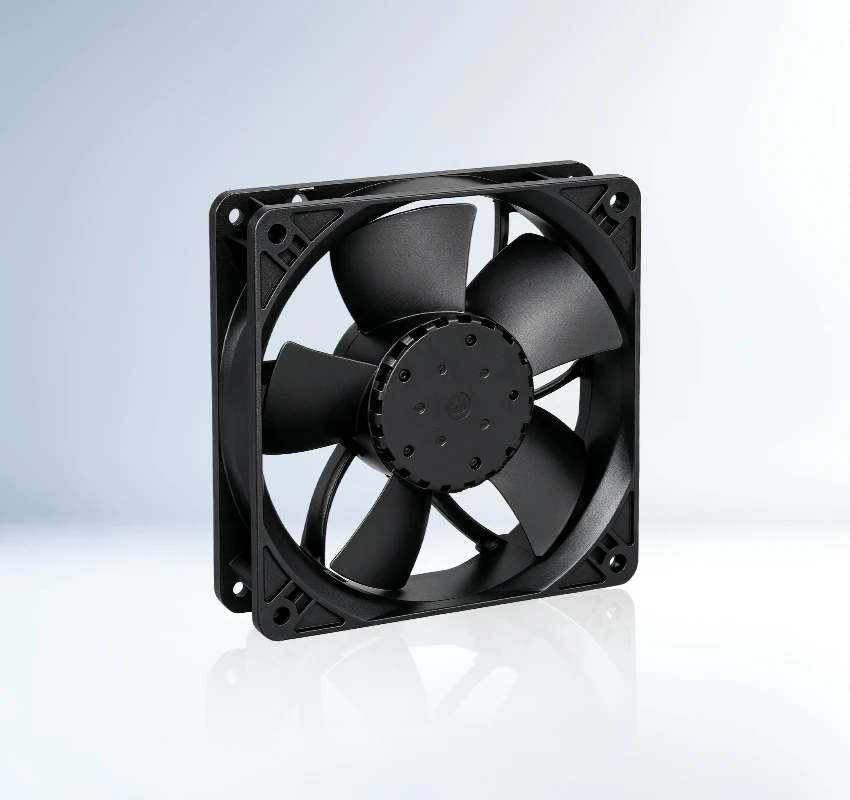
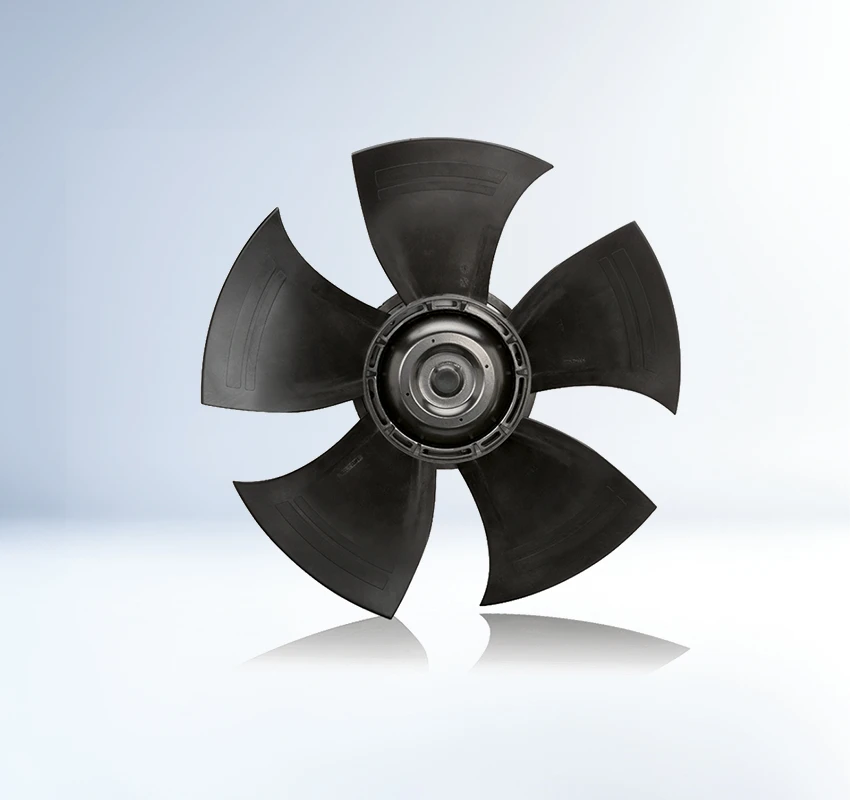
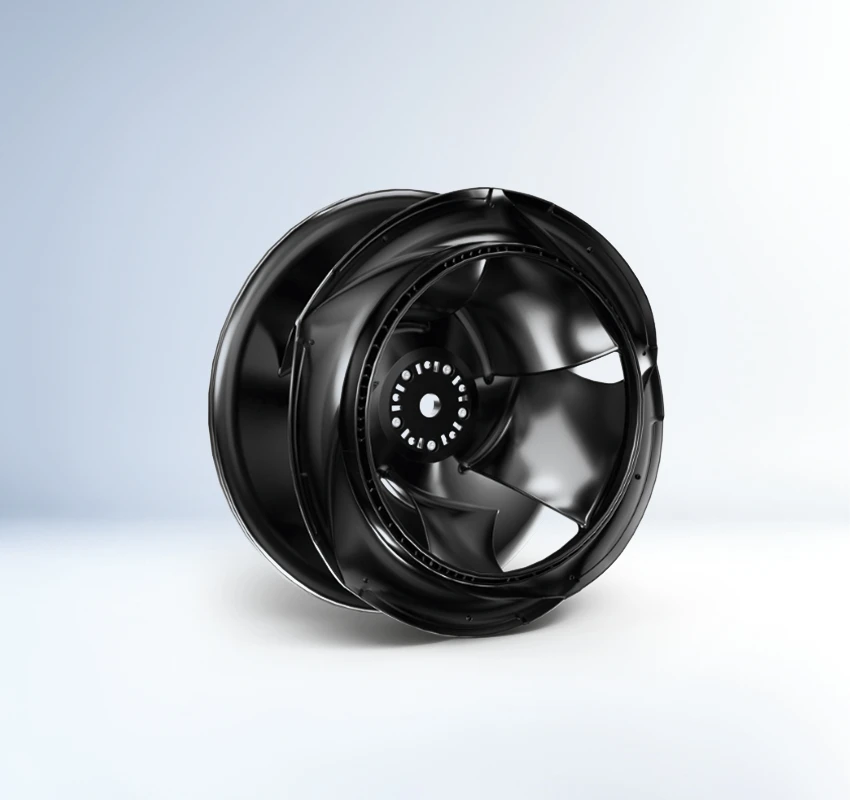
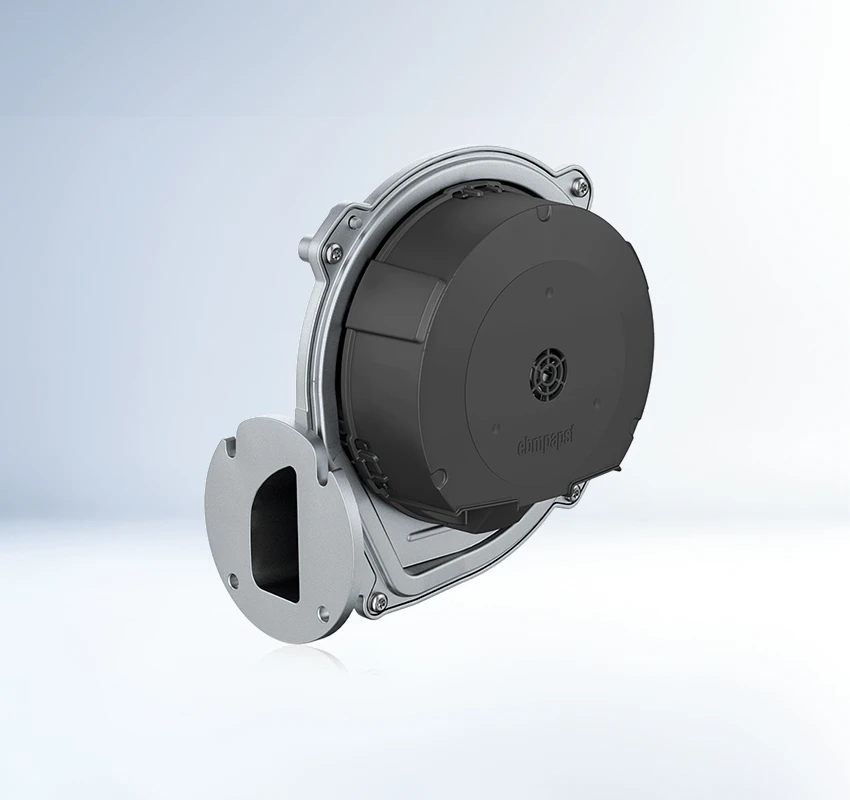
| Mfr Part # | Rated Voltage(V) | Size(mm) | Max.Air Flow(m³/h) | Max.Pressure(Pa) | Input Power(W) | Speed(rpm) | Noise(db) | |
|---|---|---|---|---|---|---|---|---|
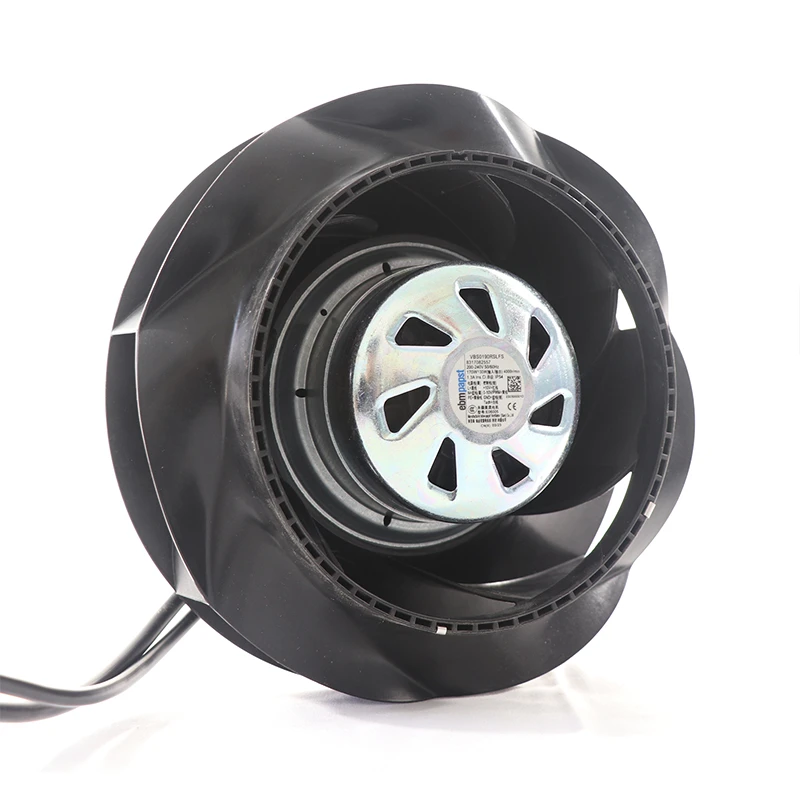
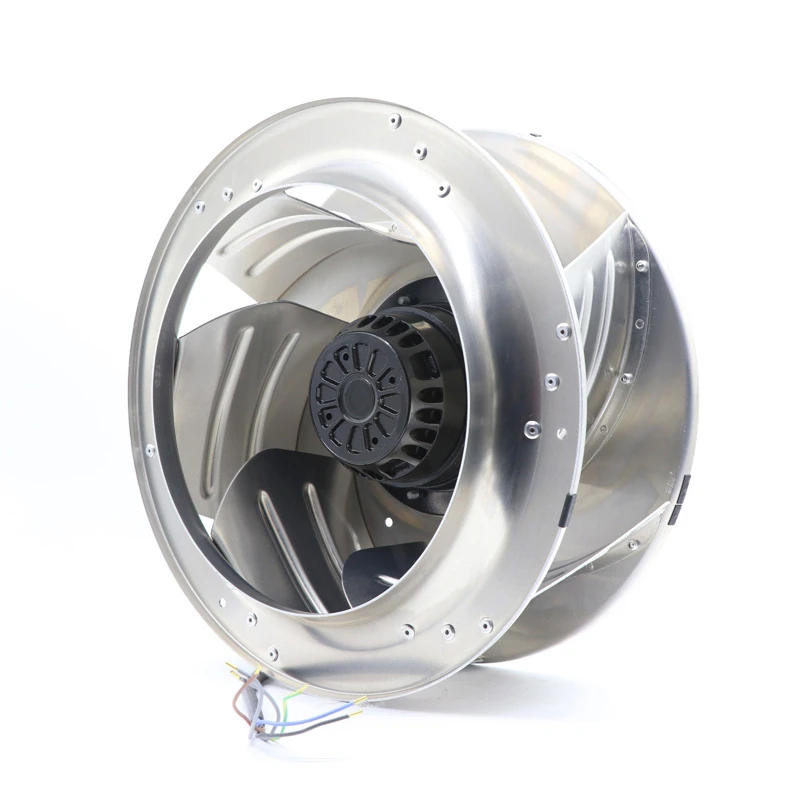
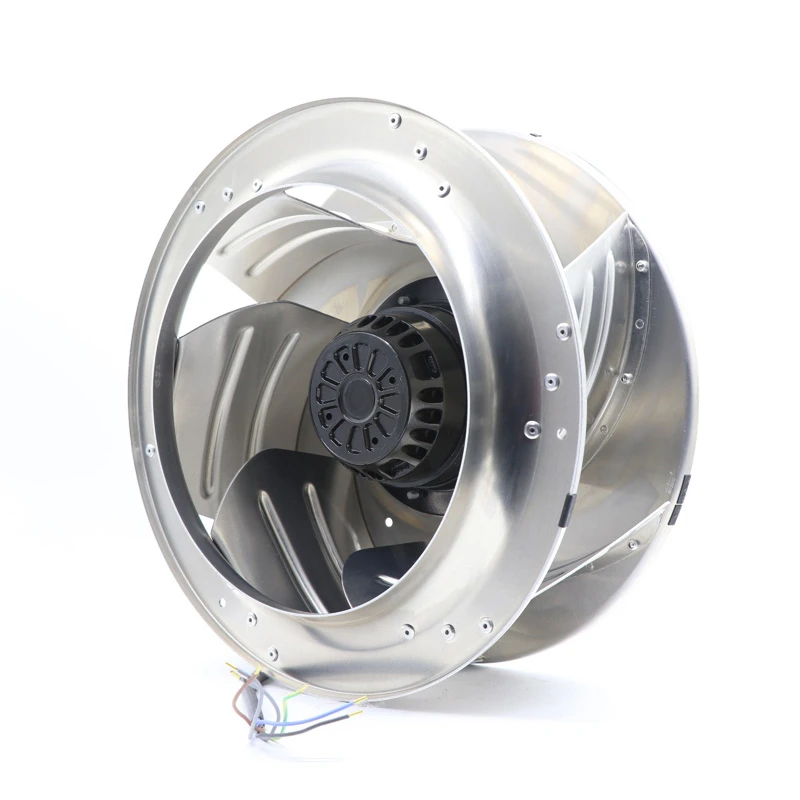
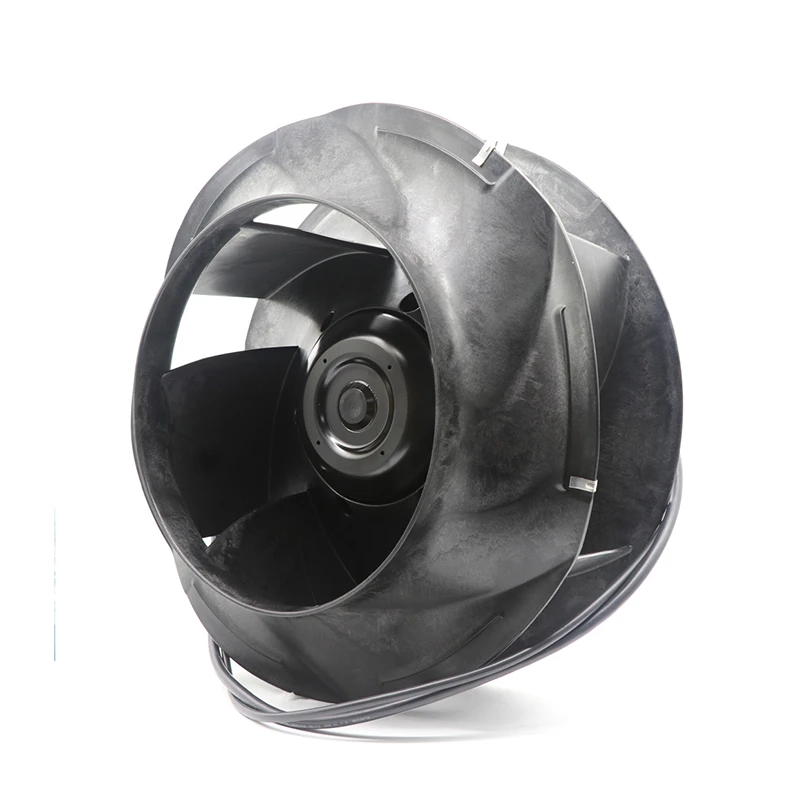
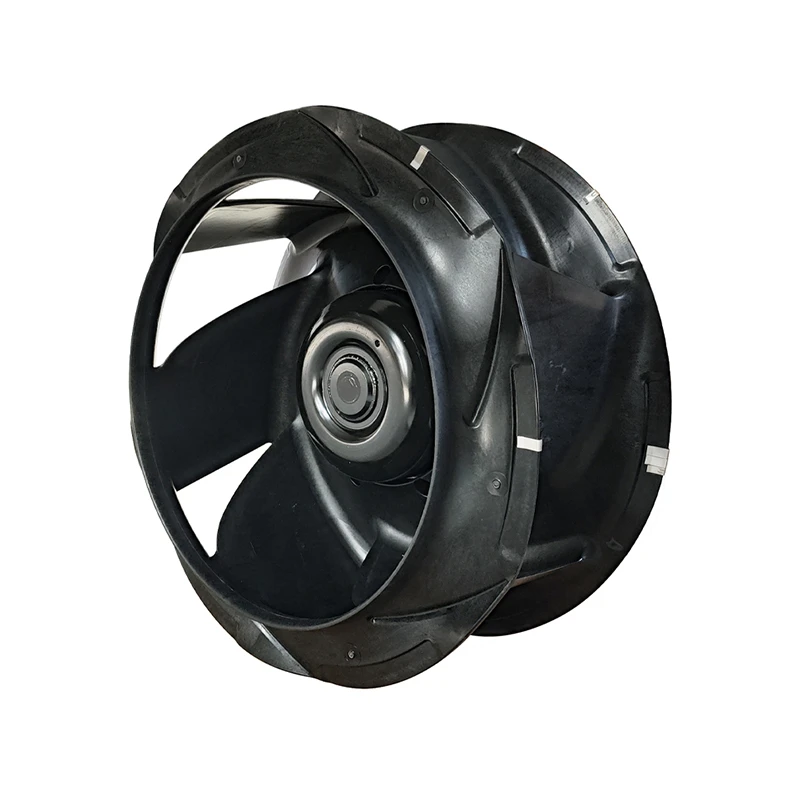
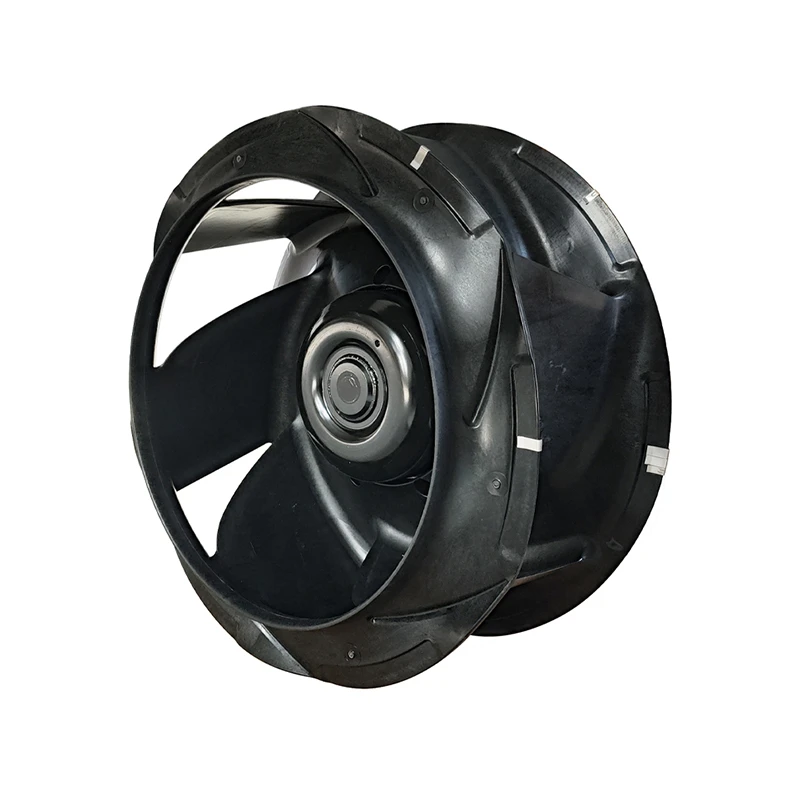
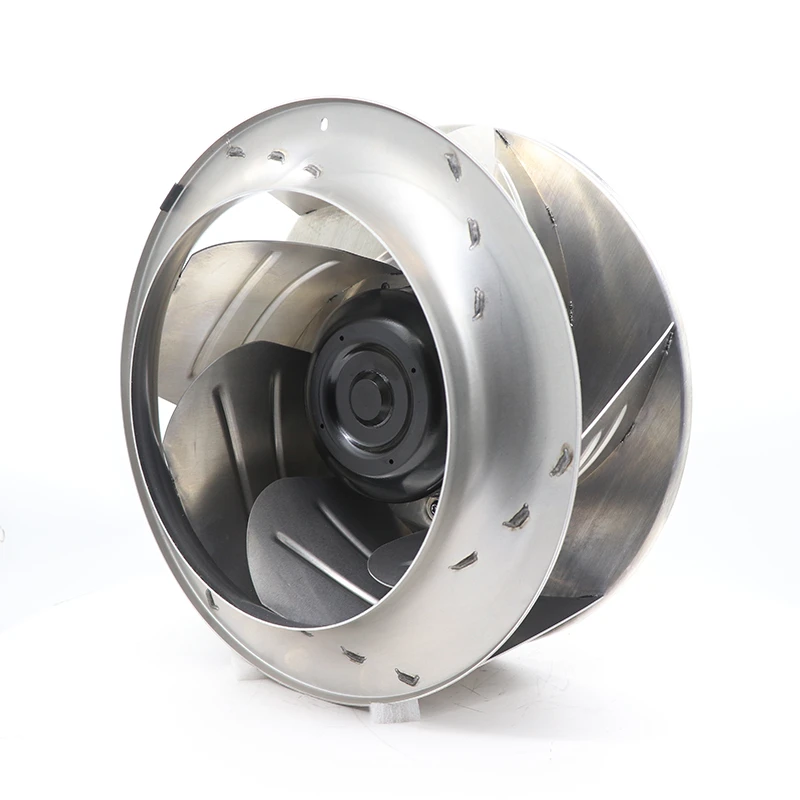
![]() 8317082557 VBS0190RSLFS | ebm-papst 1~ 200-240V 170W EC Fan for EV Chargers Suited to EV Chargers, the ebm-papst 8317082557 VBS0190RSLFS is a 200-240V EC backward-curved centrifugal fan, characterized by a documented speed of 4,000 rpm. The value aids operating-point comparison. |
1~ 200 - 240 | 190 | 853 | 799 | 170 | 4000 | 66 | |
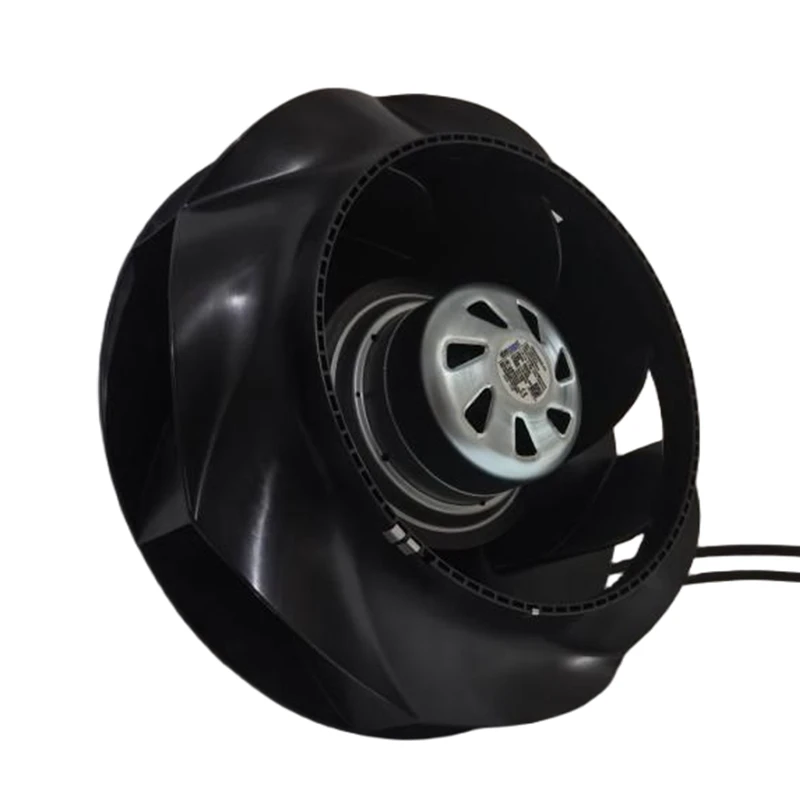
8317082274 VBS0190RSLDS | ebm-papst 1~ 200-240V 119W EC Fan for EV Chargers Intended for EV Chargers, the ebm-papst 8317082274 VBS0190RSLDS is a 200-240V EC backward-curved centrifugal fan, marked by a documented speed of 3,650 rpm. This helps evaluate the intended duty. |
1~ 200 - 240 | 190 | 843 | 597 | 119 | 3650 | 61 | |
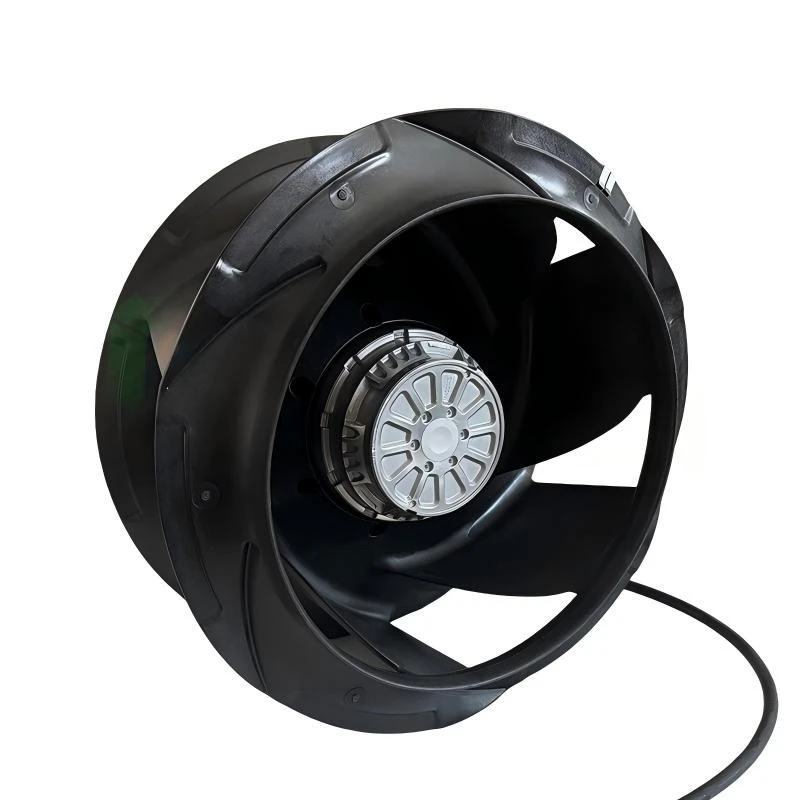
![]() 8317082273 VBS0250RSLFS | ebm-papst 1~ 200-240V 170W EC Fan for EV Chargers Applied in EV Chargers, the ebm-papst 8317082273 VBS0250RSLFS is a 200-240V EC backward-curved centrifugal fan, using a listed acoustic value of 60 dB. The value helps verify equipment fit. |
1~ 200 - 240 | 250 | 1481 | 584 | 170 | 2488 | 60 | |
S4D560-8322000003 | ebm-papst 400V AC Axial Fan for Energy Storage Cooling Applied in Energy Storage Cooling, the ebm-papst S4D560-8322000003 is a 400 V AC axial fan, defined by 560 mm dimensions for installation planning. This helps guide installation planning. |
400 | 560 | - | - | - | - | - | |
S4D500-8322000002 | ebm-papst 400V AC Axial Fan for Energy Storage Cooling Selected for Energy Storage Cooling, the ebm-papst S4D500-8322000002 is a 400 V AC axial fan, documented with 500 mm dimensions for installation planning. This supports duty-point selection. |
400 | 500 | - | - | - | - | - | |
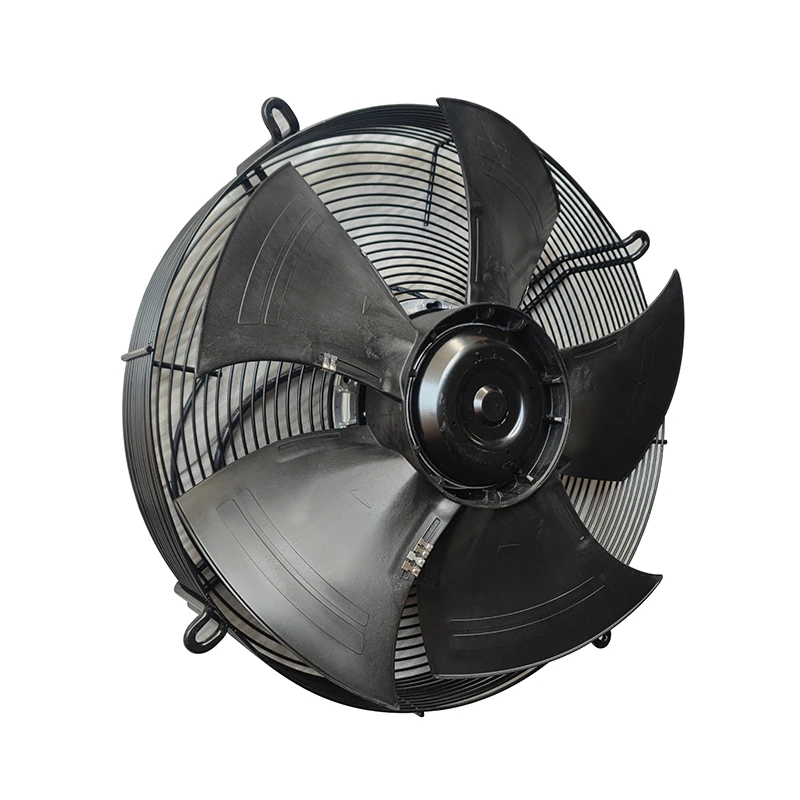
![]() S3G500-8317086785 | ebm-papst 3~380-480V EC Axial Fan for Energy Storage Cooling Used in Energy Storage Cooling, the ebm-papst S3G500-8317086785 is a 380-480V EC axial fan, documented with 500 mm dimensions for installation planning. It supports replacement and design review. |
3`380-480 | 500 | - | - | - | - | - | |
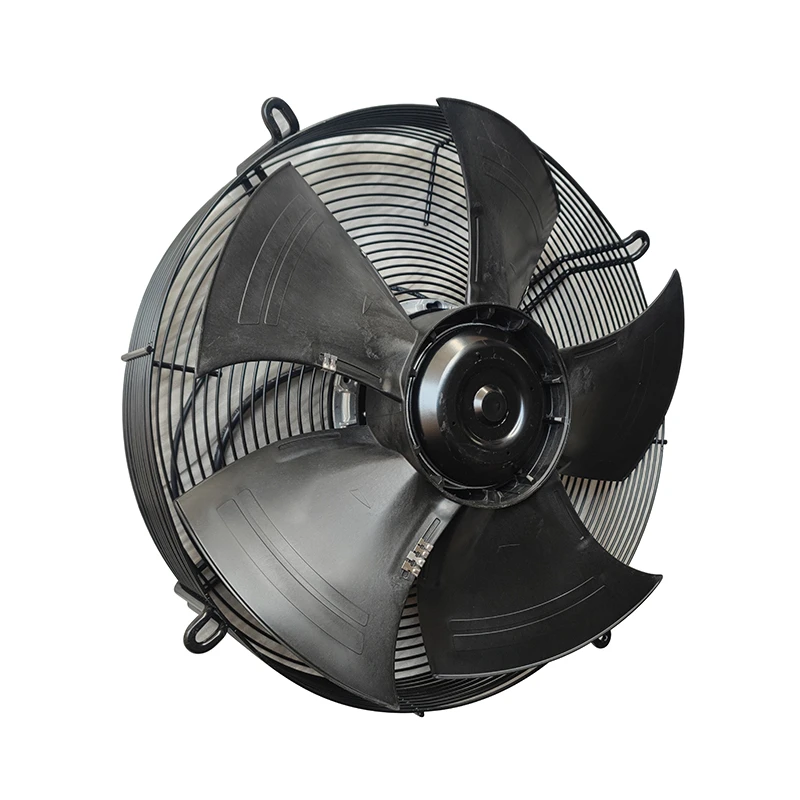
![]() S3G500-8317083519 | ebm-papst 3~380-480V EC Axial Fan for Energy Storage Cooling Aimed at Energy Storage Cooling, the ebm-papst S3G500-8317083519 is a 380-480V EC axial fan, with a focus on 500 mm dimensions for installation planning. This enables specification-led selection. |
3`380-480 | 500 | - | - | - | - | - | |
S3G500-ZQ12-90 | ebm-papst 400V 1950W EC Axial Fan for Energy Storage Cooling Configured for Energy Storage Cooling, ebm-papst S3G500-ZQ12-90 is a 400 V EC axial fan, centered on a listed pressure capability of 500 Pa. The value helps verify equipment fit. Its documented data supports integration planning. |
400 | 500 | 12620 | 500 | 1950 | 1870 | 81 | |
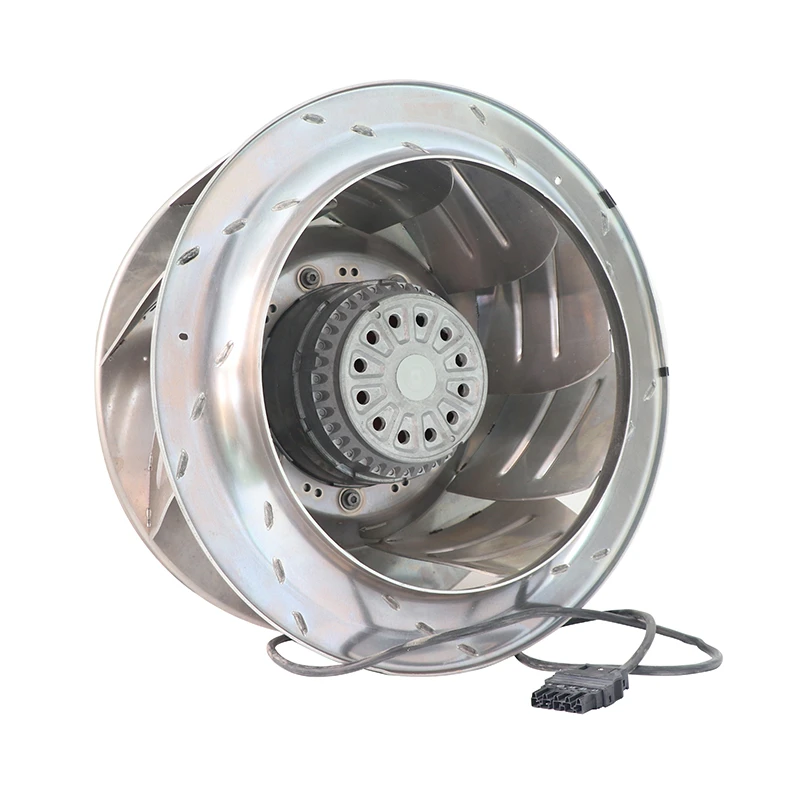
![]() R4E310-AP11-09/F01 | ebm-papst 230V 160W Centrifugal Fan for New Energy Used in New Energy, the ebm-papst R4E310-AP11-09/F01 is a 230 V AC backward-curved centrifugal fan, whose supplied data highlights a listed pressure capability of 290.7 Pa. The rating aids system-fit checks. |
230 | 310 | 2370 | 290.7 | 160 | 1580 | - | |
![]() R4E310-AP11-09 | ebm-papst 230V 115W Centrifugal Fan for New Energy Configured for New Energy, the ebm-papst R4E310-AP11-09 is a 230 V AC backward-curved centrifugal fan, characterized by a documented speed of 1,390 rpm. This helps guide installation planning. |
230 | 310 | 2085 | 220 | 115 | 1390 | - | |
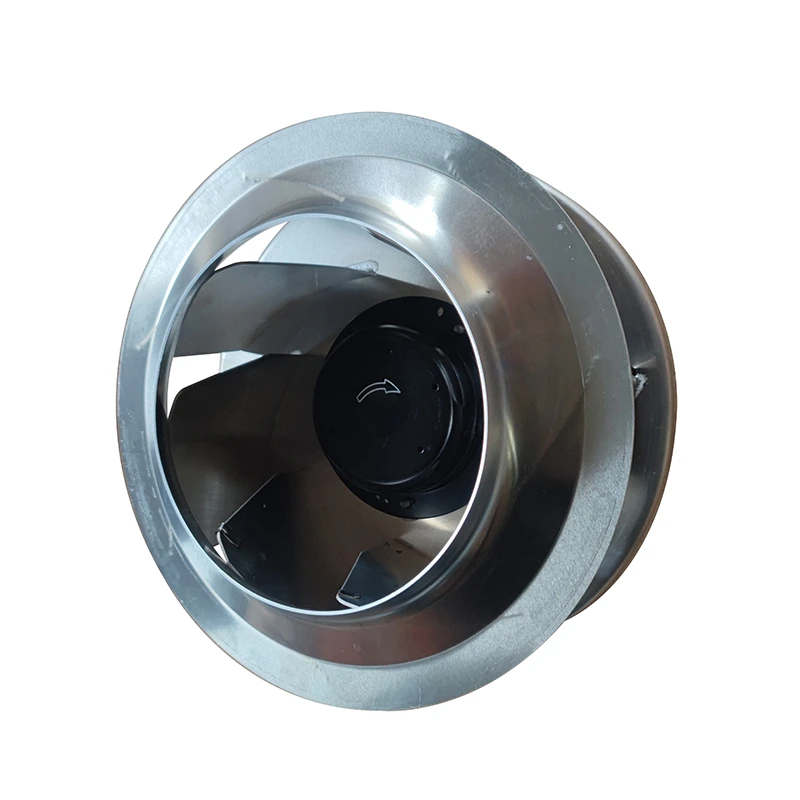
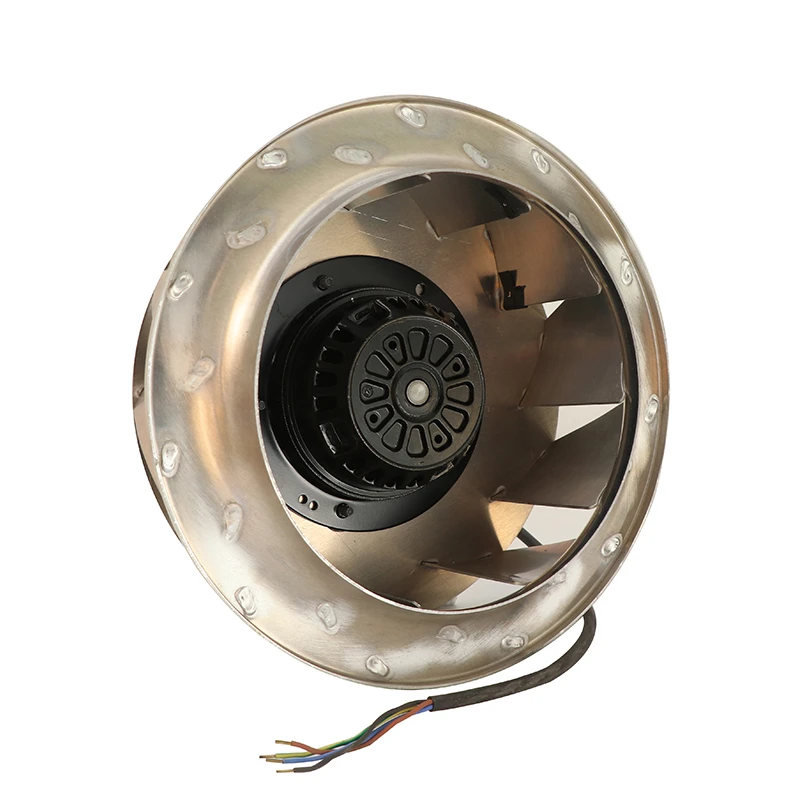
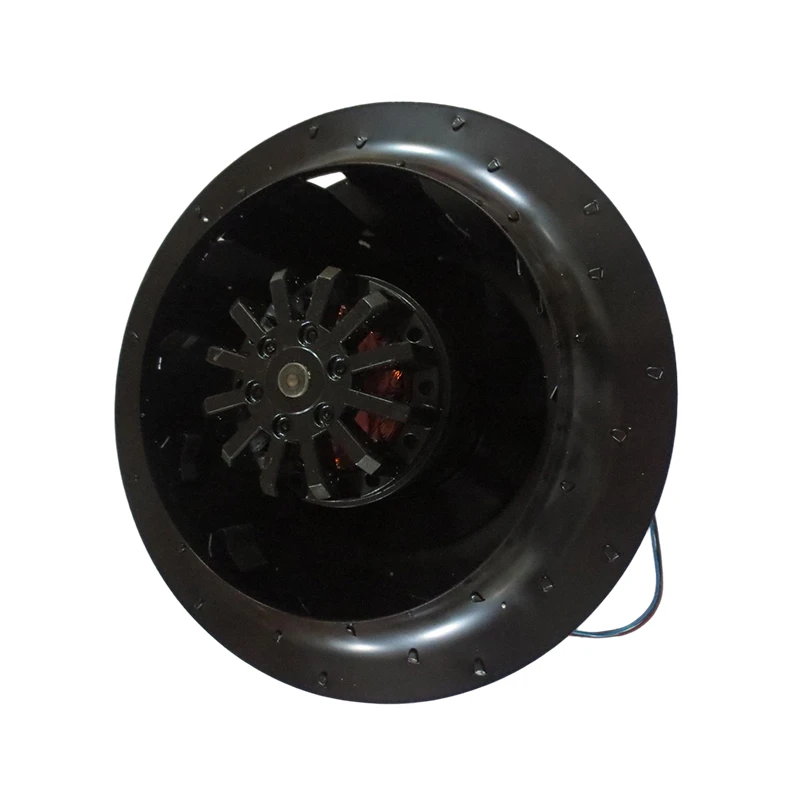
![]() R4D500-FA03-01 | ebm-papst 480V 2100W Centrifugal Fan for New Energy Suited to New Energy, the ebm-papst R4D500-FA03-01 is a 480 V AC backward-curved centrifugal fan, with a focus on a listed airflow of 12,830 m³/h. It gives engineers a clear comparison point. |
480 | 400 | 12830 | 700 | 2100 | 1640 | 72 | |
![]() R4D500-AT03-08 | ebm-papst 400V 1430W Centrifugal Fan for New Energy Configured for New Energy, the ebm-papst R4D500-AT03-08 is a 400 V AC backward-curved centrifugal fan, defined by a documented speed of 1,375 rpm. This helps guide installation planning. |
400 | 500 | - | - | 1430 | 1375 | - | |
![]() R3G400-FJ75-01 | ebm-papst 3~380-480V 1500W Centrifugal Fan for New Energy Suited to New Energy, ebm-papst R3G400-FJ75-01 is a 380-480V EC backward-curved centrifugal fan, with a listed pressure capability of 800 Pa. The rating aids system-fit checks. Its documented data supports integration planning. |
3`380-480 | 400 | 8625 | 800 | 1500 | 2190 | 67 | |
![]() R3G560-FA28-03 | ebm-papst 3~380-480V 3950W Centrifugal Fan for New Energy Intended for New Energy, the ebm-papst R3G560-FA28-03 is a 380-480V EC backward-curved centrifugal fan, centered on a listed airflow of 18,535 m³/h. This helps guide installation planning. |
3`380-480 | 560 | 18535 | 1050 | 3950 | 1900 | 72 | |
![]() R3G500-FA28-03 | ebm-papst 3~380-480V 2850W Centrifugal Fan for New Energy Selected for New Energy, the ebm-papst R3G500-FA28-03 is a 380-480V EC backward-curved centrifugal fan, distinguished by a listed pressure capability of 794 Pa. It provides a practical sizing reference. |
3`380-480 | 500 | 8715 | 794 | 2850 | 1900 | 92 | |
![]() R3G355-AI56-01 | ebm-papst 3~380-480V 950W Centrifugal Fan for New Energy Intended for New Energy, the ebm-papst R3G355-AI56-01 is a 380-480V EC backward-curved centrifugal fan, whose supplied data highlights a listed airflow of 4,745 m³/h. The rating aids system-fit checks. |
3`380-480 | 355 | 4745 | 775 | 950 | 2200 | 73 | |
![]() R3G280-AU11-C1 | ebm-papst 3~380-480V 260W Centrifugal Fan for New Energy Engineered around New Energy, the ebm-papst R3G280-AU11-C1 is a 380-480V EC backward-curved centrifugal fan, offering a listed airflow of 5,015 m³/h. This enables specification-led selection. |
3`380-480 | 280 | 5015 | 95 | 260 | 1390 | - | |
![]() R2E270-AA01-05 | ebm-papst 230V 280W Centrifugal Fan for New Energy Aimed at New Energy, ebm-papst R2E270-AA01-05 is a 230 V AC forward-curved centrifugal fan, noted for a documented speed of 2,750 rpm. It supports replacement and design review. Its documented data supports integration planning. |
230 | 270 | 2435 | 450 | 280 | 2750 | 80 | |
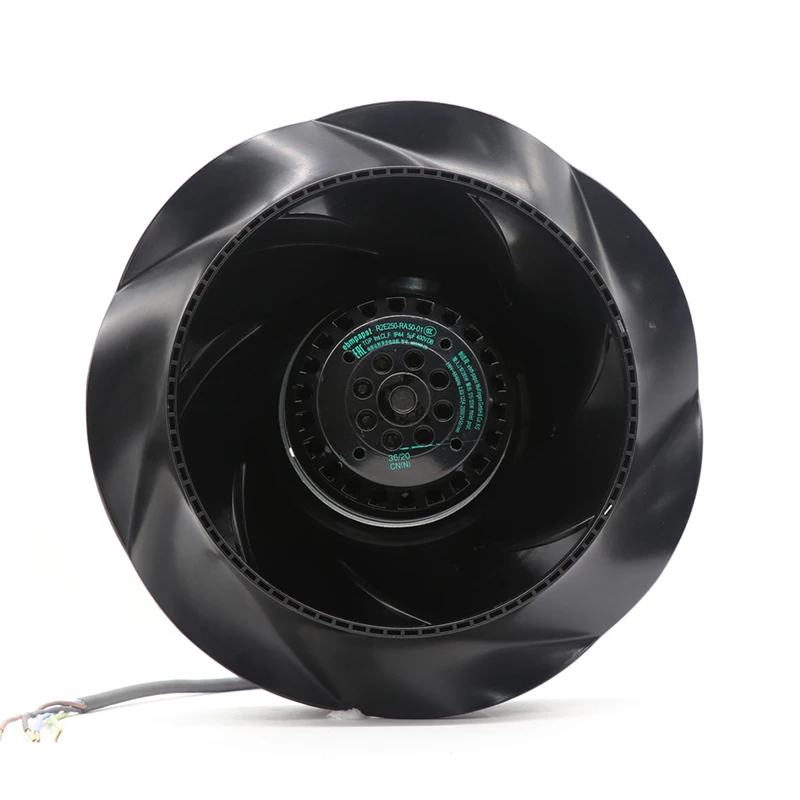
![]() R2E250-RA50-01 | ebm-papst 230V 210W Centrifugal Fan for New Energy Built for New Energy, the ebm-papst R2E250-RA50-01 is a 230 V AC forward-curved centrifugal fan, characterized by a listed acoustic value of 58 dB. The data helps compare K-series variants. |
230 | 250 | 1425 | 500 | 210 | 2650 | 58 | |
![]() R2E250-AL05-16 | ebm-papst 230V 310W Centrifugal Fan for New Energy Aimed at New Energy, the ebm-papst R2E250-AL05-16 is a 230 V AC forward-curved centrifugal fan, whose supplied data highlights a documented speed of 3,000 rpm. It provides a practical sizing reference. |
230 | 250 | 1670 | 500 | 310 | 3000 | - |
The most reliable way to specify new Energy is to work from the system, not from the catalog. Measure or calculate the airflow and pressure demand first, add the dimensional limits of the mounting position, and only then shortlist series whose curves cover your operating point with margin.
Electrical matching is the next gate. Confirm the supply voltage — 12 V, 24 V or 48 V DC for compact electronics cooling, 115 V or 230 V AC for equipment and panel cooling — and decide whether you need speed control. EC models accept PWM or 0-10 V signals and report speed through a tachometer output, which makes them the default choice for variable-airflow systems, while AC units remain a cost-effective answer for fixed-speed duty.
Then filter by environment. High ambient temperature, dust or moisture loads dictate the IP rating and bearing choice — ball bearings keep airflow and noise stable over years, while sleeve bearings suit light-duty horizontal mounting. Regulatory needs such as UL, CE and RoHS recognition should be confirmed before the shortlist goes to purchasing, together with a maximum allowed sound pressure level in dBA.
End the process by checking supply, not just specification: confirm current stock, the lead time for follow-up quantities, and obtain datasheets and dimension drawings so the mechanical interface is verified before the PO. Send us your airflow and pressure requirements and our engineers will confirm the best-matched series — 1,080 products are available in this category today.
The daily work of our sales engineers is built around new Energy used in data center cooling, refrigeration and cold chain projects, building ventilation, telecom base stations, medical devices and industrial control cabinets — environments where a stopped fan is a stopped business process. That daily exposure to real installations is exactly what we bring back into every selection: not just reading curves, but knowing which models survive dust, heat, continuous duty and restricted service access.
A typical case: an equipment builder needed to replace an aging AC fan inside a control cabinet that could not be taken offline for more than an hour. By cross-referencing the frame dimensions, voltage and airflow curve, we supplied a current-series drop-in replacement with a matching tachometer signal, and the swap was completed during a scheduled maintenance window.
Refrigeration and cold chain customers bring us another pattern: the failed condenser fan is unavailable for weeks. Comparing diameter, speed, bearings and IP rating, we supply a functionally equivalent unit from stock so the system returns to duty the same week — the reason many service companies keep our contact number on file.
From one-piece emergency replacements to volume supply for equipment manufacturers, every enquiry is handled by the same rule: verify the parameters first, then quote — so what arrives on site is the fan the project actually needs.
Single-piece orders and samples are welcome — many customers validate one unit in their system before committing to volume. There is no minimum order quantity for standard stock models, and the sample price is deducted from the bulk order in most repeat purchases. Tell us the quantity you plan to use and we will quote both scenarios.
Yes. Beyond catalogue models we can discuss modified lead wires, connectors, speed curves, IP upgrades or private-label packaging for OEM projects. Customization usually starts from a defined annual quantity; our engineers will review your requirement and confirm feasibility, tooling cost and lead time before any commitment.
Every unit is covered by the manufacturer's warranty against defects in materials and workmanship, and we support you through the whole claim process so you deal with one supplier instead of chasing a factory overseas. If a failure appears in service, send us the serial number, operating conditions and photos, and we will arrange the replacement or credit path agreed in the quotation.
Bag
Bag packaging indicates that a specified quantity of product is packaged by the manufacturer in a bag, sealed pouch, or similar container and sold as a unit without repackaging. It is also used to describe kits/assortments where components are packaged in separate bags according to part number or parametric value, rather than in a compartmentalized box or similar rigid container.